
Why Study Human Origins? A Journey Into Our Past
Where do we come from, and how did we become who we are today? These are big questions that many of us wonder about. Whether we look for answers through faith, science, or both, our curiosity to understand our beginnings brings us together. Studying human evolution is a way to look at these questions using science. It helps us explore who we are, what we have in common, and what our future might look like. If you’re unsure or maybe skeptical—especially if you come from a faith background—let’s take a look at why learning about human evolution can be both fascinating and meaningful.





What Is Human Evolution?
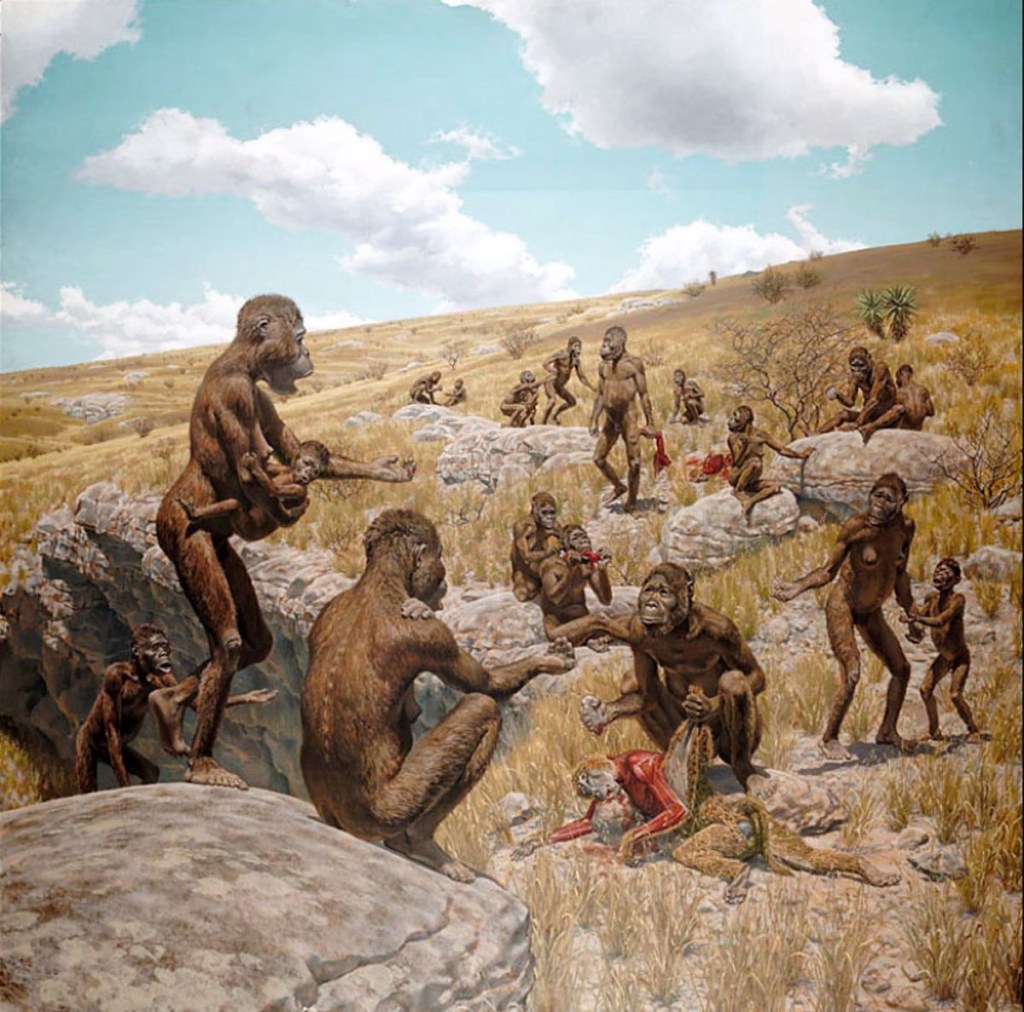
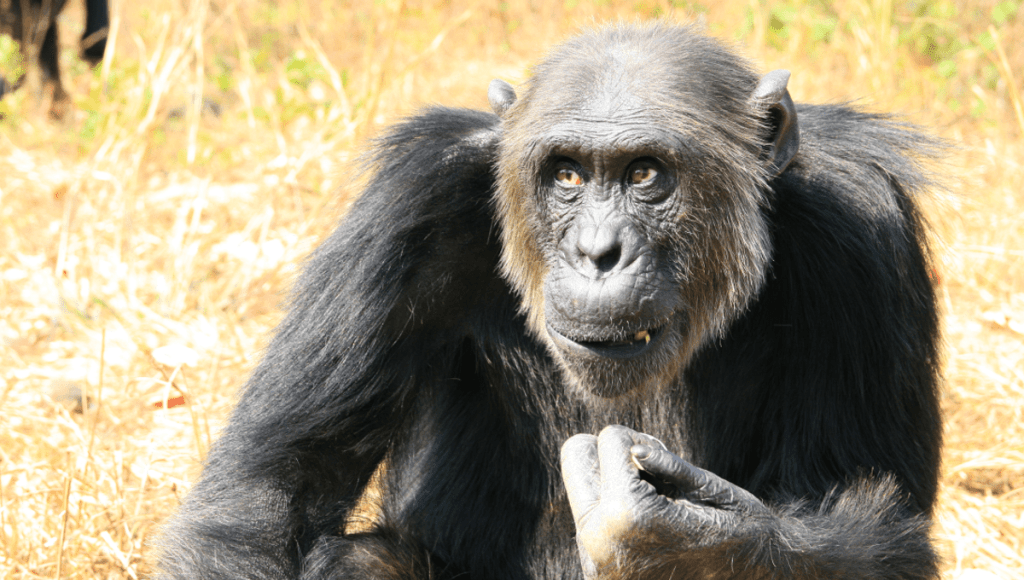
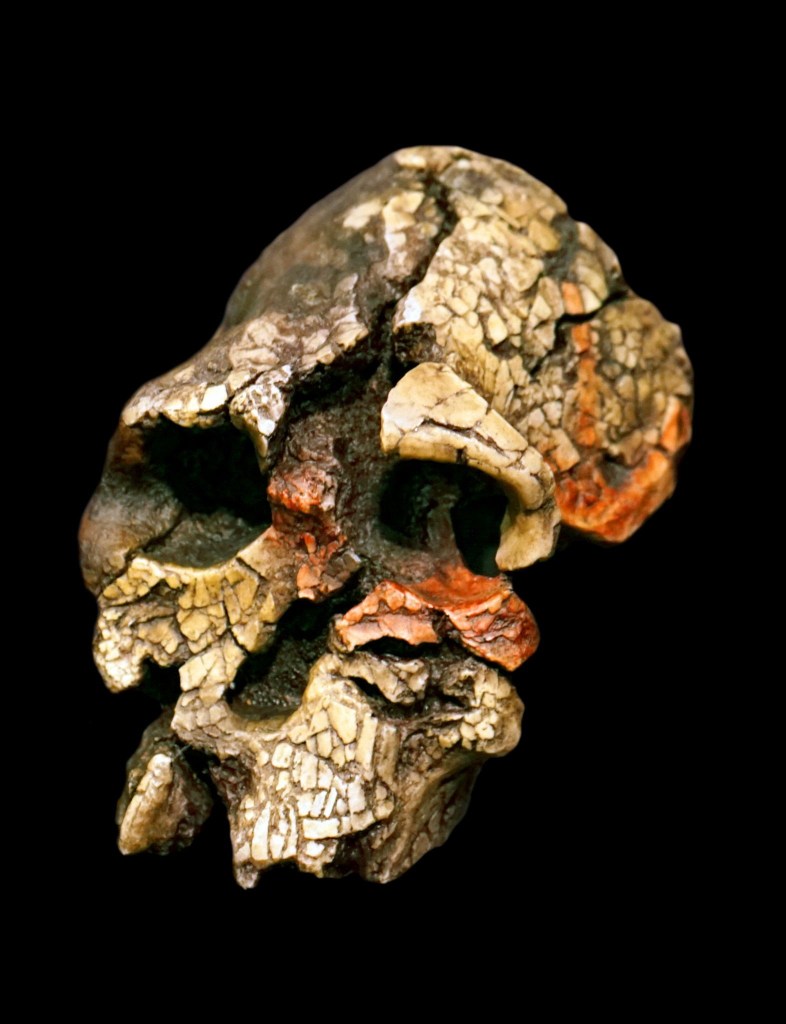
Human evolution is the scientific study of how humans, or Homo sapiens, developed over millions of years. Scientists use fossils, ancient tools, and DNA to piece together the story of our ancestors. It’s like looking at an old family album, except instead of photos, we have bones and artifacts that tell our story.
This evidence comes from careful research using reliable methods like carbon dating and genetic analysis. These tools help us understand how our ancestors lived, adapted, and eventually became modern humans. By studying human evolution, we learn about where we come from and what connects us as a human family. It shows us how all life is connected and how change has shaped the world we live in.
Why Should We Care About Human Evolution?
Studying human evolution helps us understand what makes us human. Our creativity, ability to work together, and adaptability are all traits shaped by millions of years of evolution. When we explore our past, we see that things like skin color or cultural differences are relatively new. Deep down, we share a lot more than we think.
Modern genetics shows that humans are very similar, with only small differences between us. Knowing this can help break down barriers and help us understand that we are all part of one big human family.
Learning about human evolution also shows us how strong and resilient we are. Our ancestors faced tough environments, dangerous animals, and limited resources. They survived by adapting, inventing new tools, and working together. The skills they developed are the same ones we need today to solve our own problems. Understanding evolution can also teach us about health and help us make better choices for our bodies.
Faith and Science: Working Together
For many people, science and faith can go hand in hand. Studying human evolution doesn’t need to replace religious beliefs; it can add to them. Science often helps us understand “how” things happen, while religion helps us understand “why.” Together, they can give us a better understanding of the world and our place in it.
Learning about evolution can even make us feel more amazed by creation. The complex processes that led to the many forms of life are incredible. Exploring these details doesn’t have to conflict with faith—it can actually deepen our respect for life and the natural world.
The Value of Knowing Our Story
Studying human evolution is about understanding our shared story—a story that connects all of us. It shows us that every person alive today is part of a huge family tree that stretches back millions of years. Knowing this story can help us feel more empathy for each other and see the bigger picture of what it means to be human.
By learning about where we come from, we also gain insight into where we’re going—both as individuals and as a species. Our ancestors survived by working together, creating new things, and adapting to change. These are the same qualities we need today as we face challenges like climate change and limited resources. Learning about human origins isn’t just about the past; it’s about using that knowledge to build a better future and make thoughtful, compassionate choices.
Understanding our origins also helps us create a more educated and open-minded society. Learning about our evolutionary history helps us value science, think critically, and appreciate different cultures. These skills are important for solving today’s problems. A society that understands its shared origins is more likely to value kindness, cooperation, and creativity—things that are key for a fair and strong future.
So, let’s explore our past—not to change what we believe, but to make those beliefs richer, to understand ourselves better, and to come together as one human family. Our story shows us what we can achieve when we understand, adapt, and grow together.
 World of Paleoanthropology
One thought on “How Human Evolution Shapes Our Future”