The author plans to move to Portugal’s Côa Valley to deeply engage with Paleolithic rock art, viewing it as a living expression of human connection and cognition. This journey is about listening to ancient voices and understanding their significance, drawn from a personal and academic commitment to anthropology and human history through modern technologies.
Tag Archives: #AncientArt
Rock Art on Screen: 12 Free Documentaries That Bring the Painted Past to Life
By Seth Chagi for World of Paleoanthropology “We carry the torch of ancient storytellers each time we switch on a screen.” — Stoic reflection after too many late‑night documentary binges Rock art feels simultaneously intimate and cosmic—handprints that whisper I was here across 30,000 years. The internet, bless its algorithmic heart, is brimming with free filmsContinue reading “Rock Art on Screen: 12 Free Documentaries That Bring the Painted Past to Life”
🎨 Secrets in Stone: Colombia’s Amazon Rock Art on the PaleoPost Podcast
New Episode! There are moments in science when the world cracks open just a little—and we get a glimpse into something ancient, powerful, and utterly human. That’s exactly what we’re diving into in the latest episode of the PaleoPost Podcast: “Exploring Colombia’s Ancient Rock Art: Secrets of the Amazon’s Painted Cliffs.” Thousands of vivid redContinue reading “🎨 Secrets in Stone: Colombia’s Amazon Rock Art on the PaleoPost Podcast”
The Lost Canvas of Humanity: What the World Would Look Like If Paleolithic Rock Art Survived
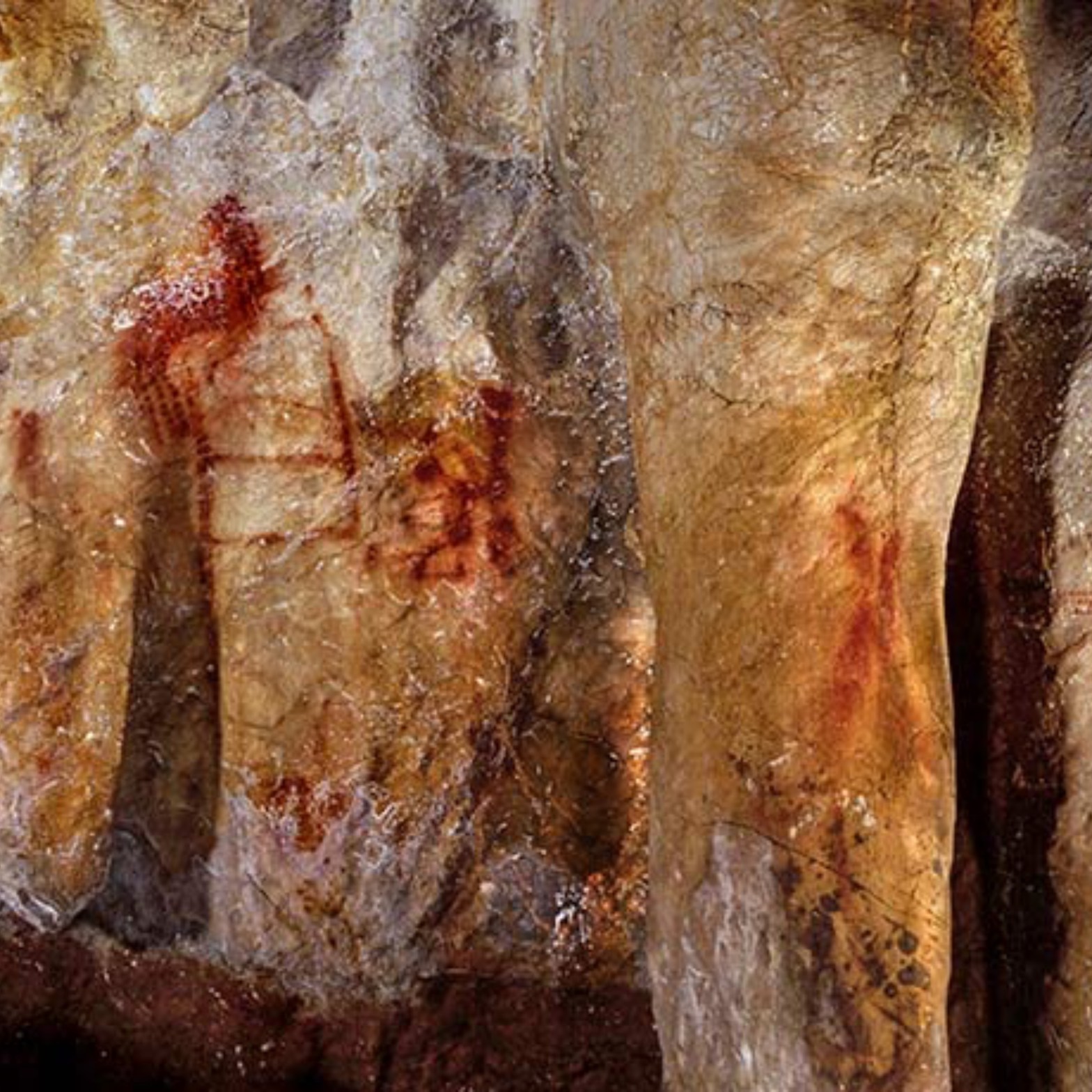
The Paleolithic era likely featured abundant rock art beyond caves, illustrating early human creativity and communication. Unfortunately, much of this open-air artwork has been lost due to weathering and erosion. Remaining sites, like those in the Coa Valley, reveal a glimpse of what once existed, suggesting a vibrant, artistic society. If more had survived, our understanding of prehistoric people would be richer, showcasing art as a vital part of daily life. This loss highlights the transient nature of human expression and its enduring significance despite impermanence.
 World of Paleoanthropology