Hand stencils, created by ancient humans using natural pigments, represent some of the earliest expressions of identity and belonging. These artworks, found in various locations worldwide, highlight the cognitive sophistication of early societies and reflect complex social structures. Evidence suggests that women and children actively participated in creating these stencils, emphasizing cultural transmission and inclusivity. The presence of deliberate details, like missing fingers, indicates a deeper symbolic significance often linked to spirituality. Discoveries of Neanderthal-made stencils challenge previous perceptions of these early humans, showcasing their creative capabilities. Ultimately, handprints serve as a timeless connection to our shared humanity and urge reflection on our desire for recognition and permanence.
Tag Archives: #ArtHistory
Rock Art on Screen: 12 Free Documentaries That Bring the Painted Past to Life
By Seth Chagi for World of Paleoanthropology “We carry the torch of ancient storytellers each time we switch on a screen.” — Stoic reflection after too many late‑night documentary binges Rock art feels simultaneously intimate and cosmic—handprints that whisper I was here across 30,000 years. The internet, bless its algorithmic heart, is brimming with free filmsContinue reading “Rock Art on Screen: 12 Free Documentaries That Bring the Painted Past to Life”
The Lost Canvas of Humanity: What the World Would Look Like If Paleolithic Rock Art Survived
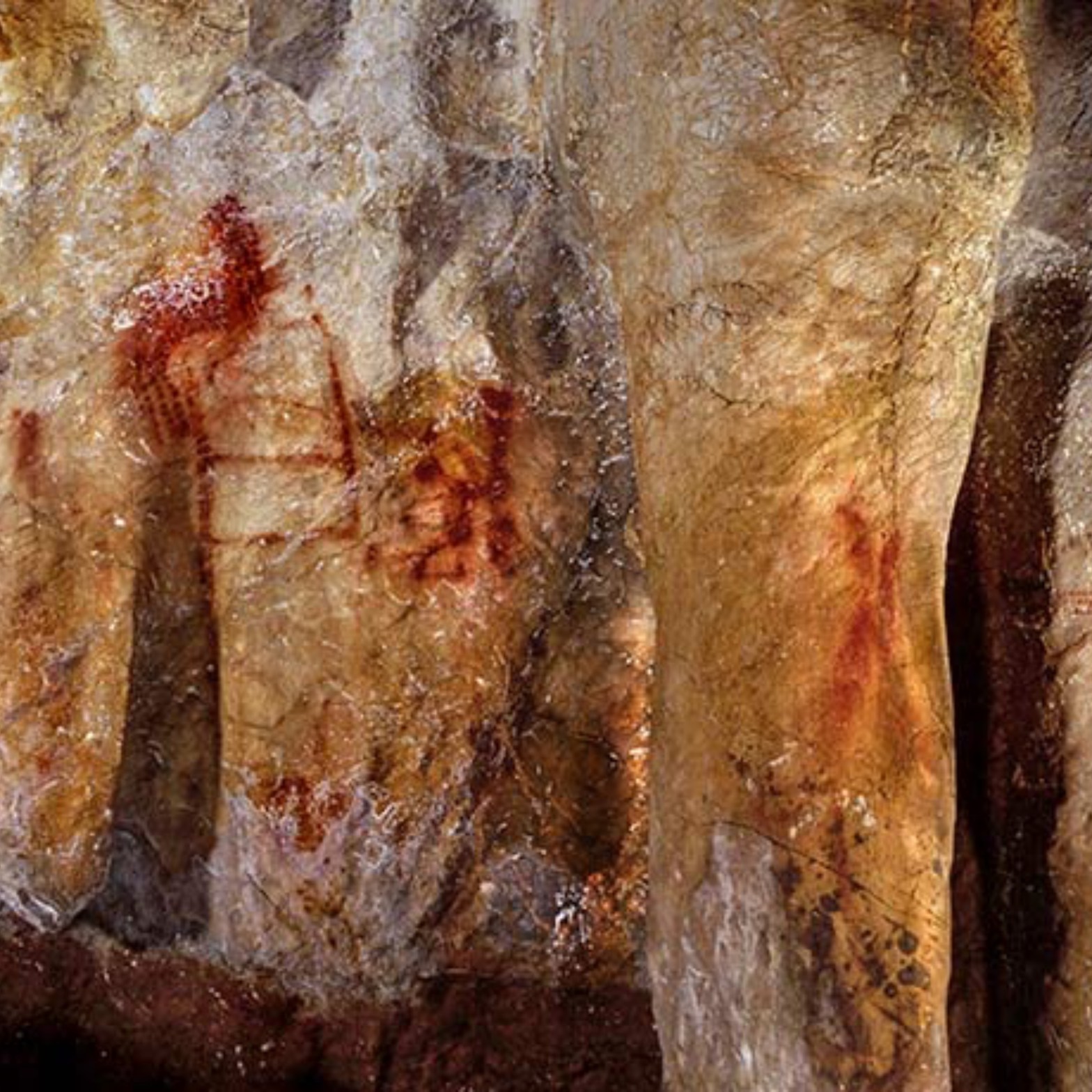
The Paleolithic era likely featured abundant rock art beyond caves, illustrating early human creativity and communication. Unfortunately, much of this open-air artwork has been lost due to weathering and erosion. Remaining sites, like those in the Coa Valley, reveal a glimpse of what once existed, suggesting a vibrant, artistic society. If more had survived, our understanding of prehistoric people would be richer, showcasing art as a vital part of daily life. This loss highlights the transient nature of human expression and its enduring significance despite impermanence.
When did we become Human?

The exploration of what it means to be human reveals a complex evolution marked by gradual adaptations rather than a singular event. Key milestones include bipedalism that freed our hands, the development of tool making, and the mastery of fire, which enhanced cognitive growth. Symbolic thinking is evidenced through art and social structures, not only in Homo sapiens but also in Neanderthals. Our humanity is shaped through ongoing innovation and connections, continually influenced by discoveries that deepen our understanding of our shared past.
 World of Paleoanthropology