Some thigns in Anthropology need to change, such as how we refer to our relatives, genetically, and where we stand amongst the other homininins. The Family Tree must go!
Anthropology is a constantly evolving field. One day, we may feel confident in our understanding of human origins, and the next, a new discovery can turn our knowledge upside down. Each new find not only expands our understanding but also ignites our curiosity, raising more questions than ever before.
Today, let’s focus on a topic that challenges traditional views: the “Human Family Tree.” For centuries, human evolution has been depicted as a tree, with branching stems merging into larger branches, ultimately forming a single, unified trunk. This concept, first described by Charles Darwin in the late 1800s, revolutionized our understanding of humanity’s place in the natural world.
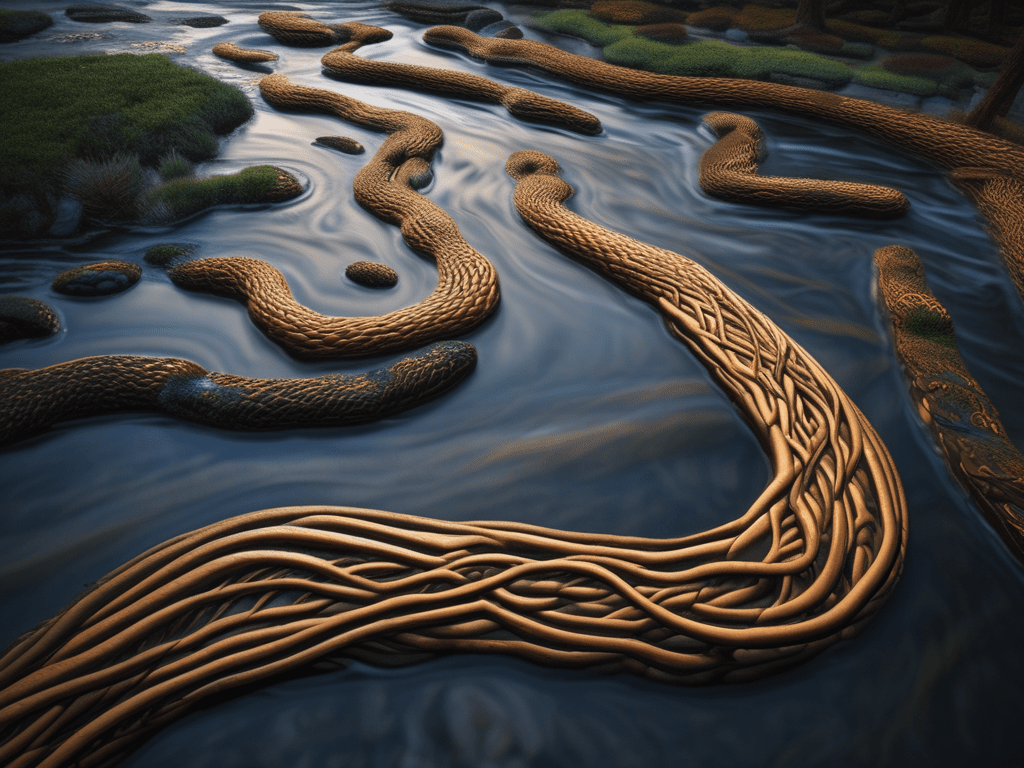
However, recent discoveries have reshaped our perspective. Human evolution is no longer seen as a linear process or even a branching tree. Instead, it resembles a braided stream flowing into an estuary. This model, supported by fossil and genetic evidence, provides a more accurate representation of our evolutionary history.
The Limitations of the Tree Model
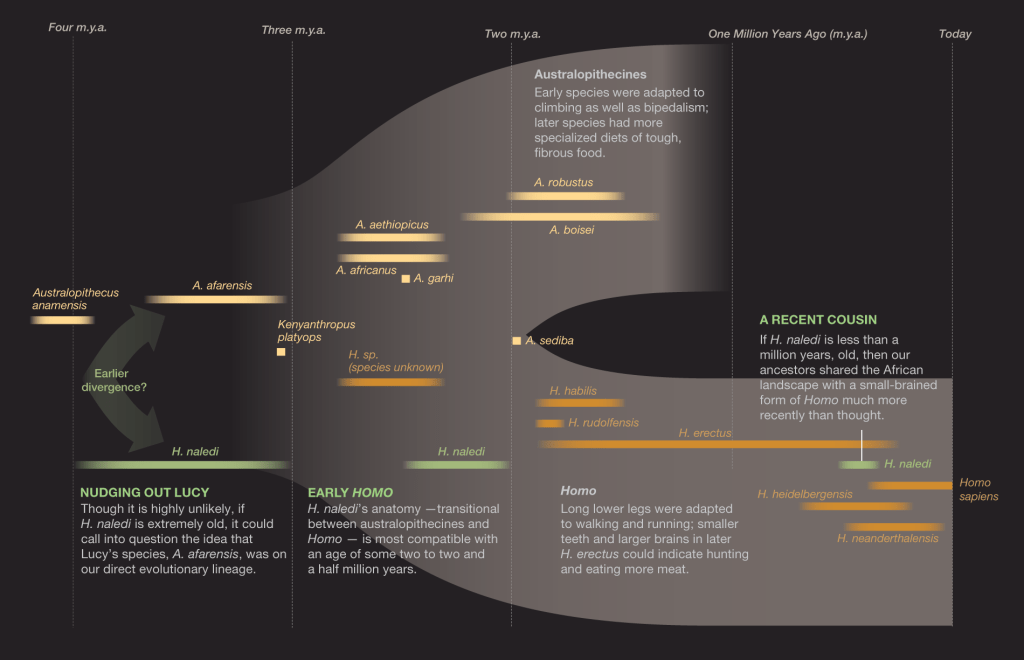
The traditional tree model suggests a straightforward progression from one species to another. For example, it might imply that Australopithecus afarensis evolved directly into Homo habilis, which then evolved into Homo erectus. This linear view oversimplifies the complex and dynamic nature of evolution.
The Braided Stream: A More Accurate Metaphor
The braided stream model offers a more nuanced view of human evolution. It recognizes that multiple hominin species coexisted and interbred, contributing to a rich tapestry of genetic exchange. This model reflects the continuous flow of genes and traits among various hominin populations, akin to the interconnected channels of a braided stream.
Key Points of the Braided Stream Model:
1. Coexistence and Interbreeding: Multiple hominin species lived at the same time, interbreeding and sharing genetic material. This gene flow contributed to the diversity of traits observed in ancient populations.
2. Gradual Changes: Evolution was not a series of abrupt transitions from one species to another. Instead, it involved gradual changes, with species gaining and losing traits over time.
3. Complex Relationships: The relationships between different hominin species were complex and dynamic, shaped by environmental changes and migration patterns.
Why the Braided Stream Model Matters
Understanding human evolution as a braided stream rather than a tree has significant implications for anthropology:
• Greater Accuracy: This model more accurately reflects the fossil and genetic evidence, providing a clearer picture of our evolutionary past.
• Enhanced Understanding: It helps us appreciate the complexity and fluidity of human evolution, highlighting the interconnectedness of different hominin species.
• Educational Value: Teaching this model alongside or instead of the traditional tree model can foster a deeper understanding of evolutionary processes among students.
Embracing the New Paradigm
While the tree model has been a useful metaphor, it’s time to embrace the braided stream as the most accurate representation of hominin evolution. This shift in perspective can enrich our understanding of human origins and inspire future generations of anthropologists.
Your Thoughts
What are your views on the braided stream model of human evolution? Do you still prefer the linear family tree? Why or why not? Share your thoughts in the comments below.


As the original developer of the braided stream model on social media more than ten years ago I think it is a better model than the tree model. Like other models it can be bent to particular views about human evolution.
LikeLiked by 1 person
Wu Xinzhi first proposed the model in the 1990’s and is now deceased. https://beta.capeia.com/paleobiology/2019/09/28/braided-streams-evolutionary-dynamics-among-pleistocene-hominins-in-east-asia-and-the-evolution-of-homo-sapiens
LikeLiked by 1 person