Mother’s Day is an opportunity to pause and reflect deeply on the incredible journey mothers have undertaken throughout human history. In paleoanthropology—the scientific study of ancient humans—we discover that motherhood has profoundly shaped not only individual lives but also the evolution of our species. In celebrating mothers, we honor the essential architects of humanity’s past, present, and future.
The First Mothers: Early Humans and Maternal Influence
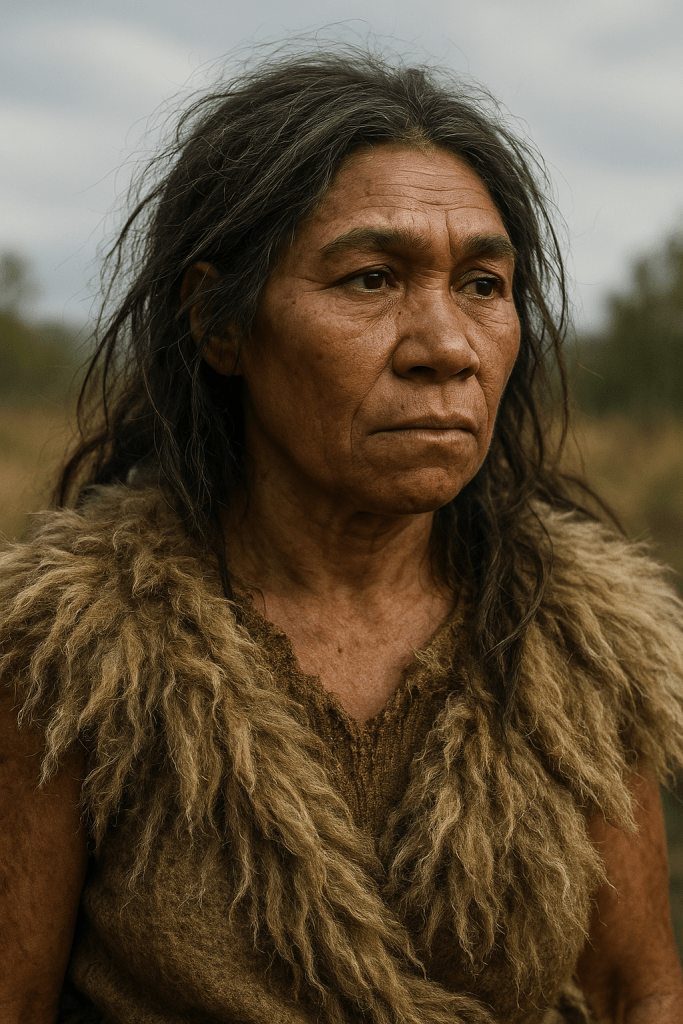
Our story begins millions of years ago, with early hominins like Australopithecus afarensis—famously represented by the fossil “Lucy.” Early human mothers were pivotal for survival, teaching offspring the essential skills needed for foraging, tool use, and navigating complex social landscapes. According to evolutionary anthropologist Sarah Blaffer Hrdy (2009), mothers not only provided nutritional sustenance but were central figures in social learning, transmitting knowledge essential for survival through generations.
Hrdy’s “Mothers and Others” underscores the idea that cooperative breeding—where mothers receive support from the community—allowed early humans to develop greater cognitive capacities and emotional intelligence (Hrdy, 2009). Paleoanthropologists have long recognized that maternal nurturing extended far beyond basic care, encompassing emotional bonding and intricate social skills essential for navigating human relationships.
Maternal Roles in Hunter-Gatherer Societies
Examining contemporary hunter-gatherer societies offers rich insights into ancient maternal roles. Anthropologist Kristen Hawkes developed the “grandmother hypothesis,” highlighting the evolutionary significance of post-menopausal women who significantly increased offspring survival rates by helping care for grandchildren (Hawkes, 2004). Mothers in hunter-gatherer societies leveraged extended family and social networks, a strategy deeply rooted in our evolutionary history.
Research among the Hadza of Tanzania reveals the profound reliance mothers had on communal childcare. Anthropologist Nicholas Blurton-Jones (2016) observed that Hadza mothers expertly balanced the demands of child-rearing and resource gathering, illustrating that successful motherhood has always been a deeply communal and strategic endeavor.
Mothers as Innovators and Cultural Carriers
Anthropological studies suggest that mothers were instrumental in the transmission of culture. In the Upper Paleolithic period, mothers likely played central roles in developing symbolic thought, creating art, and maintaining cultural traditions. The famous “Venus figurines” found across Europe, often interpreted as fertility symbols, reflect the deep reverence for motherhood and its cultural importance (Conkey, 2003).
Margaret Conkey’s research into prehistoric art demonstrates how these artifacts symbolize not only fertility but also motherhood’s social status and cultural power. These figurines, crafted by mothers or honoring mothers, suggest that ancient communities recognized the vital role mothers held in sustaining life and culture.
The Biological and Emotional Foundations of Motherhood
From a biological perspective, mothers have significantly shaped human evolution. Anthropologist Helen Fisher (2004) notes the hormonal and neurological changes associated with motherhood that enhance bonding, empathy, and caregiving—crucial elements that fostered increasingly complex human social structures. The hormone oxytocin, crucial in childbirth and breastfeeding, also reinforces social bonds, underscoring the evolutionary importance of maternal care in human society (Fisher, 2004).
These emotional and biological bonds not only ensured offspring survival but fostered the creation of extensive kinship networks, vital for early human communities facing environmental challenges. Mothers were evolutionary linchpins, connecting generations through a chain of emotional resilience and social cohesion.
Motherhood and Social Complexity
With the advent of agriculture and settled communities, mothers took on even greater social responsibilities. Anthropologist Monica Smith (2019) highlights that motherhood in early agricultural societies demanded multitasking skills, overseeing food production, child-rearing, and maintaining family and community cohesion. These complex social roles allowed mothers to influence profoundly societal organization and resource management.
Archaeological evidence from early settlements in places like Çatalhöyük in modern-day Turkey suggests mothers were key figures in maintaining household economies, managing resources, and sustaining community ties, illustrating the profound sociocultural significance of maternal roles in human history (Hodder, 2006).
Mothers in the Modern Anthropological Lens
Today, paleoanthropologists continue to uncover the depth of mothers’ contributions to human evolution. Studies highlight the continued impact of maternal care strategies on child development, social structures, and cultural transmission. Mothers remain critical to understanding human evolution, offering insights into how our species developed complex social behaviors, empathy, and cooperation.
Honoring Mothers: Reflections for Mother’s Day
Reflecting on the role of mothers throughout human history is humbling. It shows that motherhood has always been more than individual nurturing; it is a cornerstone of our humanity, shaping our biology, cultures, and societies. By recognizing mothers’ profound roles—from Lucy to contemporary mothers—we honor an enduring legacy of strength, innovation, and love that defines human history.
As we celebrate Mother’s Day, let us appreciate mothers not merely for their personal sacrifices but as central figures in the ongoing story of humanity. Each mother connects us back through generations, echoing the deep evolutionary roots of love, care, and social intelligence.
Happy Mother’s Day from the World of Paleoanthropology!
References
Blurton-Jones, N. (2016). Demography and evolutionary ecology of Hadza hunter-gatherers. Cambridge University Press.
Conkey, M. W. (2003). Has Feminism Changed Archaeology? Signs: Journal of Women in Culture and Society, 28(3), 867-880.
Fisher, H. (2004). Why We Love: The Nature and Chemistry of Romantic Love. Henry Holt and Co.
Hawkes, K. (2004). Human longevity: The grandmother effect. Nature, 428(6979), 128-129.
Hodder, I. (2006). The Leopard’s Tale: Revealing the Mysteries of Çatalhöyük. Thames & Hudson.
Hrdy, S. B. (2009). Mothers and Others: The Evolutionary Origins of Mutual Understanding. Harvard University Press.
Smith, M. L. (2019). Cities: The First 6,000 Years. Viking.
 World of Paleoanthropology