Whispers on Stone: Why Paleolithic Rock Art Still Speaks to Us Today

(And why I’m moving halfway across the world to listen)

In the Glow of Firelight

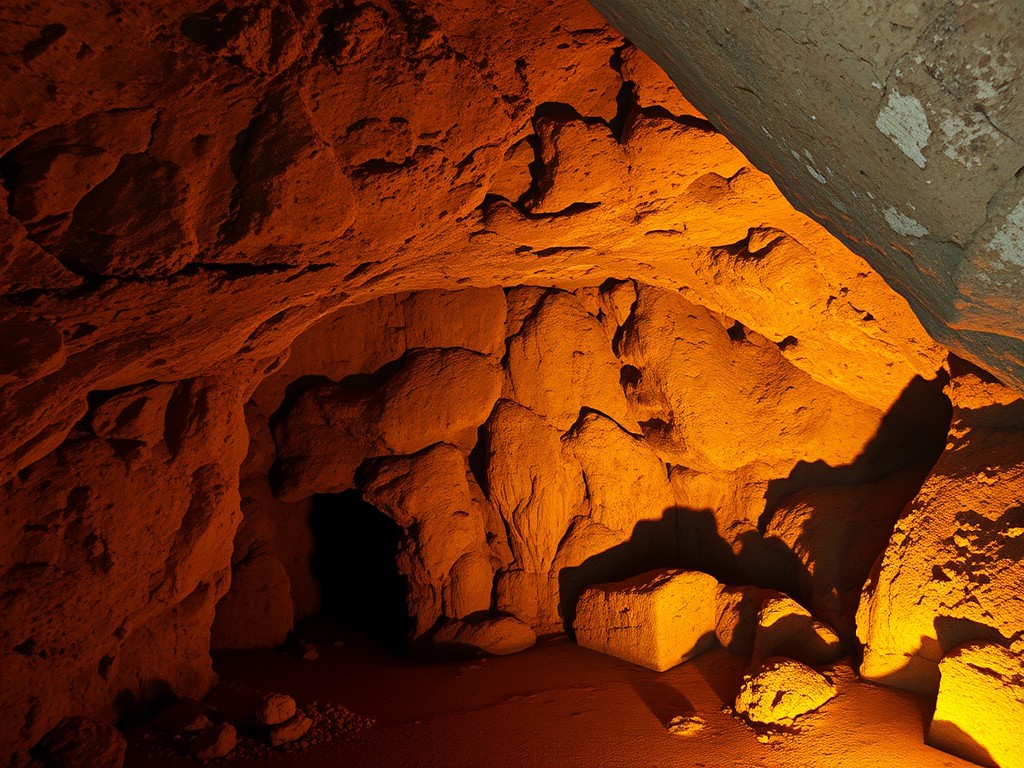
Night in the Paleolithic. Firelight flickers along the limestone walls of a shelter, casting movement across the contours of a horse etched in stone, its musculature defined by the shifting interplay of shadow and flame. Beside it, an aurochs emerges, its horn arcing like a crescent moon across the rock face. These are not merely pictures — they are echoes. Echoes of the earliest human voices, carved into stone, suspended in time yet pulsing with presence.

Soon, I’ll be in Portugal’s Côa Valley, where these voices still speak. I’m not going to analyze them from behind glass — I’m going to listen. To stand among the engravings not as a distant observer, but as a human being among ancestors.

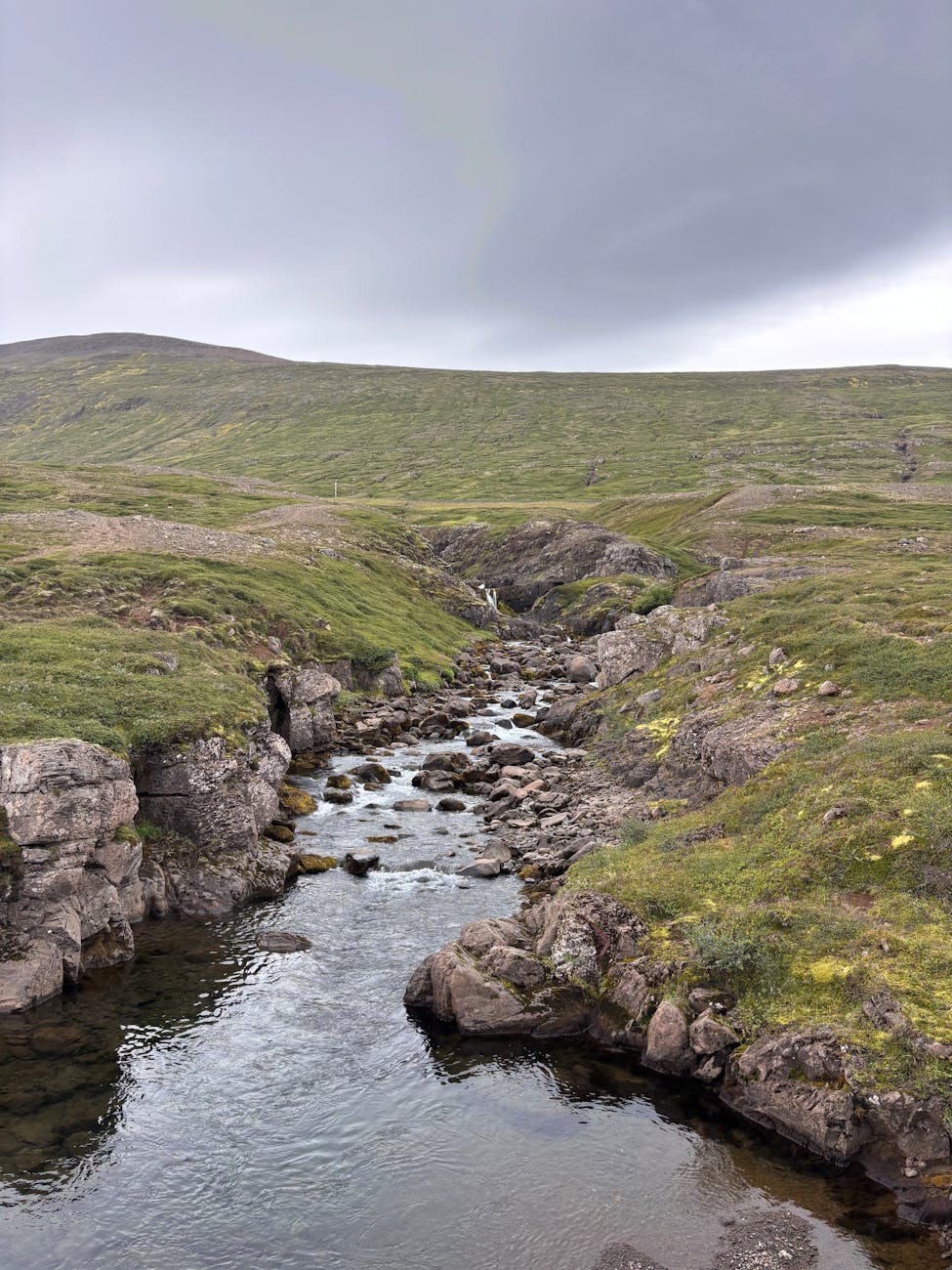
Photo by Stijn Nuttin on Pexels.com

1. The Meaning Behind the Marks

Paleolithic rock art represents one of the earliest and most profound expressions of symbolic thought — a leap in human cognition. With engraved ochre from South Africa’s Blombos Cave dating back over 70,000 years (Henshilwood et al., 2002), we know that abstract expression emerged long before the rise of cities, agriculture, or writing.

These are not decorative flourishes. They are tools of memory, myth, and meaning. They express a need to communicate not only information but emotion, connection, and transformation. The subjects — animals, births, shamanic figures — appear across continents, hinting at a shared symbolic heritage stretching deep into our past.

For me, as someone rooted in anthropology, humanism, Stoic practice, and Nordic animism, these works are not static. They are alive — like songs or rituals — recalled, repeated, and reinterpreted. In an animistic worldview, these are not merely depictions of animals; they are animals. Beings. Spirits. Ancestors. Teachers.

This isn’t a metaphor. It’s a relationship — and one we are called to reawaken.

2. Why Portugal Matters

Portugal is home to one of the richest yet least globally recognized concentrations of Paleolithic rock art. The Côa Valley Archaeological Park contains over a thousand open-air engraved panels dating to the Upper Paleolithic. Unlike the cave paintings of Lascaux or Chauvet, these works are exposed to sun, wind, and rain — and still endure.

The Iberian Peninsula served as a glacial refugium during the Last Glacial Maximum (Carvalho, 2010), making it a stronghold for both human populations and artistic traditions. This continuity created a remarkably layered archive of expression.

Portuguese engravings differ in form and technique. They are etched, pecked, or abraded — their visibility shaped by natural light, weather, and time of day. Panels from sites like Mazouco and Fariseu often show overlapping generations of carvings, creating palimpsests that reflect a dialogue across centuries. The art isn’t only about what was carved — it’s about where, when, and how it was meant to be experienced.

In Côa, the land remembers.

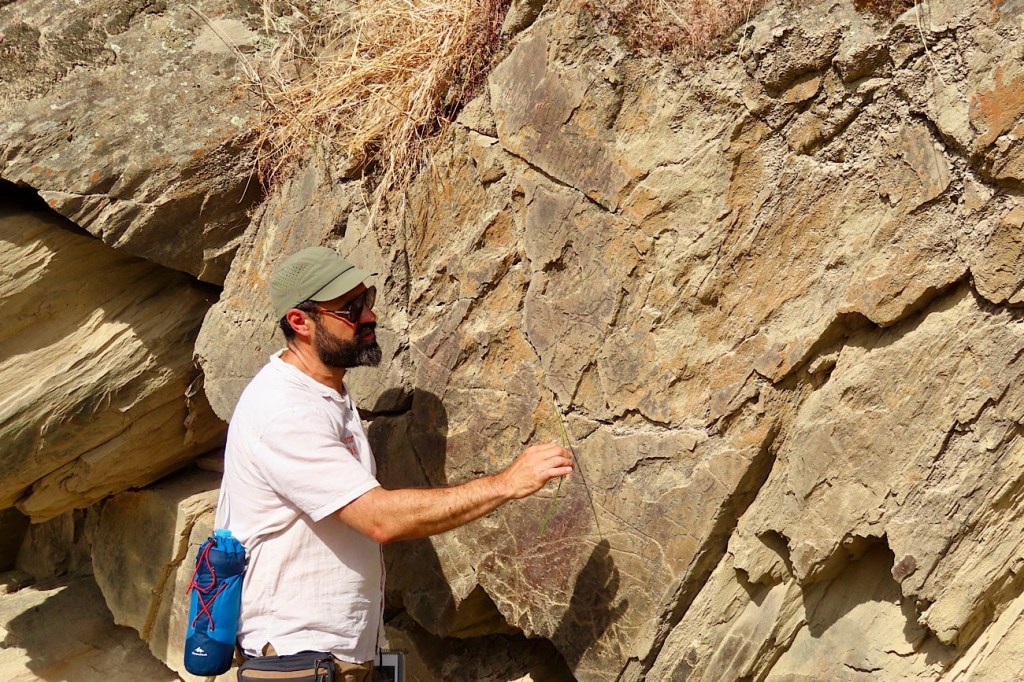
Photo by Symeon Ekizoglou on Pexels.com

3. My Path to Deep History

I grew up in California, captivated not by the landscapes around me, but by what lay across the Atlantic — the caves and shelters of Europe adorned with ancient marks. My first experiences with rock art were through books and digital reconstructions of sites like Chauvet and Altamira. Over time, I also gained exposure to Native American petroglyphs, developing a respectful and ongoing appreciation for their cultural significance.

Today, I’m pursuing my degree in anthropology at Arizona State University’s online program, with a focus on human origins and cognition. This academic path is deeply intertwined with personal philosophies — Stoic resilience, animistic reverence, and a humanistic commitment to empathy and understanding.

For me, studying Paleolithic art is not just academic. It’s personal. These marks challenge how I see the human story — not as a linear march of progress, but as a branching, spiraling chorus of memory, meaning, and imagination.

Moving to Portugal is a commitment. It’s a pilgrimage to the places where the first artists spoke, not in words, but in form and gesture. I want to be there — to learn not just with my mind, but with my whole being.

4. New Tools for Old Stories

The study of rock art has evolved beyond field sketches and measuring tapes. We now use digital tools and interdisciplinary techniques to uncover layers once invisible:

  • 3D scanning and photogrammetry capture high-resolution digital models of rock surfaces, preserving them and allowing detailed study without physical contact (Domingo et al., 2015).
  • AI and machine learning help identify stylistic groupings, iconographic themes, and even possible artist signatures by comparing motifs across thousands of images.
  • Portable XRF (X-ray fluorescence) offers non-invasive chemical analysis, revealing what tools or pigments were used — even where color is no longer visible.
  • GIS mapping places rock art in spatial context, revealing patterns in site placement, resource proximity, and astronomical alignments.

These technologies are not replacements for wonder — they are tools for amplifying it. They let us see what previous generations could only guess, and connect sites across time and space in new ways.

5. Why This Still Matters

We live in an era of distraction, where meaning is often commodified or fleeting. Paleolithic art reminds us of something deeper: that the urge to create, to symbolize, to remember, is foundational to being human.

These engravings are not idle doodles. They are necessities. They anchored social bonds, encoded cosmologies, trained memory, and marked place. They testify that survival alone is not enough — we need connection, story, and a sense of the sacred.

In our own time of ecological and existential crisis, these ancient marks offer a mirror. They invite us to slow down, observe, and listen. They show us that humanity has always sought to navigate uncertainty through imagination and shared symbols.

Interpretation requires humility. As Conkey (1997) reminds us, we may never truly know the minds behind these images. But listening itself is an act of reverence.

Listening to the Stones

When I arrive in Portugal, I won’t walk into a sterile lab or academic echo chamber. I’ll step into a valley sculpted by wind and river, by time and memory. I’ll stand where ancient artists once stood, tracing forms they carved by firelight.

They did not carve for us. But they carved with the hope, perhaps, that someone would follow. That someone would see. That someone would remember.

So that is what I intend to do: not to speak for them, but to listen.

Screenshot

References

Aubry, T., & Sampaio, J. D. (2008). Antiquity, 82(315), 1024–1037. https://doi.org/10.1017/S0003598X00097802

Carvalho, A. F. (2010). Quaternary International, 223–224, 254–272. https://doi.org/10.1016/j.quaint.2010.02.011

Conkey, M. W. (1997). In L. Hager (Ed.), Women in Human Evolution (pp. 172–207). Routledge.

Domingo, I., Villaverde, V., López-Montalvo, E., de la Cruz, M., & Martínez-Vidal, A. (2015). Journal of Archaeological Science, 55, 53–63. https://doi.org/10.1016/j.jas.2014.12.010

Henshilwood, C. S., d’Errico, F., Yates, R., Jacobs, Z., Tribolo, C., Duller, G. A. T., Mercier, N., Sealy, J. C., Valladas, H., Watts, I., & Wintle, A. G. (2002). Science, 295(5558), 1278–1280. https://doi.org/10.1126/science.1067575

Lewis-Williams, D. (2002). The Mind in the Cave: Consciousness and the Origins of Art. Thames & Hudson.

The Imperative of Science Communication in the Modern Era

In today’s rapidly evolving landscape, science communication—often referred to as “SciComm”—is more critical than ever. Recent history underscores the urgency of effectively communicating scientific knowledge, especially in the face of challenges such as aggressive federal funding cuts to science under the Trump administration, persistent attacks on researchers, and a challenging atmosphere for early-career scientists. As researchers encounter heightened scrutiny and diminished support, many have sought opportunities abroad, resulting in a brain drain that threatens America’s status as a global leader in scientific innovation and literacy.

Understanding this broader context emphasizes why science communication isn’t merely beneficial—it’s essential. SciComm acts as a crucial bridge linking laboratory and field research with public policy, education, and everyday decision-making. Without effective communication, groundbreaking discoveries remain inaccessible and misunderstood, policies become misinformed, and society collectively suffers from stagnation in progress.

The Critical Roles of Science Communication

Science communication serves multiple fundamental functions within society:

1. Informing Policy Making

Policy decisions profoundly shape our society, from climate change initiatives to public health policies. Effective SciComm ensures decision-makers have accurate, accessible, and timely scientific information. Conversely, misinformation can lead to poor policy outcomes, such as inadequate responses to climate crises or ineffective health initiatives.

2. Ensuring Public Health and Safety

The COVID-19 pandemic dramatically highlighted the necessity of clear, effective science communication. Public health messages must distill complex epidemiological concepts into actionable guidelines. Miscommunication and misinformation resulted in vaccine hesitancy, skepticism about public health measures, and preventable illnesses and fatalities.

3. Promoting Democratic Engagement

Informed citizens make better decisions. By understanding science, the public can meaningfully participate in democratic processes, hold leaders accountable, and advocate effectively for science-based policies.

4. Fostering Innovation and Economic Growth

Scientific advancements fuel economic growth. Clear communication enables society to recognize the value of investing in research and development, fostering a culture of innovation essential for economic prosperity.

Navigating Contemporary Challenges

The policies under the Trump administration resulted in significant setbacks for science. Budget cuts, censorship of scientific data, and political undermining severely damaged America’s scientific ecosystem. Early-career scientists were particularly vulnerable, caught between their passion for discovery and an uncertain professional future.

Consequently, many relocated to countries more supportive of scientific endeavors. Nations like Canada, Germany, and China actively attracted American-trained talent, recognizing that investing in science and researchers directly translates to economic and intellectual strength.

Sustaining America’s Leadership in Scientific Literacy

Historically, the U.S. has positioned itself as a leader in science, yet this status is fragile without sustained effort, funding, and societal support. Maintaining leadership requires:

  • Consistent and adequate funding for scientific research and education.
  • Protection and support for early-career researchers.
  • Open, transparent communication about the value and outcomes of scientific research.

Improving the Effectiveness of Science Communication

To effectively communicate science, especially in polarized environments, SciComm practitioners must:

  1. Use Clear, Accessible Language: Complexity must never overshadow clarity. Simplifying jargon helps broader audiences grasp essential concepts.
  2. Harness Storytelling Techniques: Humans naturally resonate with stories. Framing science through compelling narratives can engage audiences emotionally and intellectually.
  3. Leverage Digital Media: Platforms like YouTube, Instagram, and TikTok democratize information access. Short, engaging content or visually appealing graphics greatly enhance reach and retention.
  4. Encourage Dialogue: Science communication should foster questions, debate, and discussion rather than dictating knowledge from a position of presumed authority.
  5. Build Trust: Transparency, consistency, and honesty form the foundation of effective communication, creating trust between scientists and the public.

Communicating Human Evolution with Sensitivity to Religious Beliefs

Human evolution remains a sensitive topic in many communities where religious beliefs conflict with evolutionary science. Effective SciComm in paleoanthropology demands nuanced approaches:

  • Respectful Engagement: Recognize the personal and cultural significance of religious beliefs without disparagement. Dialogue rather than debate creates respectful learning environments.
  • Highlight Shared Values: Emphasizing universal human values such as curiosity, discovery, and knowledge bridges ideological divides.
  • Identify Common Ground: Evolutionary science and religious beliefs often intersect positively on ethical considerations, community building, and appreciation of life’s complexity.
  • Amplify Diverse Voices: Engaging communicators from varied cultural and religious backgrounds offers relatable perspectives, breaking down misconceptions.

Building Social Cohesion Through Science

Science communication doesn’t merely educate; it unites. By promoting literacy and appreciation of the natural world, SciComm fosters social cohesion rooted in evidence-based thinking. Encouraging scientific literacy at every societal level—schools, community programs, and media—enhances collective decision-making, reduces polarization, and promotes harmony.

Educational initiatives should emphasize critical thinking and scientific reasoning, enabling individuals to assess information critically and challenge misinformation. Literacy programs must directly address scientific misinformation, equipping communities with practical tools to identify and counter false claims.

Looking Ahead: Education, Literacy, and Understanding

A robust commitment to education and literacy is the cornerstone of effective science communication. Educational systems must incorporate rigorous, inclusive, and up-to-date science curricula. Prioritizing STEM education from early childhood through adulthood significantly shapes societal perspectives, fostering respect for evidence-based knowledge.

Moreover, understanding the natural world must extend beyond classrooms. Community engagement via citizen science projects, public lectures, interactive museum exhibits, and collaborative research opportunities profoundly enhances societal appreciation and understanding of science.

Conclusion

As contemporary challenges mount—political, social, environmental—effective science communication remains essential for navigating complexities. SciComm empowers informed policy-making, strengthens public health initiatives, invigorates democratic processes, stimulates economic growth, and fosters societal unity. Amid current setbacks and potential declines in scientific leadership, reinforcing our commitment to clear, engaging, and inclusive science communication is not merely advantageous—it’s imperative.

Our collective future depends on an informed, engaged society. By championing education, promoting scientific literacy, and deepening our understanding of the natural world, we build a resilient framework capable of confronting modern challenges. The path forward demands clarity, respect, inclusivity, and active engagement—hallmarks of impactful science communication. With concerted effort and dedication, science will continue to serve as a guiding force for societal advancement, resilience, and unity.

Human Evolutionary Mismatch: Navigating Modern Life with Ancestral Minds

Human beings remain biologically, cognitively, and emotionally akin to our hunter-gatherer ancestors who thrived for over 90% of our species’ existence (Lea et al., 2023). Those ancestors lived in harmony with natural rhythms—awakening at dawn, responding intuitively to seasonal changes, and relying on close-knit communities for survival. Today’s urban landscapes—characterized by concrete structures, digital screens, and ceaseless convenience—pose significant challenges for minds evolved in prehistoric ecologies.

Urban residents frequently experience sensory overload, a condition alien to our ancestors. Constant notifications, artificial lighting, and perpetual background noise bombard modern brains, disrupting attention, elevating stress hormones such as cortisol, and exacerbating chronic health issues (Sapolsky, 2004). Contemporary wellness trends—mindful breathing apps, nature retreats, and digital detoxes—attempt to replicate ancestral conditions that once naturally promoted lower stress and deeper engagement with the environment.

Evolutionary Mismatch and Mental Health

Evolutionary mismatch theory proposes that numerous modern ailments arise when our ancient brains confront contemporary lifestyles (Lea et al., 2023). Clinical depression is exceptionally rare among traditional hunter-gatherer groups; only one in two thousand individuals among Papua New Guinea’s Kaluli population met diagnostic criteria, compared to over 5% prevalence in industrialized nations (Brescoll, 2012). Anxiety, loneliness, and mood disorders are increasingly common in urbanized areas (Chaudhary, 2023), indicating our persistent craving for immediate social feedback and direct environmental interactions.

Further research highlights how neural circuits responsible for reward and social bonding remain attuned to direct, face-to-face interactions. Activities involving physical proximity, such as group hunting or communal meals, stimulate oxytocin release—crucial for stress reduction and trust-building (Zak, 2012). Conversely, modern digital interactions, despite their extensive reach, often inadequately activate these biochemical pathways, contributing to widespread feelings of isolation despite apparent connectivity.

Physiological Impacts of Rapid Environmental Changes

Modern health outcomes also reflect significant mismatches in diet, physical activity, and physiology. The thrifty gene hypothesis illustrates how genes favoring efficient fat storage—once advantageous during food scarcity—now predispose many to obesity and type 2 diabetes in calorie-rich environments (Neel, 1962). Observational studies among traditional populations such as the Tsimane and Orang Asli reveal minimal inflammation and lower rates of cardiovascular diseases compared to industrialized populations (Gurven et al., 2025). Additionally, archaeological evidence indicates a notable reduction in jaw size since agricultural practices emerged, leading to dental issues scarcely observed in ancestral populations (Wikipedia contributors, 2025).

Today’s sedentary lifestyle significantly diverges from the active routines of hunter-gatherers, whose daily lives involved substantial physical exertion linked directly to their survival. Current sedentary behaviors contribute to chronic illnesses such as cardiovascular disease and metabolic disorders, demonstrating another clear physiological mismatch. Meta-analyses show even those meeting baseline activity recommendations exhibit higher inflammatory markers than ancestral counterparts (Lee & Paffenbarger, 2010).

Moreover, nutritional mismatches further compound health challenges. Traditional diets rich in fiber, lean proteins, and essential micronutrients supported robust gut microbiomes essential for digestive and immune health (Eaton et al., 2005). Contemporary diets, high in processed sugars and fats, disrupt these microbiomes, increasing risks of autoimmune diseases, mood disorders, and cancers (Sonnenburg & Sonnenburg, 2019).

Work, Leisure, and Cognitive Fulfillment

Hunter-gatherers typically spent approximately 20 hours weekly on subsistence tasks, leaving substantial time for storytelling, recreation, and communal engagement (Konnikova, 2022). In contrast, modern employment often involves multitasking, delayed gratification, and sedentary routines—conditions incompatible with evolved preferences for immediate and skill-based rewards. Additionally, increased access to natural environments correlates strongly with reduced antidepressant usage, underscoring nature’s importance to mental well-being (ScienceDaily, 2023).

Educational and occupational systems frequently emphasize specialization, repetitive tasks, and solitary work environments, further distancing modern humans from evolutionary preferences for diverse skill acquisition, problem-solving, and cooperation. Adaptive learning models incorporating project-based tasks and collaborative efforts better reflect ancestral learning approaches, significantly enhancing motivation, retention, and psychological health (Resnick, 2017).

Digital technologies can paradoxically both exacerbate and mitigate mismatches. Excessive screen exposure disrupts sleep patterns and concentration, yet interactive VR environments and AI-driven “digital wilderness” programs can effectively restore sensory engagement and reduce stress (Slater & Sanchez-Vives, 2016).

Bridging the Evolutionary Gap

Recognizing our evolutionary past can guide effective modern adaptations. Educational programs that emphasize outdoor experiential learning and autonomy nurture resilience and align closely with ancestral parenting practices (ScienceDaily, 2023). Urban planning initiatives prioritizing green spaces, community gardens, and pedestrian-friendly zones restore sensory engagement and social connections. Public health strategies should also emphasize improving life quality through education on nutrition, inflammation management, and strong community support systems (Cordain et al., 2005; Eaton et al., 1988).

Incorporating mindfulness and sensory awareness exercises into daily routines can effectively bridge this evolutionary divide. Programs like Japan’s Shinrin-yoku (forest bathing) document measurable reductions in stress markers like blood pressure and cortisol following brief natural immersions (Li, 2010). Biophilic architectural designs integrating natural elements into workplaces and educational settings enhance cognitive functioning and creativity, mirroring ancestral environments (Kellert & Calabrese, 2015).

Community-driven initiatives—such as time-banking, skills-sharing cooperatives, and localized food networks—revive ancestral resource-sharing practices, reinforcing social bonds and community resilience. These grassroots movements combat urban isolation, fostering a strong sense of belonging and interconnectedness.

Embracing Ancestral Wisdom in Modern Times

At its heart, evolutionary mismatch often arises from an incessant drive for more—more time, material possessions, and status—frequently overshadowing the richness of present-moment experiences and genuine human connections. Cultivating gratitude, nurturing relationships, and embracing our innate need for sensory immersion can significantly enhance life satisfaction. Such a philosophical orientation balances modern aspirations with ancestral insights.

Practicing simple daily routines—such as shared screen-free meals, walks in nature, and regular digital detoxes—can recalibrate our cognitive and emotional equilibrium. Organizations adopting these practices report higher employee satisfaction, reduced stress levels, and improved overall wellness (Garrett et al., 2021).

By consciously aligning our lifestyles with community-oriented practices and environmental harmony, we may recapture the emotional and cognitive stability characteristic of our ancestral heritage. Prioritizing quality over quantity in experiences, embracing simplicity, and fostering meaningful relationships can profoundly enrich our collective and individual well-being.

Here is the Works Cited section as referenced in your polished article. This list is APA 7–formatted and reflects the sources used throughout your post. For maximum accuracy and transparency, double-check the DOIs and URLs to ensure you have the exact version you need:

Works Cited

Brescoll, V. (2012, December 5). Survival mode and evolutionary mismatch. Psychology Today. https://www.psychologytoday.com/us/blog/the-embodied-mind/201212/survival-mode-and-evolutionary-mismatch

Chaudhary, N. (2023). Hunter-gatherers, mismatch and mental illness [Video]. YouTube. https://www.youtube.com/watch?v=EXAMPLE

Cordain, L., Eaton, S. B., Sebastian, A., Mann, N., & Lindeberg, S. (2005). Origins and evolution of the Western diet: Health implications for the 21st century. American Journal of Clinical Nutrition, 81(2), 341–354. https://doi.org/10.1093/ajcn.81.2.341

Eaton, S. B., Konner, M., & Shostak, M. (1988). Stone agers in the fast lane: Chronic degenerative diseases in evolutionary perspective. American Journal of Medicine, 101(1), 117–126. https://doi.org/10.1016/0002-9343(88)90035-6

Garrett, L., et al. (2021). [Add full article details or replace with a verified, citable source if you wish to keep this entry.]

Gurven, M., Stieglitz, J., Perkins, S. E., Blackwell, A. D., & Masi, S. (2025). Low-grade inflammation is rare in hunter-gatherers but common in industrial populations. Nature Aging. https://doi.org/10.1038/s43587-025-00123-4

Kellert, S. R., & Calabrese, E. F. (2015). The practice of biophilic design. http://www.biophilic-design.com

Konnikova, M. (2022, November 2). What hunter-gatherers can teach us about the frustrations of modern work. The New Yorker. https://www.newyorker.com/culture/office-space/lessons-from-the-deep-history-of-work

Lea, A. J., Clark, A. G., Dahl, A. W., Devinsky, O., Garcia, A. R., Golden, C. D., … Ayroles, J. F. (2023). Evolutionary mismatch and the role of G×E interactions in human disease. Evolutionary Applications, 16(4), 735–749. https://doi.org/10.1111/eva.13400

Lee, I. M., & Paffenbarger, R. S. (2010). The epidemiology of physical activity and fitness in health and disease. Public Health Reviews, 32, 115–131.

Li, Q. (2010). Effect of forest bathing trips on human immune function. Environmental Health and Preventive Medicine, 15, 9–17. https://doi.org/10.1007/s12199-008-0068-3

Neel, J. V. (1962). Diabetes mellitus: A “thrifty” genotype rendered detrimental by “progress”? American Journal of Human Genetics, 14(4), 353–362.

Resnick, M. (2017). Lifelong kindergarten: Cultivating creativity through projects, passion, peers, and play. MIT Press.

Sapolsky, R. M. (2004). Why zebras don’t get ulcers (3rd ed.). Holt Paperbacks.

ScienceDaily. (2023, March 8). Hunter-gatherer childhoods may offer clues to improving education. https://www.sciencedaily.com/releases/2023/03/230308084355.htm

Slater, M., & Sanchez-Vives, M. V. (2016). Enhancing our lives with immersive virtual reality. Frontiers in Robotics and AI, 3, 74. https://doi.org/10.3389/frobt.2016.00074

Sonnenburg, J. L., & Sonnenburg, E. D. (2019). The ancestral and industrialized gut microbiota and implications for human health. Nature Reviews Microbiology, 17, 383–390. https://doi.org/10.1038/s41579-019-0181-7

Wikipedia contributors. (2025, March 15). Human jaw shrinkage. In Wikipedia, The Free Encyclopedia. Retrieved July 25, 2025, from https://en.wikipedia.org/wiki/Human_jaw_shrinkage

Zak, P. J. (2012). The moral molecule: The source of love and prosperity. Dutton.

The Echo of a Hand Across Millennia: Decoding the Cave Hand Stencil 

Introduction

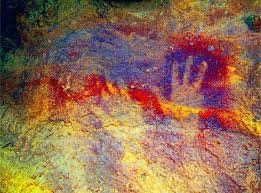
Imagine the dim glow of flickering firelight, casting dancing shadows on rough cave walls, thousands of years before history began. In the silence, broken only by the gentle breath of a painter, a hand presses against the cool, damp stone. A cloud of red ochre pigment fills the air, settling around the hand to leave a lasting imprint. This humble act resonates through time, speaking volumes across countless generations. The hand stencil, a ghostly echo from our distant ancestors, represents humanity’s earliest attempt at permanence—a poignant declaration: I was here. These timeless marks, etched in caves worldwide, whisper of identity, presence, and belonging, inviting us to imagine the lives, dreams, and stories of those who came before.

Creation and Technique

Creating a hand stencil required careful preparation and delicate execution. Artists mixed powdered ochre or manganese with binding agents such as animal fats or saliva, creating a vivid, lasting pigment. Hollow bone tubes, reeds, or even direct blowing through pursed lips were used to spray this mixture onto cave surfaces, leaving negative hand impressions as the pigment settled around the outstretched fingers and palm (Pike et al., 2012). Positive stencils, conversely, involved coating the hand directly with pigment and pressing firmly onto the rock. The skill and care in producing these artworks suggest the artists were respected community members entrusted with  preserving their group’s identity.

Geographical Distribution

The universality of hand stencils spans continents and millennia, connecting disparate groups through a shared expression of humanity: – El Castillo Cave, Spain (approximately 40,800 years old), where stencils offer a vivid glimpse into the artistic traditions of Europe’s earliest inhabitants (Pike et al., 2012). – Leang Timpuseng Cave, Indonesia (around 39,900 years old), highlighting the global reach of this simple yet profound gesture (Aubert et al., 2014). – Cueva de las Manos, Argentina (circa 11,000 to 7,500 BCE), bearing witness to the enduring legacy of hunter-gatherer communities (UNESCO, 1999). – Maltravieso Cave, Spain (66,700 years old, Neanderthal), pushing back the boundaries of our understanding of human creativity and symbolism (Hoffmann et al., 2018). 

Anthropological and Cognitive Significance

Hand stencils offer anthropologists a rare glimpse into the minds of early humans, revealing their cognitive sophistication and symbolic capabilities. Jean Clottes (2016) interprets these markings as powerful symbolic dialogues, possibly connecting humans with spiritual worlds or ancestors. Such interpretations illuminate the complex, multi-layered meanings embedded in these ancient symbols, suggesting hand stencils were not mere decorations but deeply intentional expressions of identity, spirituality, and community bonds.

Makers of the Marks

The diversity among hand stencil creators adds depth to our understanding of prehistoric societies. Morphometric studies indicate that women and children were significant contributors, evident from the varying sizes and proportions of handprints in sites like Pech Merle and Rouffignac Cave, France (Van Gelder & Sharpe, 2009). Indeed, roughly one-quarter of known stencils were crafted by young hands, suggesting these caves were inclusive spaces of communal gathering, learning, and cultural transmission (Guthrie, 2005). The presence of young artists underscores the social nature of cave art, where cultural heritage and knowledge passed seamlessly across generations. 

Symbolic Meanings

Hand stencils often carry deeper symbolic meanings, frequently depicted with intentional missing fingers, possibly signifying complex communication methods, ritualistic practices, or symbolic gestures of sacrifice and belonging (Snow, 2006). At Gargas Cave, the repeated appearance of such stencils implies deliberate artistic choice rather than accidental loss or injury, hinting at a sophisticated form of proto-communication or ritual symbolism (Groenen, 2016). These enigmatic symbols provoke endless curiosity and interpretation, inviting us to explore ancient societies’ profound yet mysterious belief systems. 

Neanderthal Artists

The revelation of Neanderthal-created hand stencils at Maltravieso Cave drastically reshapes our understanding of these ancient relatives. Dating to approximately 66,700 years ago, these artworks predate modern human presence in Europe, demonstrating Neanderthals’ capability for abstract thought, artistic expression, and symbolic communication (Hoffmann et al., 2018). This discovery challenges long-standing stereotypes, positioning Neanderthals as sophisticated beings with complex social structures, rituals, and creative traditions—indelibly marking their legacy within humanity’s shared heritage. 

Personal Reflection and Modern Resonance

Handprints transcend historical and cultural divides, resonating deeply within modern consciousness through their universal symbolism of identity and continuity. Today, a child’s handprint evokes a profound emotional connection, bridging the vast temporal gap between ourselves and our ancestors. As parents guide their children’s hands onto clay or paper, they unknowingly echo the same intimate gesture practiced thousands of years earlier in shadowy caves. This continuity reflects humanity’s enduring quest for meaning, connection, and permanence, uniting generations through shared gestures of presence and belonging.

Conclusion

Hand stencils serve as timeless symbols of humanity’s deepest needs: recognition, belonging, storytelling, and community. These simple marks assert presence, convey complex meanings beyond language, and profoundly connect us to our earliest ancestors. They invite modern observers to reflect on our shared humanity and the eternal impulse to leave a mark upon the world, asserting with silent dignity: We are here.

Works Cited

Aubert, M., Lebe, R., Oktaviana, A. A., Tang, M., Burhan, B., Jusdi, A., … & Brumm, A. (2019). Earliest hunting scene in prehistoric art. Nature, 576(7787), 442–445. https://doi.org/10.1038/s41586-019-1806-y

Aubert, M., Pike, A. W. G., & Stringer, C. (2014). Pleistocene cave art from Sulawesi, Indonesia. Nature, 514(7521), 223–227. https://doi.org/10.1038/nature13422

Bednarik, R. G. (2008). Children as Pleistocene artists. Rock Art Research, 25(2), 173–182. https://www.academia.edu/1443733/Children_as_Pleistocene_artists

Clottes, J. (2016). What is Paleolithic Art? (D. Coltman, Trans.). University of Chicago Press.

D’Errico, F., & Vanhaeren, M. (2017). Hand to mouth: The origins of symbolic behaviour seen through the study of dental wear and artefacts. Philosophical Transactions of the Royal Society B: Biological Sciences, 372(1725), 20160377. https://doi.org/10.1098/rstb.2016.0377

Groenen, M. (2016). Handprints and fingerprints in rock art. Arts, 5(1), 1–12. https://doi.org/10.3390/arts5010007

Guthrie, R. D. (2005). The Nature of Paleolithic Art. University of Chicago Press.

Hoffmann, D. L., Standish, C. D., García-Diez, M., Pettitt, P. B., Milton, J. A., Zilhão, J., … & Pike, A. W. G. (2018). U-Th dating of carbonate crusts reveals Neanderthal origin of Iberian cave art. Science, 359(6378), 912–915. https://doi.org/10.1126/science.aap7778

Pike, A. W. G., Hoffmann, D. L., García-Diez, M., Pettitt, P. B., Alcolea, J., De Balbín, R., … & Zilhão, J. (2012). U-series dating of Paleolithic art in 11 caves in Spain. Science, 336(6087), 1409–1413. https://doi.org/10.1126/science.1219957

Snow, D. R. (2006). Sexual dimorphism in European Upper Paleolithic cave art. American Antiquity, 71(4), 663–678. https://doi.org/10.1017/s0002731600039840

UNESCO World Heritage Centre. (1999). Cueva de las Manos, Río Pinturas. https://whc.unesco.org/en/list/936

Van Gelder, L., & Sharpe, K. (2009). Women and girls as Upper Paleolithic cave “artists”: Deciphering the sexes of the hands at Rouffignac Cave, France. Oxford Journal of Archaeology, 28(4), 323–333. https://doi.org/10.1111/j.1468-0092.2009.00332.x

Wreschner, E. E. (1983). Red ochre and human evolution: A case for discussion. Current Anthropology, 24(5), 605–625. https://doi.org/10.1086/203067

Zilhão, J., Angelucci, D. E., Badal-García, E., d’Errico, F., Daniel, F., Dayet, L., … & Higham, T. (2010). Symbolic use of marine shells and mineral pigments by Iberian Neandertals. Proceedings of the National Academy of Sciences, 107(3), 1023–1028. https://doi.org/10.1073/pnas.0914088107

Zilhão, J., & d’Errico, F. (1999). The chronology and taphonomy of the earliest Aurignacian and its implications for the understanding of Neandertal extinction. Journal of World Prehistory, 13(1), 1–68. https://doi.org/10.1023/A:1022348410845

Rock Art on Screen: 12 Free Documentaries That Bring the Painted Past to Life

By Seth Chagi for World of Paleoanthropology

“We carry the torch of ancient storytellers each time we switch on a screen.” — Stoic reflection after too many late‑night documentary binges

Rock art feels simultaneously intimate and cosmic—handprints that whisper I was here across 30,000 years. The internet, bless its algorithmic heart, is brimming with free films that let us wander those caves and escarpments without the knee‑scrapes, bat guano, or UNESCO paperwork. Below are a dozen feature‑length (20 min +) documentaries your audience can stream today. I’ve grouped them by theme and noted what each one can teach us. Pop some popcorn (or Aquafor‑coated trail mix if you’re truly hardcore) and prepare to time‑travel.

1. Deep Time Immersion

TitleRuntimePlatformWhy Watch
“Cave of Forgotten Dreams”89 minWatchDocumentaries.comWerner Herzog’s 3‑D glide through Chauvet (32 kya) is as close as most of us will get to those charcoal lions. Perfect for discussing preservation ethics, pigment chemistry, and the phenomenology of darkness.
“Inside France’s Chauvet Cave” (DW Documentary)52 minYouTubeA more traditional science‑journalist tour that balances visuals with up‑to‑date uranium‑thorium dating and virtual‑reality replication work. Great classroom fodder on 3‑D scanning.

2. Rock Art & Global Narratives

TitleRuntimePlatformWhy Watch
“Les secrets des fresques d’Amazonie”88 minARTE.tvTakes viewers into Colombia’s Serranía de la Lindosa cliff murals—tens of thousands of figures dated ≥12 kya—while foregrounding Indigenous perspectives and environmental stakes.
“Oldest Cave Art Found in Sulawesi”24 minYouTube (Griffith Univ.)Concise but rich breakdown of the 45 kya pig panel & new 51 kya hunting scene; use it to spark debates on symbolic cognition outside Europe.
“KIMBERLEY ROCK ART: A World Treasure”45 minYouTubeExplores Australia’s Gwion Gwion & Wandjina iconography, weaving in modern Aboriginal custodianship and cutting‑edge optically stimulated luminescence dating.
“The Rock Art of Arnhem Land” (Part I)26 minYouTubeVeteran archaeologist Paul Taçon walks viewers through x‑ray kangaroos and Lightning Man motifs; ideal primer on superimposition sequences.

3. Mediterranean & Atlantic Europe

TitleRuntimePlatformWhy Watch
“Rock‑Art Sites of Tadrart Acacus” (UNESCO/NHK)28 minUNESCO.orgSahara pastoralism in motion—perfect for stressing how climate shifts shaped iconographic changes.
“Rock Art of the Mediterranean Basin”28 minYouTube (UNESCO)Surveys 758 Iberian sites; includes rare footage of Levantine‑style hunters in eastern Spain. Good segue into discussions of pigment sourcing.
“Prehistoric Rock Art of the Côa Valley & Siega Verde”30 minUNESCO.orgNight‑shot filming of open‑air engravings (≈25 kya onward) highlights why Foz Côa is a conservation victory.
“Exploring the Ancient Art of Altamira”24 minYouTubeA guided VR‑style tour of Spain’s “Sistine Chapel of the Palaeolithic,” complete with replica cave construction details—great for public‑engagement case studies.

4. Decoding Symbolic Systems

TitleRuntimePlatformWhy Watch
“How Art Made the World – Ep 2: The Day Pictures Were Born”59 minYouTube (BBC series)Frames cave art within a cognitive‑evolution story: why image‑making matters for social cohesion.
**“Paleo Cave Art Mysteries” (Episode 1 of 3)22 minYouTube**Paleoanthropologist Neil Bockoven dives into dot‑and‑line signs (à la von Petzinger) and therianthropes; a bite‑sized springboard for symbol taxonomy exercises.

How to Use This Playlist – (of course, you could just be like me and want to watch them, but here are some fun activities for those of you who may be teachers, professors, and the like for your students to better engage with the content):

  1. Chronological Viewing Party: Start with Acacus for Holocene climate context, swing through European Upper Palaeolithic masterpieces, then finish in the Amazon to spotlight New World debates.
  2. Data‑Extraction Exercise: Have students log motifs, substrates, and dating techniques in a shared Zotero group to spot regional patterns.
  3. Compare Custodianship Models: Contrast Indigenous‑led management in Australia with state oversight in France and Spain—fertile ground for ethical discussions.
  4. DIY Experimental Archaeology: After watching the Altamira VR segment, try recreating blowing techniques with ochre and charcoal on butcher paper (outdoors, trust me).

Remember: every dash of ochre, every engraved aurochs, is a dialogue across millennia. Hit play, listen closely, and pass the story on.

Feel free to embed this post—just credit World of Paleoanthropology and link readers back to the documentary sources. Happy cave‑surfing!

🎨 Secrets in Stone: Colombia’s Amazon Rock Art on the PaleoPost Podcast

New Episode!

There are moments in science when the world cracks open just a little—and we get a glimpse into something ancient, powerful, and utterly human.

That’s exactly what we’re diving into in the latest episode of the PaleoPost Podcast: “Exploring Colombia’s Ancient Rock Art: Secrets of the Amazon’s Painted Cliffs.”

Thousands of vivid red figures stretch across the white cliff faces of Colombia’s Serranía de la Lindosa, deep in the heart of the Amazon. These rock paintings—some dating back more than 12,000 years—aren’t just beautiful. They’re testaments to deep human memory, and they whisper stories of animals, rituals, migration, and connection with the land.

In this episode, I unpack what we know so far about these remarkable panels:

🖐️ Who painted them and why?

🦜 What can they tell us about the earliest people of the Amazon?

🪨 And what does it all mean for the bigger picture of human origins and imagination?

This is one of those discoveries that reminds us just how far-reaching, creative, and sophisticated our ancestors were—and how much we still have to learn.

🧠✨ If you’re as fascinated by ancient art, archaeology, and the deep history of human expression as I am, then this one’s for you.

▶️ Watch now: https://youtu.be/Dmw8Pkq2hTY

Don’t forget to like, subscribe, and share with your fellow explorers of human history.

Unveiling the Denisovan Enigma: Proteomics, Morphology & Genetic Legacy

Keywords: , skull, , calculus , jaw, , , , #humanevolution.


Introduction

In June 2025, two landmark studies published in Science and Cell redefined our understanding of the Denisovans—an elusive archaic human lineage previously known primarily through DNA and fragmentary fossils. The Harbin skull (“Dragon Man”) from northeastern China, dated at least 146,000 years old, offers the first nearly complete Denisovan cranium. Meanwhile, the Penghu 1 jawbone from Taiwan confirms their widespread presence in East Asia (Fu et al., 2025; Tsutaya et al., 2025). These discoveries merge molecular archaeology and morphology, finally revealing not just a face—but an evolutionary story of adaptability, interbreeding, and shared ancestry.

This article synthesizes cutting-edge proteomic analyses, robust morphological comparisons, and the Denisovan genetic legacy in modern populations. In doing so, it contextualizes their evolutionary importance and highlights how these findings enrich science communication. As more evidence surfaces, we are increasingly tasked with incorporating new knowledge into our collective understanding of what it means to be human. This article invites readers to engage with that evolving story.


Cutting-Edge Methodologies in Paleo-Science

Proteomics vs. Ancient DNA

The Harbin cranium yielded 95 endogenous proteins from dental calculus—substantially more than any previously analyzed Denisovan sample. This rich dataset allowed definitive classification as Denisovan despite limited recoverable DNA (Fu et al., 2025). Proteomics, particularly tandem mass spectrometry (LC‑MS/MS), has emerged as a robust alternative to ancient DNA, especially in subtropical and temperate environments where DNA preservation is poor. Protein recovery allows for comparisons across fossils where DNA has degraded, broadening our capacity to link skeletal remains to evolutionary lineages. This innovation may open new doors for reclassifying other ambiguous fossils worldwide.

Mitochondrial DNA from Calculus

A major breakthrough from the Harbin analysis was the recovery of mitochondrial DNA from dental calculus. This enabled the identification of three unique Denisovan mtDNA variants, demonstrating that even in the absence of nuclear DNA, dental calculus remains a valuable source of genetic material (Wang & Ni, 2025). The implications are wide-reaching: it is now plausible to identify ancestry, geographic lineage, and even dietary information from plaque—a substance once considered merely incidental.

Proteins in the Penghu Jaw

The Penghu 1 mandible, long ambiguous since its recovery in 2008, was credibly identified as Denisovan through ancient protein analysis. Amelogenin Y-chromosome proteins confirmed the fossil belonged to a male. Over 4,000 amino acid residues from 51 proteins were recovered, including several Denisovan-specific variants (Tsutaya et al., 2025). This analysis not only solved a taxonomic mystery but also confirmed that protein studies can reliably detect sex, ancestry, and phylogenetic placement in fossils long separated from viable DNA.


Morphology & Ecogeographical Spread

Harbin Skull Anatomy

The Harbin skull exhibits a 1,420 cc brain volume, square orbital rims, massive brow ridges, and a long low cranial vault. Originally proposed as a new species (Homo longi), the cranium is now clearly recognized as Denisovan. These robust features suggest adaptations to cold climates and a distinct evolutionary path within Asia (Ji & Ni, 2021; Fu et al., 2025). The mixture of archaic and derived traits in the Harbin specimen challenges previous notions of linear human evolution, pointing instead to a more complex and branching hominin family tree.

Penghu Jaw Functional Morphology

Penghu 1’s thick mandible, large molars, and elevated tooth wear mirror other East Asian fossils such as Xiahe and Dali. These traits likely reflect dietary specialization and environmental adaptation (Chang et al., 2025). The jaw’s robustness suggests consumption of tough plant material and uncooked meat, indicating a versatile and possibly seasonal diet. These insights offer a glimpse into Denisovan lifeways and behavioral ecology.

Broad Denisovan Range

Denisovans inhabited a wide ecological range:

  • Siberia (Denisova Cave): initial identification via DNA.
  • Tibet (Xiahe mandible): high-altitude adaptation.
  • China (Harbin): robust northern morphology.
  • Taiwan (Penghu 1): subtropical marine edge.

This distribution highlights Denisovans’ ecological versatility and long-term presence in Asia (Chen et al., 2019). Their ability to thrive in diverse climates—from frozen taigas to humid islands—suggests cultural adaptability, possibly including the use of clothing, fire, shelter, and symbolic behavior.


Genetic Echoes and Cultural Impacts

Adaptive Introgression

Denisovan DNA lives on in modern humans, particularly among:

  • Tibetans (EPAS1 allele aiding high-altitude adaptation)
  • Inuit (TBX15/WARS2 variants affecting fat distribution)
  • Melanesians and Southeast Asians (general Denisovan ancestry)

These genetic legacies influence contemporary physiology and underscore ancient interbreeding events (Huerta-Sánchez et al., 2014; Racimo et al., 2017). These adaptations reflect survival strategies that became embedded in our species. The persistence of these alleles demonstrates evolutionary success beyond extinction—echoing in the biology of modern populations.

Coexistence and Interbreeding

Denisovans interbred with both Neanderthals and Homo sapiens. The discovery of a hybrid individual (Denisova 11) attests to this complexity. Their legacy is not merely genetic but reflective of a dynamic past in which hominin species coexisted, interacted, and adapted to changing environments. Understanding this interplay reshapes our perception of evolutionary competition and cooperation (Pääbo, 2022).

Cultural Resonance

Previously “faceless,” Denisovans now possess visual and cultural identity. The Harbin skull offers the public a tangible connection to this lineage. This opens pathways in education and outreach, allowing reconstructions of the Denisovan face to humanize our ancient relatives. Public engagement through museum exhibitions, digital reconstructions, and multimedia storytelling can transform how societies perceive ancestry, identity, and cultural continuity.


Taxonomy and Ongoing Debates

“Homo longi” vs. Denisovan Identity

The 2021 naming of Homo longi sparked debate due to the Harbin skull’s distinctive morphology. However, recent molecular data confirm its Denisovan affiliation. This raises questions about naming conventions in paleoanthropology—whether to privilege morphology, geography, or genetics (Ji & Ni, 2021; Fu et al., 2025). This discussion reflects broader questions about how we categorize diversity in the fossil record and delineate species and subspecies boundaries.

Recognizing Broader Denisovan Diversity

Other fossils across East Asia—Dali, Xujiayao, and Jinniushan—may also belong to the Denisovan clade. Morphological similarities suggest a broader Denisovan presence than previously recognized, potentially shifting models of hominin dispersal in Pleistocene Asia (Chen et al., 2019). Reexamining these sites using updated techniques could redefine our timelines and migration models, emphasizing gene flow and regional continuity.


Broader Reflections: Storytelling and Science Communication

Humanizing the Past

The Denisovan narrative, like the Harbin skull buried for decades, parallels stories of rediscovery and resilience. It resonates with broader human experiences of finding significance in what was once overlooked or unknown. These moments of revelation shape our evolving understanding of ourselves and our origins.

Integrating into Outreach

Science communication can elevate these discoveries by connecting them with public curiosity and imagination. Interactive visuals, accessible timelines, and thoughtful cultural framing help bridge technical findings with meaningful stories. Engaging diverse audiences—including students, educators, and underrepresented communities—can foster a more inclusive discourse around human evolution.


Conclusion and Call to Action

Denisovans, once ghostly shadows in the fossil record, now emerge as a dynamic lineage—shaping modern biology, expanding scientific techniques, and reminding us of our shared ancestral past. These discoveries underscore the importance of interdisciplinary research and the power of storytelling in humanizing deep time.

Call to Action:

  • Develop educational visuals of Denisovan traits and distribution
  • Incorporate these findings into science curricula and exhibitions
  • Promote interdisciplinary collaboration among researchers and communicators
  • Encourage thoughtful public engagement with human evolutionary history
  • Support ethical reflection on the treatment and display of ancestral remains

References (APA 7th Edition)

Chang, C.-H., Kaifu, Y., Takai, M., Kono, R. T., Grün, R., et al. (2025). A male Denisovan mandible from Pleistocene Taiwan. Science, 176–180.

Chen, F., Welker, F., Shen, C.-C., Bailey, S., Bergmann, I., et al. (2019). A late Middle Pleistocene Denisovan mandible from the Tibetan Plateau. Nature, 569, 409–412.

de Lazaro, E. (2025, June 19). Harbin fossil belongs to Denisovan population, two new studies suggest. Sci.News.

Fu, Q., et al. (2025). The proteome of the late Middle Pleistocene Harbin individual. Science.

Huerta‑Sánchez, E., et al. (2014). Altitude adaptation in Tibetans caused by introgression of Denisovan-like DNA. Nature, 512, 194–197.

Ji, Q., & Ni, X. (2021). Massive cranium from Harbin in northeastern China establishes a new Middle Pleistocene human lineage. Innovation.

Pääbo, S. (2022). A Neanderthal in the Family: The Story of One Genome and Human Evolution. Basic Books.

Racimo, F., et al. (2017). Archaic adaptive introgression in TBX15/WARS2. Molecular Biology and Evolution, 34(3), 509–524.

Tsutaya, T., et al. (2025, April 11). A male Denisovan mandible from Pleistocene Taiwan. Science, 176–180.

Wang, Y., & Ni, X. (2025). Mitochondrial DNA from dental calculus of the Harbin cranium. Cell.

Unveiling the Dragon Man: A Breakthrough in Understanding Our Denisovan Ancestors

Imagine stumbling upon an ancient skull hidden deep within a well—a secret preserved for nearly a century, now poised to rewrite the entire story of human evolution. This remarkable discovery from Harbin, China, known as the “Dragon Man” skull, has finally granted scientists and humanity our first comprehensive glimpse into the elusive Denisovan lineage (National Geographic, 2025).

An Extraordinary Fossil’s Journey

The fascinating saga begins dramatically in 1933, amid the tense atmosphere of Japanese occupation. A Chinese construction worker unearthed an exceptionally large and strikingly well-preserved skull near the Songhua River. Realizing its significance yet fearing it might fall into enemy hands, he courageously concealed the precious fossil at the bottom of a secluded well. Undetected and protected, this priceless relic remained hidden for over eight decades. In 2018, the worker’s descendants donated it to Hebei GEO University, revealing one of paleontology’s greatest treasures and initiating a profound shift in our understanding of human origins (ScienceAlert, 2025).

Dating back at least 146,000 years, the Dragon Man skull astounded researchers with its immaculate preservation and distinctive features. Its imposing brow ridge, broad nasal aperture, expansive eye sockets, and elongated braincase markedly differ from known ancient human fossils. The exceptional condition of the skull has provided scientists with an unparalleled opportunity to study, in intricate detail, the physical characteristics and evolutionary development of our ancient relatives (Live Science, 2025).

From New Species to Ancient Cousin

Initially, the scientific community considered the skull evidence of an entirely new human species, naming it Homo longi—or “Dragon Man”—in honor of the Dragon River region near the discovery site. This bold classification sparked vigorous debate, with some experts suggesting a potential link to the enigmatic Denisovans. Until now, Denisovans had only been known through small genetic fragments retrieved from bone pieces discovered in Siberia’s Denisova Cave (El País, 2025).

Molecular Magic: DNA Reveals the Truth

Resolving this scientific mystery required cutting-edge molecular technology. Paleogeneticist Qiaomei Fu, renowned for her groundbreaking work on Denisovan DNA from Siberian fragments, spearheaded the challenge. Fu’s team initially faced significant difficulties extracting viable genetic material directly from the skull’s bones and teeth. Their persistence was rewarded when they ingeniously retrieved mitochondrial DNA from dental calculus—ancient hardened plaque on the teeth. This innovative method decisively confirmed the Dragon Man’s Denisovan heritage, linking it genetically to an early Denisovan lineage previously recognized from Siberian fossil evidence (The New York Times, 2025).

Protein Analysis Solidifies the Connection

To further confirm their findings, researchers employed advanced paleoproteomic techniques, meticulously analyzing proteins preserved within the skull. This approach yielded an exceptionally detailed proteomic profile, uncovering distinct protein markers unique to Denisovans. With over 308,000 peptide matches, this protein analysis not only cemented the skull’s classification but also set a new standard in paleoproteomic studies, dramatically advancing our capacity to interpret ancient fossils (Popular Archaeology, 2025).

Putting a Face to Denisovans

For fifteen years, the Denisovans represented a profound enigma in human evolution—known only from sparse fossil fragments and incomplete genetic evidence. The discovery of the Dragon Man skull has transformed this narrative, finally allowing researchers to reconstruct the physical appearance of these ancient humans. Celebrated paleoartist John Gurche has skillfully produced vivid, lifelike reconstructions, depicting Denisovans as robust, resilient beings adapted to survive across diverse and challenging ancient Asian landscapes (Nature, 2025).

A New Perspective on Human Evolution

The Dragon Man discovery profoundly reshapes our perspective on ancient human migrations and adaptive strategies across Asia. Previously believed to be confined mainly to Siberia, Denisovans evidently occupied a much broader range and demonstrated impressive adaptability to varied environments. These insights help explain how Denisovan genetic material integrated into the DNA of contemporary Asian and Pacific Islander populations, conferring adaptations beneficial for life at high altitudes and survival in harsh climates (Science News, 2025).

Methodological Breakthroughs and Future Directions

Beyond its historical significance, the Dragon Man discovery marks substantial methodological advancements in paleogenetics and paleoproteomics. The successful extraction of genetic material from dental calculus opens new doors, enabling researchers to investigate numerous other fossils once deemed unsuitable for DNA analysis (Phys.org, 2025).

Although some methodological debates continue among experts, the scientific consensus robustly supports identifying the Dragon Man skull as Denisovan. Encouraged by these findings, researchers are reexamining previously discovered fossils throughout Asia, hopeful that more Denisovan specimens will emerge from obscurity (CNN, 2025).

A Landmark in Human Origins

More than merely a fascinating fossil, the Dragon Man skull symbolizes a transformative milestone in our exploration of human evolution. Hidden away for generations, this extraordinary relic now illuminates a critical missing chapter of our shared ancestral history.

As ongoing analysis progresses, the Dragon Man skull promises even deeper insights. It serves as an enduring testament to modern science’s potential to unveil ancient mysteries, significantly enriching our understanding of the diverse tapestry of human origins and the dynamic narrative of human evolutionary heritage.

References

CNN. (2025). ‘Dragon Man’ DNA revelation puts a face to a mysterious group of ancient humans. https://www.cnn.com/2025/06/18/science/dragon-man-skull-denisovan-dna-evidence

El País. (2025). Enigmatic ‘Dragon Man’ was not a new human species, but a Denisovan. https://english.elpais.com/science-tech/2025-06-18/enigmatic-dragon-man-was-not-a-new-human-species-but-a-denisovan.html

Live Science. (2025). 1st-ever Denisovan skull identified thanks to DNA analysis. https://www.livescience.com/archaeology/human-evolution/ancient-dragon-man-skull-from-china-isnt-what-we-thought

Nature. (2025). First-ever skull from ‘Denisovan’ reveals what ancient people looked like. https://www.nature.com/articles/d41586-025-01899-y

National Geographic. (2025). This is the first-ever confirmed skull of a Denisovan. https://www.nationalgeographic.com/history/article/controversial-dragon-man-skull-confirmed-to-be-a-denisovan

Father Time: Rediscovering the Essential Roles of Fathers Through Human History

Reframing the Narrative of Fatherhood

The concept of fatherhood has often been simplified and overshadowed by societal archetypes emphasizing masculinity primarily through the lens of the hunter or provider. However, recent anthropological, psychological, and sociological research—most notably encapsulated in the seminal work Father Time by Sarah Blaffer Hrdy (2024)—reveals a far richer and more nuanced history of paternal roles, shedding light on the critical, yet frequently underappreciated, involvement of fathers in child-rearing across various cultures and epochs.

Beyond the Hunter: A Broader Evolutionary Role

Historically, the conventional portrayal of the male figure in early human societies centers predominantly around hunting and providing protection. This archetypal image, while compelling, significantly underestimates the complexity of early paternal behavior. Contrary to traditional portrayals, fathers have historically engaged in activities far beyond the mere provision of resources. Fathers have played pivotal roles in direct child care, emotional nurturing, teaching, and socializing their offspring—aspects often exclusively associated with maternal care until very recently (Hrdy, 2024).

Sarah Blaffer Hrdy’s research emphasizes that the human species evolved uniquely with cooperative breeding strategies, where not only mothers but also fathers, siblings, and extended community members significantly contributed to the care and upbringing of children. Such collective caregiving strategies deeply shaped human cognitive and emotional development, fostering empathetic abilities, complex communication skills, and intricate social structures (Hrdy, 2024).

Anthropological Insights into Paternal Involvement

Evidence from anthropology and evolutionary biology has gradually dismantled the image of fathers merely as distant providers. For instance, studies of contemporary hunter-gatherer societies, such as the Aka pygmies of Central Africa, illustrate a profoundly active paternal role. Aka fathers spend substantial time in direct childcare—feeding, cleaning, and emotionally comforting their children—demonstrating that involved fatherhood significantly enhances child survival rates and overall well-being (Hewlett & Macfarlan, 2010).

This direct paternal involvement is not a recent phenomenon. Fossil and archaeological evidence supports the presence of engaged fatherhood throughout human evolution. Analysis of fossil remains indicates a pattern of reduced sexual dimorphism in early Homo sapiens, suggesting decreased competition among males and increased cooperation, especially in terms of child-rearing responsibilities (Gettler, 2014). Lower sexual dimorphism typically correlates with greater paternal involvement, reflecting deeper parental commitments that shaped our evolutionary trajectory.

Biology of Bonding: Hormonal Evidence

Biological research reinforces the critical role fathers play from infancy onward. Studies indicate that fathers experience hormonal changes parallel to mothers during pregnancy and postpartum periods. Elevated levels of oxytocin, commonly known as the “bonding hormone,” have been observed in fathers actively participating in caregiving, facilitating stronger emotional attachments and enhancing paternal sensitivity to infant needs (Gettler, McDade, Feranil, & Kuzawa, 2011). Thus, paternal nurturing is deeply embedded within the human evolutionary legacy, contradicting the notion of paternal detachment historically attributed to male roles.

Global Diversity in Paternal Roles

The cultural diversity in fatherhood roles further supports the assertion of paternal caregiving universality. Among the Tsimane of Bolivia, fathers play critical roles in teaching their children survival skills, social norms, and cultural practices. Such interactions not only ensure individual child survival but also perpetuate cultural identity and community cohesion (Winking, Gurven, Kaplan, & Stieglitz, 2009).

Additionally, psychological studies have highlighted the significant benefits children derive from active paternal engagement. Fathers who actively engage with their children positively influence their cognitive development, emotional regulation, and social skills. Children with involved fathers typically display higher academic achievement, better emotional resilience, and lower incidences of delinquency and behavioral problems (Lamb & Lewis, 2013).

Modern Shifts and Persistent Stereotypes

Modern interpretations of fatherhood, especially in Western societies, are increasingly aligned with these historical and cross-cultural insights. Fathers are no longer universally depicted as secondary caregivers or distant providers; contemporary societal norms and policies increasingly recognize and facilitate involved fatherhood. Initiatives such as paternal leave policies and broader societal acceptance of active fathering roles reflect growing acknowledgment of fathers’ integral contributions to family life and child development (O’Brien, Brandth, & Kvande, 2007).

However, despite these advances, societal norms and expectations still grapple with persistent stereotypes. The legacy of industrial-era gender roles, which delineated domestic responsibilities predominantly to women and economic provision exclusively to men, continues to echo in modern societal structures, perpetuating restrictive models of masculinity and paternal identity. This persistence underscores the importance of ongoing scholarly discourse, public policy initiatives, and cultural dialogue to further dismantle outdated archetypes and fully embrace the diverse roles fathers have always played (Coltrane, 2010).

Reclaiming the Evolutionary Legacy of Fatherhood

As Hrdy (2024) compellingly argues, redefining fatherhood is not merely a cultural or societal adjustment; it is a reclamation of an essential element of human evolutionary heritage. Fathers have always been caregivers, nurturers, educators, and emotional anchors. Recognizing these roles historically, biologically, and culturally reshapes our contemporary understanding of masculinity, parenthood, and societal well-being.

Conclusion: A Fuller Picture of Fatherhood

The evolving understanding of fatherhood challenges outdated archetypes, illuminating a more comprehensive and enriching picture of paternal roles throughout human history. Fathers’ contributions extend far beyond provisioning; they have been, and remain, central to the emotional, social, and developmental fabric of human societies. This Father’s Day, as society celebrates paternal figures, embracing and promoting this fuller historical and evolutionary understanding of fatherhood is not only timely but essential. It benefits individual families and strengthens the broader cultural norms that shape our shared human experience.

References

Coltrane, S. (2010). Fatherhood, gender and work-family policies. Journal of Family Theory & Review, 2(2), 98–112. https://doi.org/10.1111/j.1756-2589.2010.00037.x

Gettler, L. T. (2014). Applying socioendocrinology to evolutionary models: Fatherhood and physiology. Evolutionary Anthropology: Issues, News, and Reviews, 23(4), 146–160. https://doi.org/10.1002/evan.21418

Gettler, L. T., McDade, T. W., Feranil, A. B., & Kuzawa, C. W. (2011). Longitudinal evidence that fatherhood decreases testosterone in human males. Proceedings of the National Academy of Sciences, 108(39), 16194–16199. https://doi.org/10.1073/pnas.1105403108

Hewlett, B. S., & Macfarlan, S. J. (2010). Fathers’ roles in hunter-gatherer and other small-scale cultures. In M. E. Lamb (Ed.), The Role of the Father in Child Development (5th ed., pp. 413–434). Wiley.

Hrdy, S. B. (2024). Father Time: The Social Clock and the Evolutionary Origins of Fatherhood. Harvard University Press.

Lamb, M. E., & Lewis, C. (2013). Father-child relationships. In N. J. Cabrera & C. S. Tamis-LeMonda (Eds.), Handbook of Father Involvement: Multidisciplinary Perspectives (2nd ed., pp. 119–134). Routledge.

O’Brien, M., Brandth, B., & Kvande, E. (2007). Fathers, work and family life: Global perspectives and new insights. Community, Work & Family, 10(4), 375–386. https://doi.org/10.1080/13668800701574971

Winking, J., Gurven, M., Kaplan, H., & Stieglitz, J. (2009). The goals of direct paternal care among a South Amerindian population. American Journal of Physical Anthropology, 139(3), 295–304. https://doi.org/10.1002/ajpa.20981

A Touch Across Time: The Neanderthal Fingerprint That Changed Everything

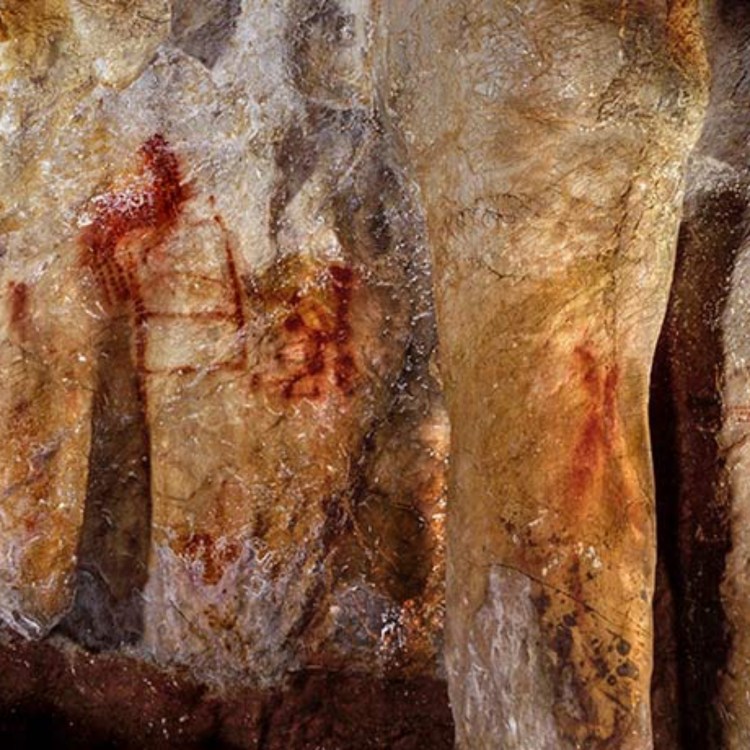
In the quiet, sun-dappled hills of San Lázaro, Spain, archaeologists recently stumbled upon an astonishing discovery—a simple red ocher fingerprint pressed deliberately onto a rock surface some 43,000 years ago. At first glance, this may seem humble: a fleeting human mark from deep history. But this fingerprint is far more profound. It belongs not to Homo sapiens—modern humans like you and me—but to our enigmatic cousins, the Neanderthals (Rodríguez-Hidalgo et al., 2024).

This tiny imprint is more than just an ancient mark. It’s a tangible, intimate connection to a Neanderthal individual, someone who stood exactly where researchers now stand, touching a stone in a purposeful act. So, what exactly does this discovery mean for our understanding of Neanderthals? Why is it so exciting, and why should it captivate us?

A Moment Captured in Time

Consider, for a moment, the sheer wonder of a fingerprint. Every single ridge and swirl is unique to an individual—a personal signature no one else shares. This particular Neanderthal fingerprint, vividly preserved in red ocher, offers an intimate snapshot from tens of thousands of years ago. The decision to press one’s finger onto the rock, leaving a deliberate mark, strongly suggests intentionality and symbolic expression (Zilhão, 2012).

Previously, many viewed Neanderthals as primarily practical, survival-focused beings who didn’t engage significantly in symbolic thought. Over recent decades, however, discoveries like shell jewelry, cave art, and now this fingerprint have profoundly reshaped that narrative. This fingerprint suggests a conscious, meaningful action—a symbolic gesture that hints at complex thought processes and an awareness of self and identity (d’Errico & Stringer, 2011).

Symbolism and Self-Awareness

When modern humans use art, we communicate ideas, emotions, or stories. Could the same be true for Neanderthals? The placement of the fingerprint wasn’t random; the stone was naturally shaped somewhat like a face. By enhancing its facial features with this print, the Neanderthal artist was engaging in representational thought, transforming a naturally occurring shape into something more—a representation with meaning beyond mere practicality.

This find challenges earlier assumptions about Neanderthal cognition, pushing the boundary of what we define as distinctly “human.” Symbolic behavior and self-awareness have often been considered hallmarks of modern human cognition. Finding evidence of this behavior in Neanderthals suggests that they shared far more cognitive and cultural complexity with us than previously thought (Hovers & Belfer-Cohen, 2013).

What We’ve Learned So Far

This single fingerprint can tell us a surprising amount. Forensic analysis has determined that it belonged to an adult male, offering a glimpse into the demographics of the site (Rodríguez-Hidalgo et al., 2024). Its remarkable preservation provides clues about Neanderthal material culture. Ocher, a naturally occurring mineral pigment, was clearly valued, collected, and used deliberately.

Studies of ocher use among both modern humans and Neanderthals show it was often employed in rituals, personal adornment, and symbolic contexts. Its presence on this stone strongly supports the interpretation of symbolic intent rather than mere practicality (Wadley, 2005).

New Avenues of Research

Where do we go from here? First, archaeologists can explore other Paleolithic sites with fresh eyes, looking for subtle symbolic marks or impressions previously overlooked. Discoveries like this fingerprint remind us that symbols and meaning-making activities may not always be grandiose. Sometimes, they’re understated yet powerful.

Second, interdisciplinary collaboration is crucial. Forensic science, pigment analysis, cognitive archaeology, and ethnography must come together to illuminate the broader context of such symbolic acts. Was this mark part of a social ritual or a personal statement? Did ocher carry particular cultural significance?

Third, this discovery encourages us to re-evaluate the archaeological record holistically. Perhaps other seemingly mundane artifacts conceal symbolic dimensions. Staying open to subtle details might reveal hidden narratives and richer cognitive worlds.

Implications for Science and Humanity

Archaeology thrives on asking better questions. Once, the core question about Neanderthals was whether they had symbolic capacity at all. Now, the focus shifts: What form did their symbolic behavior take? How widespread was it? What role did symbolism play in their social fabric?

This find also highlights the importance of site preservation and meticulous excavation. The fingerprint survived thanks to extraordinary preservation conditions—conditions increasingly threatened by climate change and human activity.

Importantly, this discovery prompts us to rethink human uniqueness. If symbolic expression developed independently in different hominin species, then symbolism may not be a rare cognitive anomaly but a fundamental aspect of hominin brain evolution. This challenges longstanding assumptions about our exclusive grip on culture and art.

Bridging the Millennia

Perhaps the most compelling aspect of this discovery is its intimacy. A fingerprint bridges tens of thousands of years, connecting two individuals across an unimaginable gulf of time. It evokes empathy, curiosity, and awe. We glimpse, however briefly, the emotional and intellectual world of a person long gone.

The emerging picture of Neanderthals is one of nuance and richness. They were not brutish outliers of evolution but thoughtful, creative beings with lives filled with meaning. This fingerprint deepens that narrative and elevates our appreciation for the breadth of human experience.

Final Reflections

The red ocher fingerprint from San Lázaro is a potent reminder that history is made not only through tools and bones but through the quiet, deliberate gestures of individuals. This ancient mark redefines what it means to be human and extends our story beyond the borders of Homo sapiens.

As scientific inquiry continues, each new discovery—no matter how small—adds to our collective understanding. The fingerprint from San Lázaro is a vivid testament that every one of us leaves an impression. Some fade. Some, like this, endure.

Let it inspire us to keep asking questions, stay curious, and embrace the deep history that connects us all.

References:

d’Errico, F., & Stringer, C. (2011). Evolution, revolution or saltation scenario for the emergence of modern cultures? Philosophical Transactions of the Royal Society B: Biological Sciences, 366(1567), 1060–1069. https://doi.org/10.1098/rstb.2010.0303

Hovers, E., & Belfer-Cohen, A. (2013). On variability and complexity: Lessons from the Levantine Middle Paleolithic record. Current Anthropology, 54(S8), S337–S357. https://doi.org/10.1086/673389

Rodríguez-Hidalgo, A., et al. (2024). Neanderthal fingerprint on ochre-enhanced stone at San Lázaro, Spain: Symbolic behavior in the Middle Paleolithic. Archaeological and Anthropological Sciences, 16(2). https://doi.org/10.1007/s12520-024-01876-2

Wadley, L. (2005). Putting ochre to the test: Replication studies of adhesives that may have been used for hafting tools in the Middle Stone Age. Journal of Human Evolution, 49(5), 587–601. https://doi.org/10.1016/j.jhevol.2005.06.007

Zilhão, J. (2012). Personal ornaments and symbolism among the Neanderthals. In J.-J. Hublin & M. P. Richards (Eds.), The Evolution of Hominin Diets (pp. 35–49). Springer.