*Update Two: Please check out the papers Prof. Stringer has allowed us to host! View and download them at the bottom of the page!
*Update: Our friend Prof. Chris Stringer very politely corrected me in some areas, here is what he said:
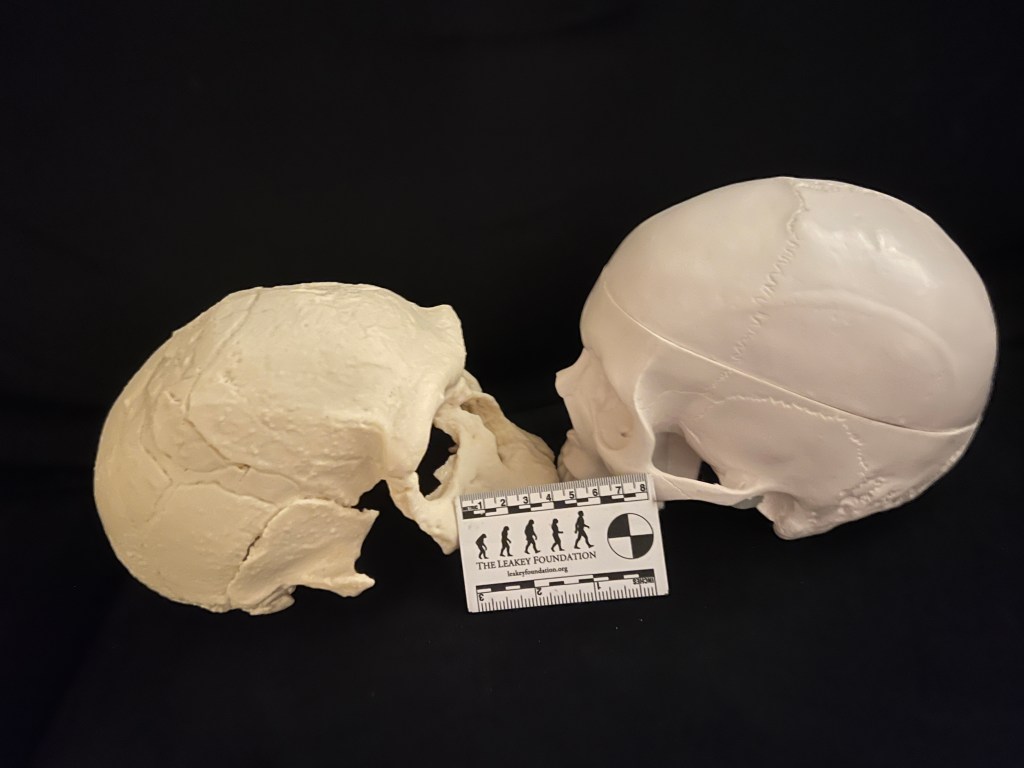
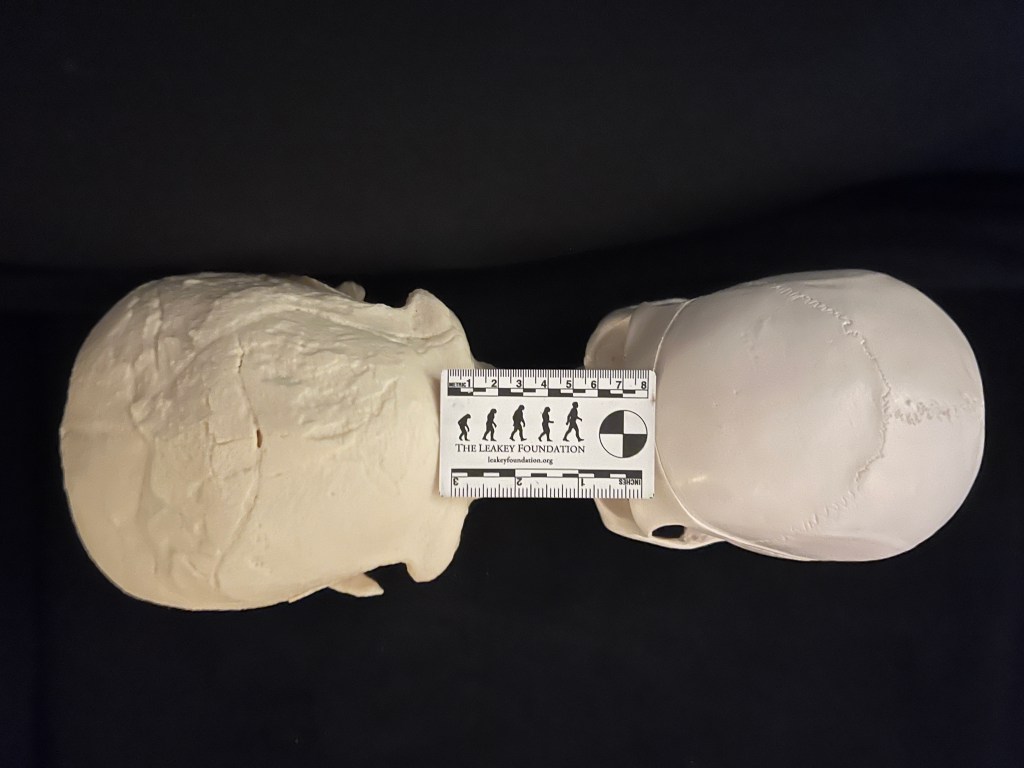
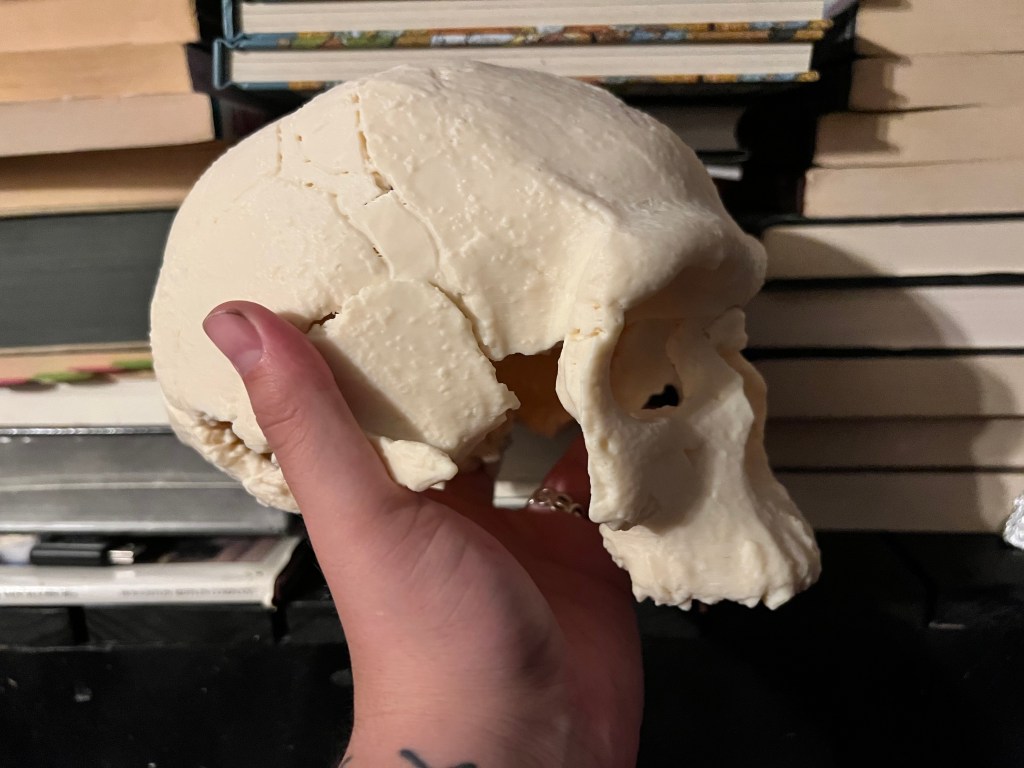
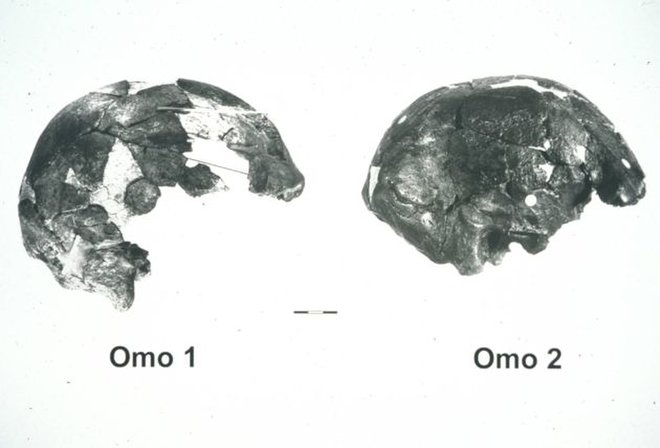
“To summarise, in my view (and of course others differ) fossils like Irhoud and Omo 2 are ‘archaic H. sapiens’ but for me, Omo 1 on the preserved parts is ‘anatomically modern’ at maybe 212 ky minimum (new dating, under review) Age of the oldest Homo sapiens from eastern Africa | Research Square.Omo 1 and 2 were discovered by an expedition led by Richard Leakey. And Cro-Magnons were AMH too..”
Hopefully, with permission, we can share some papers he wrote specifically on this!
Stay tuned!
The #Origins of #Homo #sapiens is a long, and fascinating story.
Where do we come from? One of the greatest questions of all time. With so many answers, we have science and religion battling it out to find the answers, and in truth it is very difficult to know.
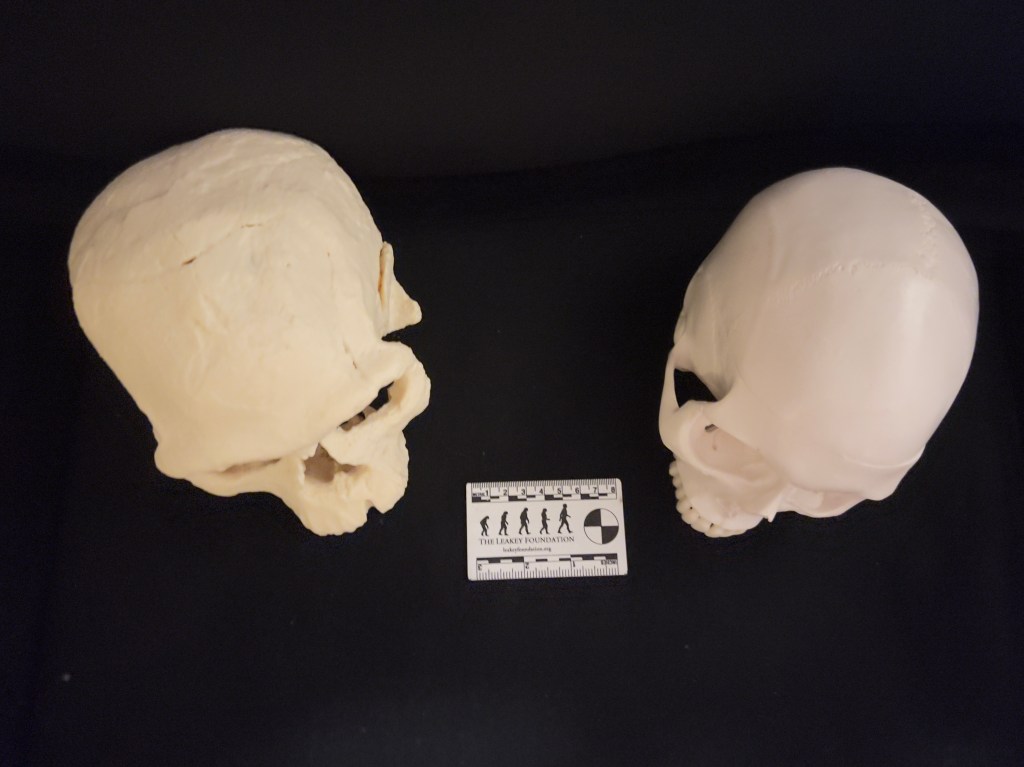
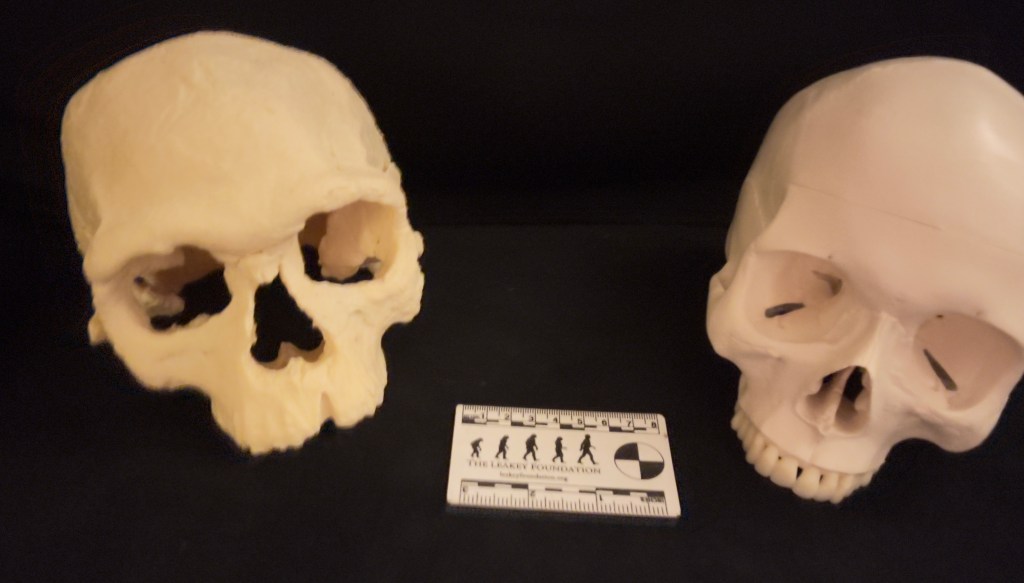
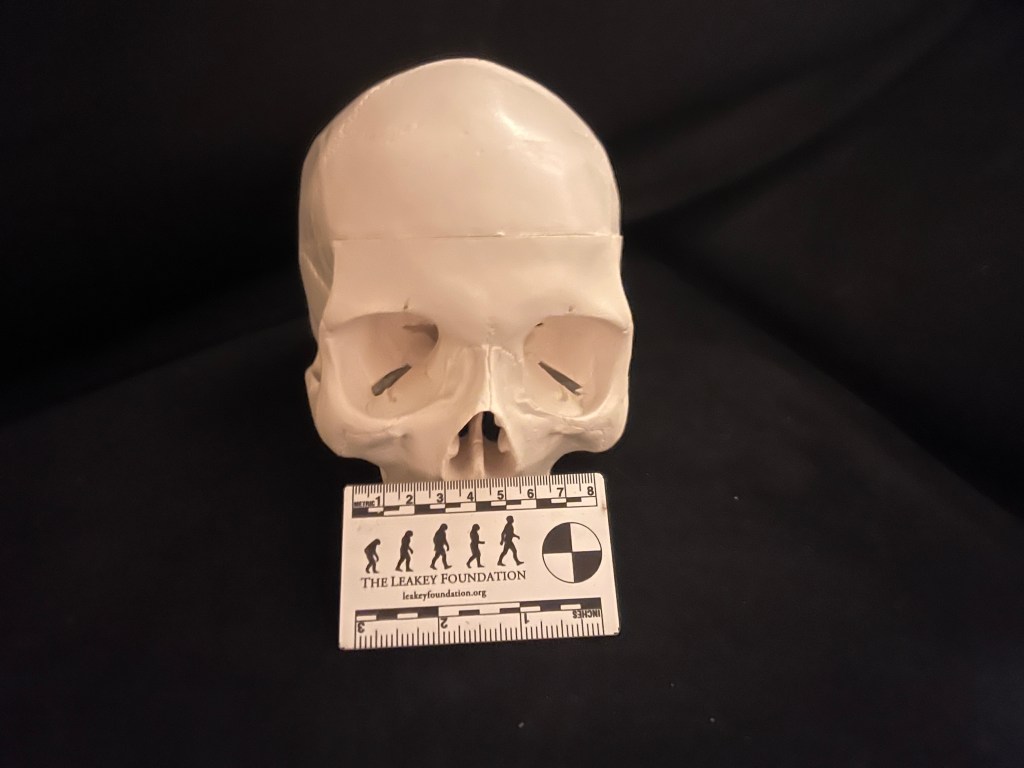
While #hominins have been around for 6-7mya, our very own #species is very recent. Anatomically Modern Humans date to only about 20-30k Years ago, their predecessor, Pro-Magnon man, which is now a debatable term and usage of the word, we did not act or think like we do today. We may have looked this way for near 200,000 years, or longer, be we were not “us”.
There are various stages of “Modern Humans” that lived in the late Pleistocene, and of course into the last epoch, the Holocene. As evidence (the fossil record) shows, there is evidence of variation and possible admixture throughout Homo sapiens in Africa during this period.
Of course, we think we know that Modern Humans originated in Africa (although even that Theory, yes scientific theory, not just “a theory”) of the recent out of Africa theory, has a few holes, but how can we possibly know without being there?
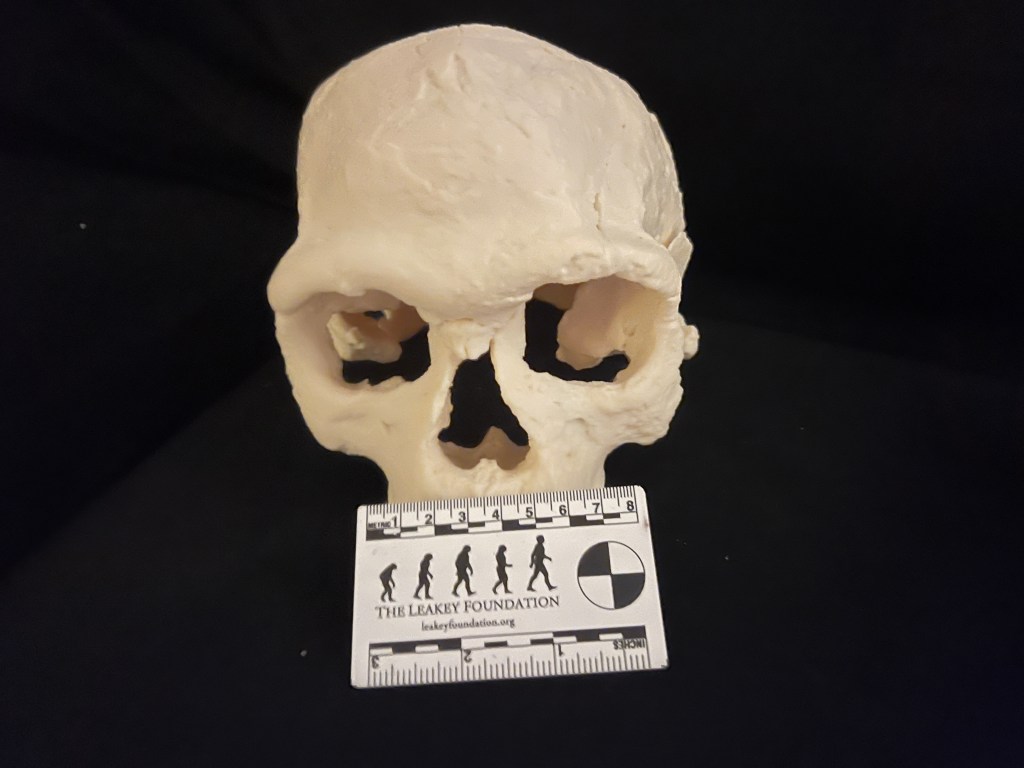
Well, we can go by the oldest Homo sapiens fossils found to date. From Omo 1 and 2 discovered by Louis Leakey, in Kibish Ethiopia, to Jerbel Irhoud in Morocco, and finally to YOU!
The Omo fossils date to about 180k-200,000 years ago, while the Jebel Irhoud remains are closer to 300,000 years old.
As we approach the date, we are now accepting Q/A submissions for our board of experts! Please email your Neanderthal related questions to worldofpaleoanthropology@gmail.com with an appropriate subject to have your question considered!
The Q/A will last for about 30 min, and we will get through as many questions as we can!
***Update***
The Symposium has a date! January 15th at 1:30AM PST! So expect to see it uploaded on January 16th!
I have something VERY #EXCITING and special to announce!
If you have ever wondered about Neanderthals, this is something you are going to be very interested in!
Early in the #newyear, we will tentatively be hosting our very first ONLINE RECORDED SYMPOSIUM!
Between Tom Higham, Chris Stringer, and Rebecca Wragg Sykes, we are going to have a world-class panel of experts to give a sort of #Neanderthal 101 Presentation and answer all your questions!
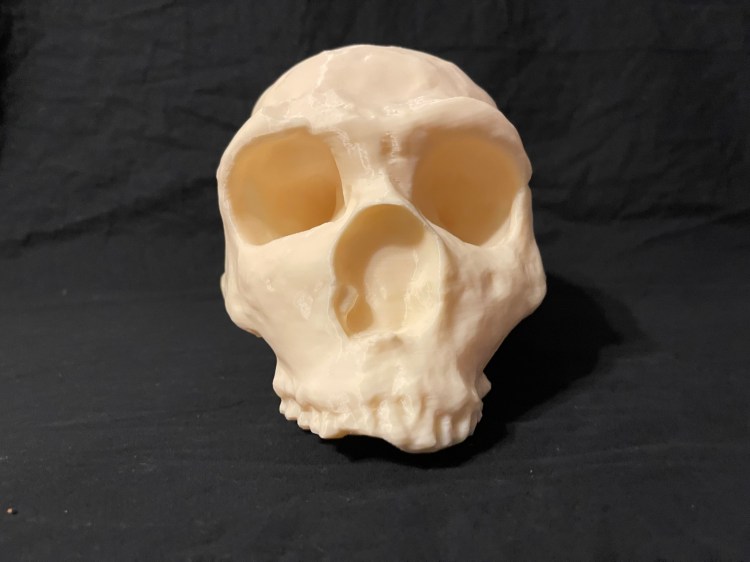
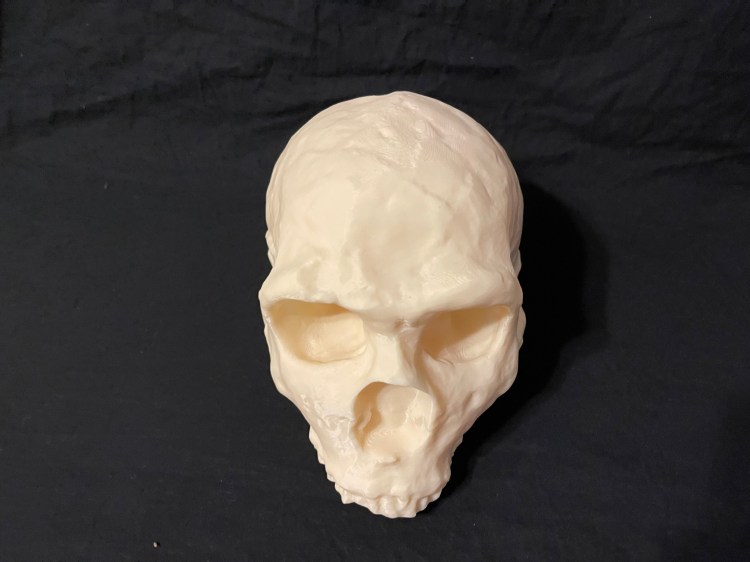
Dr. Prof Tom Higham Dr. Prof Chris StringerDr. Rebecca Wragg SykesLa Ferrassie 1 Neanderthal SkullLa Ferrassie 1 Neanderthal Skull
There will be a half hour of presentations, each split into around ten minutes and then a half hour Q/A period.
THIS IS NOT LIVE
A week prior to the event, I will create a form for people to submit their questions to ask the experts, or that you are curious about. I will pick the ones I feel will provide the best conversation, and we will do that for half an hour.
But wow!!!
Boy, is this going to be AMAZING, some of the top experts in the field, together and at once, presenting an open access #STEM #Scicomm Symposium on a topic that so many people find fascinating but do not know how to approach, or where to look for the proper, and correct information. We want to offer this for free as an educational tool for any of you who may be in the educational field, and a resource for students to use themselves. You are free to share, and use this however you see fit, as long as you credit those involved.
You won’t want to miss this!!!
Expect to see much more news about this in the coming weeks and months and as we get closer to the date, we will release more information.
A big Thank You to all those amazing Anthropologists, and Archaeologists who are participating in this symposium.
If you have any questions or want to see how you can get involved with helping out with W.O.P.A, please email me at worldofpaleoanthropology@gmail.com!
Up until we arrive at this most exciting date, be sure to keep up to date with what we are doing! We just published the VERY FIRST Morphology Video in our new series, you can check that out here:
And beyond that, which I do not know what interval it will be on, but shall become a regular thing, we are of course continuing our interview series, the next interview we shall be posting is with Dr. Becca Peixotto, and we following that we have an interview with the amazing Pat Shipman, AND THEN we have an interview with Author Henry Gee about his new book, and explore some content a little outside of our regular realm, and take a deep dive into biology and the Earth’s history.
And on top of all of that, we are working on projects that we have not been able to even talk about yet! There is so much coming up! The future is bright!
Remember, there is always more to learn!
Want to stay up to date with what is going on with this event, and maybe see how you can participate or help? Check out our Facebook event:
My 3D printed fossil collection that I am creating is not only for my own research and study, but to even more importantly use to help educate you, and any, or everyone else interested.
Stay tuned for our close-up look at the skills and get an introduction to them, and their species. Having a few technical difficulties in getting our first one done, but we are working on it!
But anyway I digress, I have great news!
In the next few weeks, thanks to Prof. Jeremy DeSilva, (Author of First Steps and Editor of A Most Interesting Problem) who has pretty been much solely responsible for the majority of my 3D printed fossil collection, as a very generous and gracious donation to my cause, he is even going to DOUBLE the size of my current collection, even adding some post-cranial bones for comparison! He truly believes in what we are doing here, and I hope to show him proud!
Prof. DeSilva
There is so much we have planned and are excited about! We are going to be starting various new video series, announce collaborative work with some major Global organizations, continue interviewing any and all interested scientists, from students like myself to Masters of the field.
We are going to introduce contests soon to win some awesome prizes, and most of all, we are going to teach!
We are going to help people learn, learn their origins which is just so critical.
And it is all thanks to the people who support us, myself, and science in general. While we are no official organization, we do accept any size range of financial gifts to help pay for equipment, website costs, and if allowed, who knows! The future is, as I have been told by some very *special* people, “limitless”! If there is anything else that you think would help me along as a #Science #Communicator, we would sure appreciate your help in getting it!
I started small, years ago, but look how we have grown! 500,000 visitors a week on our Facebook Page!
It’s insane!
So, thank you, thank you all!
A MASSIVE shout-out to Dr. DeSilva for his most generous, and continuous support, encouragement, and dare I say, mentorship.
Hello and Welcome to the World of Paleoanthropology!
Today we have a wonderful, and very exciting guest ( I mean don’t we always?) with an amazing new book out! “The World Before Us“. Working at Oxford for the last twenty years, he has recently moved to Germany to work at the University of Vienna. The World Before Us is an amazing book detailing our evolution over the last 400,000 years, and discusses us, Neanderthals, and Denisovans! How we are all related, what we have in common, and what we don’t!
Join us for a fun conversation and learn a great deal about Neanderthals, and hear a little about his book! Check out my review of his book here:
Tom is an amazingly nice guy, and we had a great time!
An expert on Neanderthals, Denisovans, and Radio Carbon Dating, Prof. Tom Higham, who now works at the University of Vienna, formerly worked at the Oxford Radio Carbon Excellatrator for 20 years!
It is very well possible that if you have heard of something being dated over the last 20 years, (That dates as far back as 55kya), Tom et.al were involved! Typically for archaeological items, multiple labs are used to cross reference results.
Oxford, is of course, one of the best labs in the World, in part thanks to Prof. Higham.
Join us for a fun conversation and learn a great deal about Neanderthals, and hear a little about his book! Check out my review of his book here:
Please do ENJOY! And leave your thoughts and comments in the comment section below!
Do you have questions about Neanderthals? Let me know and I will try to answer them!
If you are on Academia.edu, please visit my paper there, and let me know your thoughts!
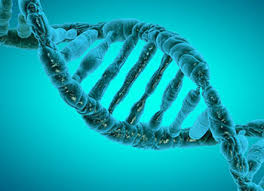
Biology is truly an amazing thing, from the simplest life forms from 3.5 MYA (if not earlier) to today’s vast range of species and creatures, as well as fauna. All of this is powered by something called “genes”. Genes are inherited from our ancestors and parents, and what they do, is code for proteins that allow our body to function in its expected ways. But it gets much more complicated than that, and for a long time, I was taught the Mendelian Principles, which of course still apply, but as I mentioned only breach the surface. We have learned a lot since the days of the Czech Monk. A great deal. I am sure he would be amazed at what we have learned, and stunned at where we are going. So where does this all lead up to? Enter the world of Epigenetics with Richard Francis, who delivers this information in an informative, and understandable way for those who have little experience in biology or genetics. Where to start? How about, everything you know about how behavior and traits are passed on is wrong? Yup.
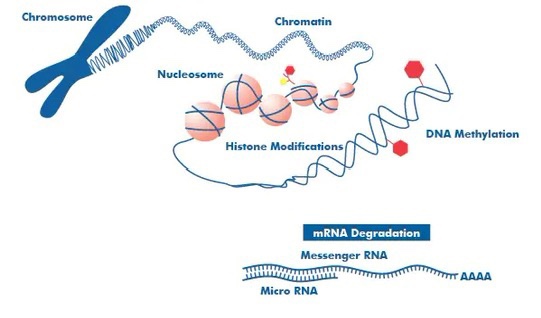
I remember my first Biology class, it was 7th grade, and I learned something I will never get out of my head, based on the ideas of Lamarck, Giraffes, as a perfect and often used example, the Giraffe with the longest neck, or the one who learns to stretch its neck to reach into the higher recesses of a tree, where either more food in general lays, or possibly even more nutritious food. We were taught, that what the Giraffe did, did not affect the genes they would pass down. If the father had a short neck, the child had a 50% chance of having that as well. But is it so simple? In a short answer, no. Certain behaviors do leave markers on our genes, and loci, and lead to changes in the production of proteins. Significant enough changes can lead to phylogenetic changes in a species or subset of individuals. Now we have the idea, which was always there, just suppressed for simplicity’s sake, arising once again in modern culture. There are a lot of rumors, and ideas about what Epigenetics is, and especially what it is not. Unfortunately from the intense study of Genetics and Epigenetics, we also get Eugenics, which we do not need to talk about here. While this last topic is not touched upon very heavily in the book, the author does make it very clear how perverted the early science of genetics became, and the danger it put the entire world in. But the world was not done with genes or genetics, and the Author continues to go on to explain the basics of how genes function, come from the DNA, and are made to code for proteins, etc. The basic process is gone over, which is great for those new to the subject. This made reading the book fun, and easy. I think the author did a great job of taking complicated scientific ideas and making them so that the student, or layman can understand what he is trying to convey. So since we are now introduced to Epigenetics, what exactly are they, and how well does the author explain them, and convey their meaning?
Purchase by clicking on the picture!
One of the important things to understand about this book, and most books on genetics, and the author goes into specifics about this, is how simplified the concepts of dependence of genes, behaviors, and patterns have become. We have the technology and have learned an astonishing amount about our genetic makeup over just the last decade, but science communication has not kept up, and even in many research situations laboratories are still not using what we have learned from genetics. There are still those out there that will argue that there was no admixture between Homo sapiens and Neanderthals. The author believes that it’s time that we shed a light on all of this, and become science communicators who be a guiding hand to those who are interested in learning about these very complex and complicated ideas. Francis has a few ideas on how to mitigate these issues, some more viable than others but he is at least trying to be, what in 2012 was a “shocker”, an open researcher and scientist. Spreading his teachings and working with other scientists to refine his ideas and learn as much as he could, all so he could transfer it to us. Students and Professors like you and I. Science Communication is the future of our society in my humble opinion, the literacy to understand who and what we are, and why we are here, is the ultimate mystery and goal. There are clues, hidden in the sands of Africa, and in our very own DNA to a level so basic it is not even an organelle. There are various common issues that the author described encountering, such as those who steadfastly agree that genes can code for behavior, when only in very specific circumstances, such as in innate behaviors, our DNA is not affected by the life of our parents, save in small ways. We must get rid of the idea that one gene codes for one thing, such as eye color. Many genes, and loci, and DNA goes into deciding that, it is just not so simple.
So, what’s next? What does the author see for the future of genes and Epigenetics? Well, as with most things we have addressed today, there is an easy answer, and a more difficult one. The easy one is that we spread as much education as possible, gather as much data as possible, and bring everyone into it, and get them involved. On the other hand, we still only know so little about Epigenetics, should it be left up to the “experts” in the Ivory Tower? Or should the people be a part of the process? How do we change decades of misinformation on genetics taught in schools around the world, simply because it was “more simple”. Despite all of this, however, the future is bright for Epigenetics, with recent discoveries and the capabilities of stem cell research, severe research into how genes, loci, cells, and nuclei work. We learn more and more each day, but as anyone involved with Anthropology will find, as soon as you find the answer to one question, it just raises many more! So what does the author want us to take away from this book? A few things I think, firstly and most importantly the idea that genetics is nowhere near as simple as we have been lead to believe, or that our common education system informs us of. Epigenetics is not new, it’s just something that has been pushed under the rug due to a dirty past, and yet is a crucial part of understanding how our bodies work in and out. I think it’s important to know that not everything from 1800’s England was right, and some of the people we take theories and ideas from as if they are from the gods, are fallible. Lamarck has been mocked for hundreds of years for his “completely inaccurate” portrayal of genetics as my 7th-grade teacher said. It’s time we open our minds to the possibilities that there is more out there we do not understand, in fact far from it.
So, that brings us to the end of this little write-up/review. All said and done, “Epigenetics, How Environment Shapes Our Genes” by Richard C. Francis is an excellent read for anyone interested in why humans do what they do, down to the bare biological mechanicals of it. What you grew up (assuringly) knowing about genes and genetics is simplified, and albeit not completely wrong, but a very watered-down explanation. Now that we find ourselves where we do now, it’s time to take a look back, at Lamarck, Darwin, Wallace, the big names in the Victorian Age of Science, but how right were they? Did they get the story right? It seems they possibly may have gotten some of it correct, each of them a different little part. Since then, and with the invention of modern technologies and computers, we have been able to discover so much more, and it has lead to so many answers, but so many more questions. We discovered Epigenetics, and the horizon is endless.
Join Seth in the World of Paleoanthropology as he gets a notoriously famous Paleoanthropologist on the show.
One of Lee Berger’s postgrad advisors, and well known for his work at the University of Wits as a lead Paleoanthropologist before returning to the U.S.
On our show here, we would like to begin offering a varying range of ideas and opinions on our Shared Human Origins. We might have different ideas and methods, but we should all be a team with the same goal. To find what unites us.
Check out our chat, and let us know what you think!
Look for our next interview in the coming weeks with Prof. Tom Higham about his new book “The World Before Us!”
I missed a VERY important anniversary to tell you guys all about yesterday! Not far from Olduvai George, a famous #fossil locality that was frequented by the Leakeys and colleagues, and a very important place where many lithic (stone) tools have been found, at first believed to be from Homo habilis, the first of our genus, but now is thought to be pushed back much farther in time to the Australopithecines.
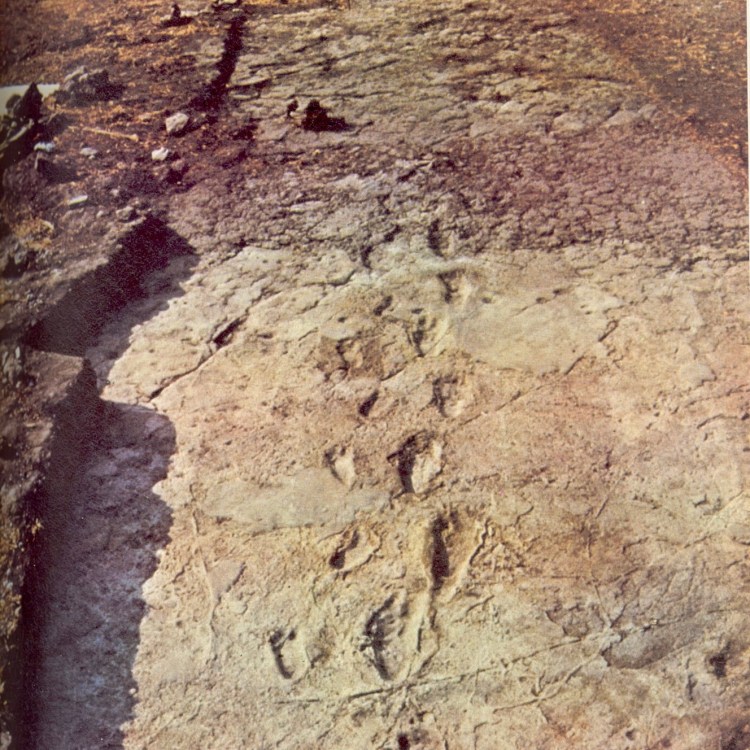
Well, not far from here, on another excavation, Mary Leakey, wife of Louis Leakey, and discoverer of Zinj and many other important finds, hit the jackpot once again! Amazingly, she came across a 75-ft trail of hominin footprints!!! It was unlike anything ever seen before!
So what does this mean? Well, as you can tell that is a two-legged, upright walking animal. This means they were #bipedal, which only has occurred habitually in those of our clade, the Hominid family. This was proof, that our ancestors were walking upright at least 3.7 mya. This was the proof that so many had been looking for!
Many more footprints of hominins from Africa and Eurasia have been found since, but there was something special about these, and they’re still is today.
After later excavation by the #Leakeys and Dr. Tim White, it was concluded that the footprints must belong to #Australopithecus #Afarensis, or the species “Lucy” belongs to. Discovered in 1976, this would change our view of humanity forever.
Look at that!
What do you think about this?
Do a little research on the topic and lets start a discussion!
What do you think the #significance of this find is to our understanding of #Human #Origins?
This is a new book, published this year around the world, and most recently here in the U.S just the other week!
Well, I had a chance to “sit down” with the author, Tom Higham, and discuss the field of Anthropology in general, Radio Carbon Dating, and of course, his new book!
So to go along with our video, we are going to have a quick, but informative review of the book.
I am going to reveal the review first, and then will be posting our interview at a later time. But I wanted to get this out now!
Ok, so let me start by saying, I am so delighted to see how many Anthropology books have been published in just the last year. This field is picking up, new blood enters the field each day. The older generation of Anthropologists, such as those of the famed “Hominid Gang”, those that followed was a very different type of scientist, those such as Chris Stringer, Lee Berger, and Tom himself.
Originally from New Zealand, and who has since called many places home, Professor Tom Higham worked at Oxford in the Radio Carbon laboratory, and now finds himself at the University of Vienna, Germany, is one of the nicest people I have talked to, and I just can’t wait for all of you to watch our talk!!
It’s also the first video with our new equipment! So that will be fun!
But back to the book!
So, being an expert, and I do mean that, one of the world’s most renowned Radio Carbon Laboratories in the world, Tom knows a good deal about this technology and how it works.
Since his age range is boing back about 55k years, his studies surround Anatomically Modern Humans, Neanderthals, Denisovans, and pretty much all Hominins at some point. His masterful way of explaining the complicated concepts that he was communicating is fleshed out in this book in such a way that anyone can pick up the book, and be transported back about 400,000 until today.
We learn all about the daily life of Neanderthals, and how their culture was so much more advanced than anyone would have thought just twenty years ago. We learn about their anatomy, morphology, and culture. We learn about their evolutionary history and how they relate to us. Everything is explained so concisely and in a way that flows very naturally.
We then, in the book, travel around a few couple thousand years or so. and discuss the lesser-known Denisovans. Tom has spent an impressive amount of time in the Altai Mountains working on dating these incredible fossils, adding to the story of human origins.
Eventually, we get to us, (Homo sapiens) and learn about our divergence from a common ancestor with Neanderthals.
The book is well written, clear, and readable at any level. If you want to learn about the Neanderthals, or any Hominin for that fact, that lived in the last half a million years, The author uses common language to describe complex scientific theories and ideas, concepts, and notions.
Along with Kindred by Rebecca Wragg-Sykes, this is easily in my new top 10 Modern Anthropology Books, and it is a premise source of information for Neanderthals, and other humans living during that time.
Neanderthals are so delegated to the “Caveman” stereotype, these books will end that for you immediately. They were our cousins, closer to us than we can even imagine. So much closer to ourselves, than scientists ever thought!
They had rich, diverse culture, critical thinking, language, art, and so much more.
Not only is this a great way to learn about Neanderthals, but it is also a great book to start off learning about Paleoanthropology.
Long story short, this book is a great example of science communication, which is becoming more and more important in our everyday lives.
So, the last thing I’ll say about Prof. Higham’s new books is….
So, I’m ok at genetics, I’ve never studied it specifically outside of Bio 101, but I can keep up.
First week of Human Behavioral Evolution class and
💥 BAM 💥
Epigenetics
“You know how, in all k-12 and intro college classes about biology or anthropology, that evolution does not work by traits gained during an individuals life, rather how successful the genes were for their individuals environment.”
Right?
The giraffe 🦒 that the learns to stretch its neck that eats more, doesn’t pass on its now stretched neck…..right?
APPARENTLY NOT.
*Traits gained during life can be passed down genetically”. Excuse me? WHY THE LIES?!?! Why didn’t we learn this from the start! Now I have to UNLEARN things! IDK who came up with that idea, but it sure was not a good one.
When I learn more, I’ll do a write up! #anthropology #AcademicChatter #skeleton #scicomm #archaeology #stem #anthropologymatters #Homo #Species #morphology #paleoanthropology #education #Human










 World of Paleoanthropology