The author plans to move to Portugal’s Côa Valley to deeply engage with Paleolithic rock art, viewing it as a living expression of human connection and cognition. This journey is about listening to ancient voices and understanding their significance, drawn from a personal and academic commitment to anthropology and human history through modern technologies.
Tag Archives: #PaleolithicArt
The Echo of a Hand Across Millennia: Decoding the Cave Hand Stencil
Hand stencils, created by ancient humans using natural pigments, represent some of the earliest expressions of identity and belonging. These artworks, found in various locations worldwide, highlight the cognitive sophistication of early societies and reflect complex social structures. Evidence suggests that women and children actively participated in creating these stencils, emphasizing cultural transmission and inclusivity. The presence of deliberate details, like missing fingers, indicates a deeper symbolic significance often linked to spirituality. Discoveries of Neanderthal-made stencils challenge previous perceptions of these early humans, showcasing their creative capabilities. Ultimately, handprints serve as a timeless connection to our shared humanity and urge reflection on our desire for recognition and permanence.
The Lost Canvas of Humanity: What the World Would Look Like If Paleolithic Rock Art Survived
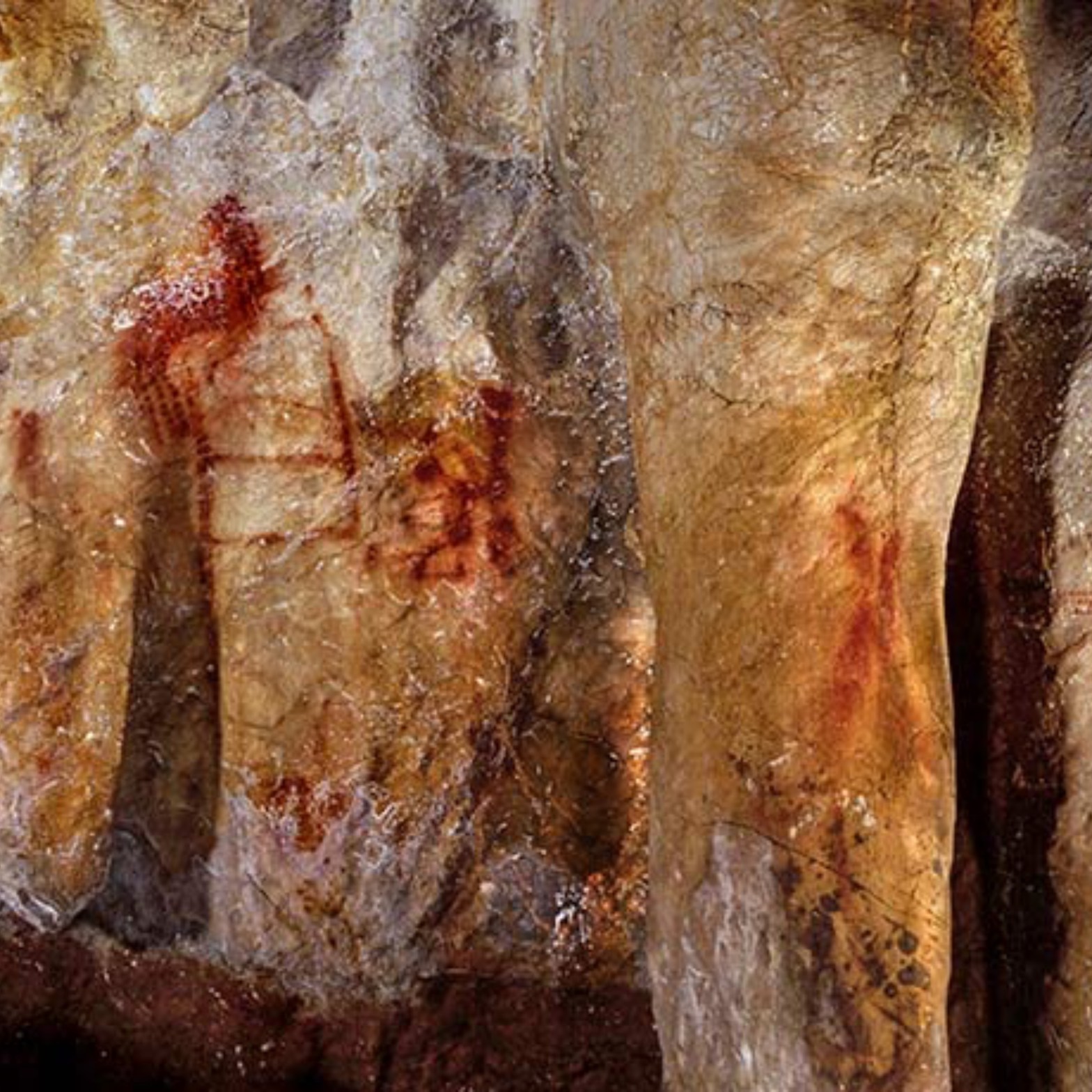
The Paleolithic era likely featured abundant rock art beyond caves, illustrating early human creativity and communication. Unfortunately, much of this open-air artwork has been lost due to weathering and erosion. Remaining sites, like those in the Coa Valley, reveal a glimpse of what once existed, suggesting a vibrant, artistic society. If more had survived, our understanding of prehistoric people would be richer, showcasing art as a vital part of daily life. This loss highlights the transient nature of human expression and its enduring significance despite impermanence.
Exploring Human Expression: The Origins of Art and Symbolism

The origins of art showcase human creativity’s deep evolutionary roots, extending beyond Homo sapiens to include Neanderthals and earlier hominins. Discoveries reveal symbolic expression dates back over 500,000 years, suggesting complex cognitive abilities and the importance of art for communication, spirituality, and social cohesion in ancient societies. Creativity connects us to our ancestors.
 World of Paleoanthropology