Interview #25! Chats with an Underground Astronaut!

This time on the show we have another awesome guest, Becca Peixotto! One of the original Underground Astronauts called into service by Dr, Lee Berger in 2013, she has had a wild ride ever since! 

From going deep underground and working with some of the best minds in Anthropology, to having her image made of wax as part of an art piece showing off the potential of Women in STEM! 

An educator, explorer, archaeologist, and down right awesome gal, Becca was a wonderful guest to have on the show! We would be happy to have her back any time! 

I hope you enjoy the interview, if you have any comments or questions please feel free to contact me and let me know! All comments and questions/criticisms are welcome! 

Let us know what you think! 

If you would like to be on our show, please contact us at worldofpaleoanthropolo@gmail.com


Thanks, and Enjoy! 

Seth 

Project Director 

Newly Discovered Fossil Footprints Carry Implications for Cause of Megafaunal Extinctions

By Claire Brandes

Within North American archeology, conventional wisdom has it that the Clovis people represent the continent’s earliest occupation around 12,000 years ago, after the ice sheets of the Last-Glacial Maximum, which would have made it impossible to travel via Beringia, receded. These early hunter-gatherers have long been blamed for the downfall of many megafaunal species, including the wooly mammoth. Not only are they known for their distinctive spear points thought to have been used to hunt large game, the extinction event during which 35 genera of North American megafauna met their demise occurred roughly in tandem with the arrival of the Clovis people. However, new research suggests that this damning evidence may turn out to be merely circumstantial, after all. 


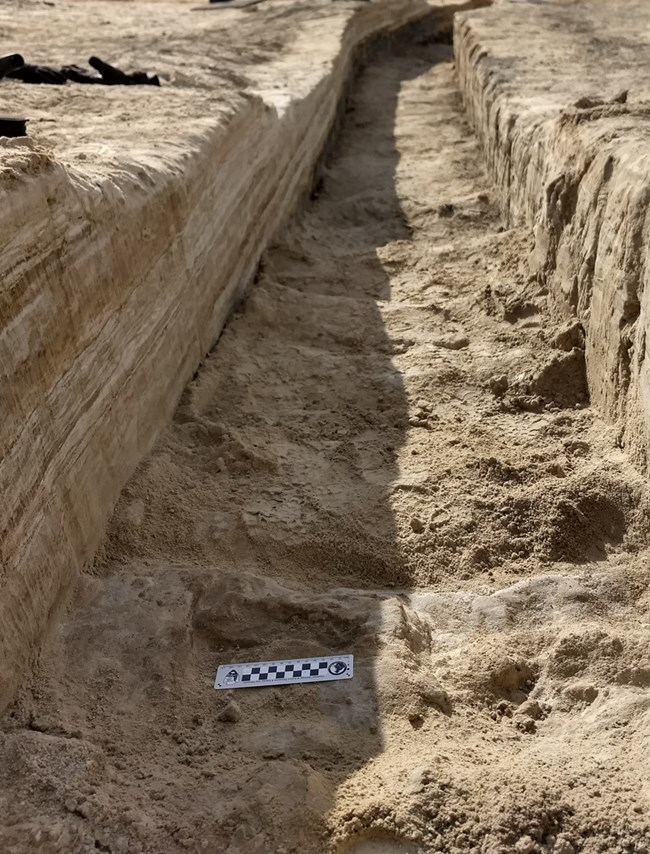
Fossilized human footprints discovered in White Sands National Park, New Mexico have provided new evidence surrounding the peopling of the Americas that may exonerate the Clovis people. Researchers involved analyzing the footprints applied radio-carbon dating to seeds found in sediments surrounding the footprints as well as the layers above, and below. Their results, published in one of the most prestigious academic journals, Science, date the footprints to 23,000 years ago, pushing humans’ arrival in the Americas back by millennia.   


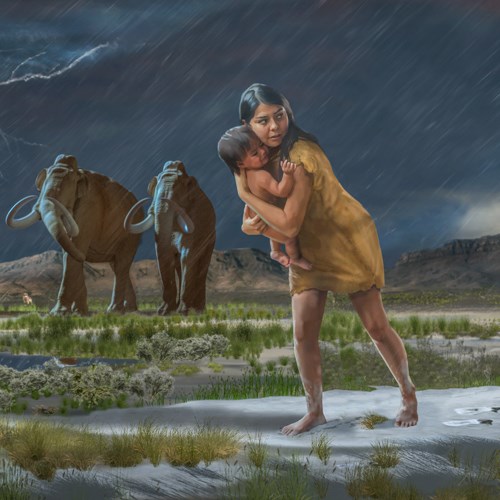
Even more interesting are the mammoth tracks found in the stratigraphic layers meters above the footprints’ location. As it turns out, early Americans coexisted with megafaunal species for much longer than previously thought. Dr. Sally Reynolds, paleontologist at Bournemouth University and co-author of the publication, commented, “It may well be that the humans were harvesting these megafauna as part of their killing and their hunting more sustainably in the earlier years, and potentially through time, as the populations grew, the balance of power shifted and the humans started perhaps overharvesting these megafauna.” 


In accordance with this theory, several scholars have produced studies that suggest early humans were incapable of causing the complete collapse of the megafauna all on their own. Researchers with the University of Utah Department of Anthropology, David Byers and Andrew Ugan concluded that based on the caloric value of a mammoth, early hunters would have expended more energy than gained by exploiting these animals as a food source, thus discounting the plausibility of large-game specialization in the Pleistocene. Nonetheless, researchers have found definitive proof that early humans must have at least occasionally hunted megafauna based on archaeological kill sites attributed to the Clovis people. 


In summary: while early humans certainly hunted megafauna, it is unlikely that they relied on these species to sustain them. Furthermore, fossilized footprints suggest that people arrived in the Americas long before megafaunal extinctions began to occur. Where does this leave us? In line with Dr. Sally Reynold’s thoughts about the matter it seems most likely that, while humans were able to hunt megafauna sustainably, something happened that caused overharvesting to occur. One possible cause is the climate change that occurred during the Pleistocene epoch. Complicating this debate, it remains unclear when continuous occupation of North America truly occurred. Are these fossil footprints indicative of a large human population in the area? 


Despite the uncertainties that remain, this discovery provides an amazing look into the past, and is celebrated by paleoanthropologists as we continue to uncover details about human origins.

Learn More:


Author: Claire Brandes is a 4th year anthropology major at the University of Georgia with interests in paleoanthropology and paleoecology. She intends to enroll in an anthropology PhD program for the Fall of 2022. 


References:

Bennett et al. (2021). Evidence of humans in North America during the Last Glacial Maximum. Science, 373, 1528-1531. 

Bulte, E., Horan, R. D., & Shogren, J. F. (2005). Megafauna extinction: A paleoeconomic theory of human overkill in the Pleistocene. Journal of Economic Behavior & Organization59(3), 297-323.

Byers, D. A., & Ugan, A. (2005). Should we expect large game specialization in the late

Pleistocene? An optimal foraging perspective on early Paleoindian prey choice. Journal of Archaeological Science, 32(11)1624-1640.

Gershon, L. (2021, September 24). Prehistoric footprints push back timeline of humans’ arrival in North America. Smithsonian Magazine. 

Neanderthal Symposium Updates!!!!

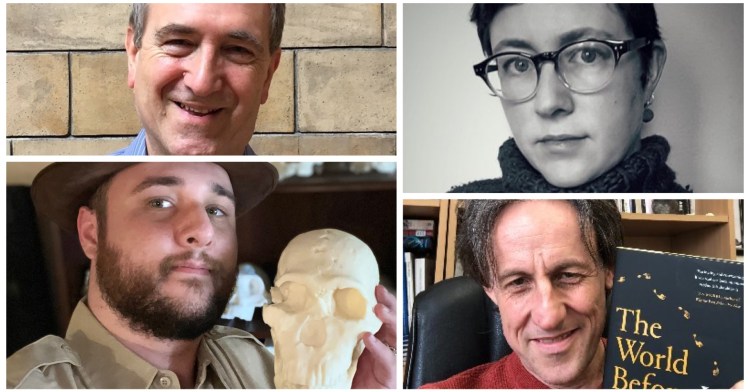
Join us for a Symposium on Neanderthals featuring Dr. Chris Stringer, Rebecca Wragg-Sykes, and Prof. Tom HIgham!


A World-leading panel of experts on Neanderthals, this is not going to be something to miss!!!!


This event is not live but will be posted on the 16th of January, vs. the 15th. (Time difference issues).

All four of us are utterly excited to be bringing this to you! We will open up the questions for the Q/A a few weeks before the event!

Each panelist will have a ten minute presentation, and then partake in a half hour Q/A discussion!

Its going to be great!

Stay tuned and spread the word!

Facebook Event:

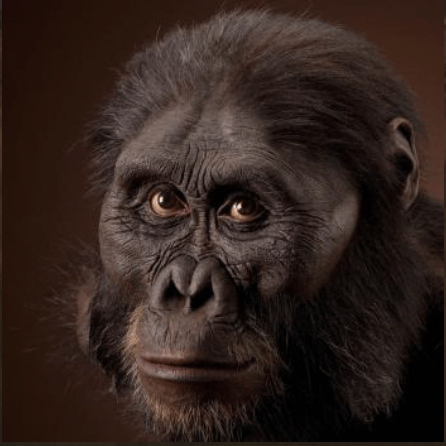
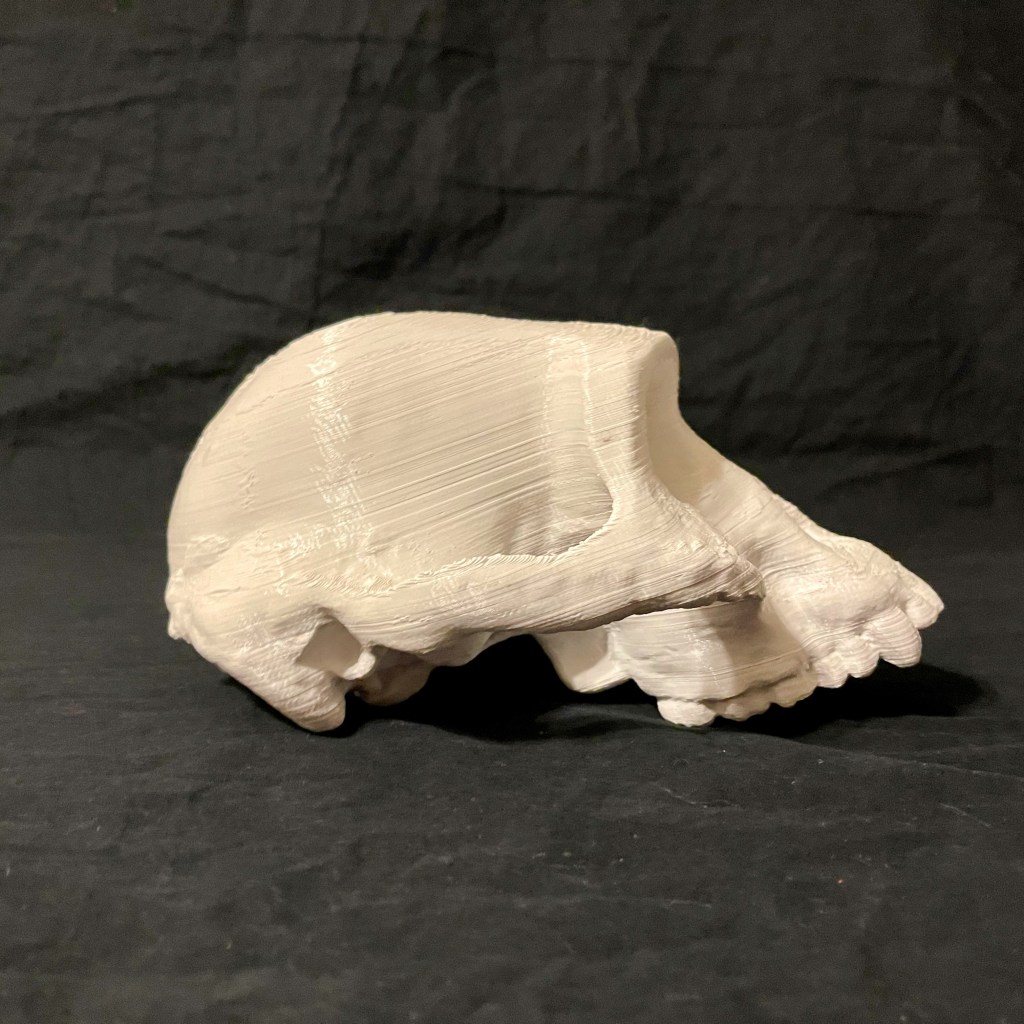
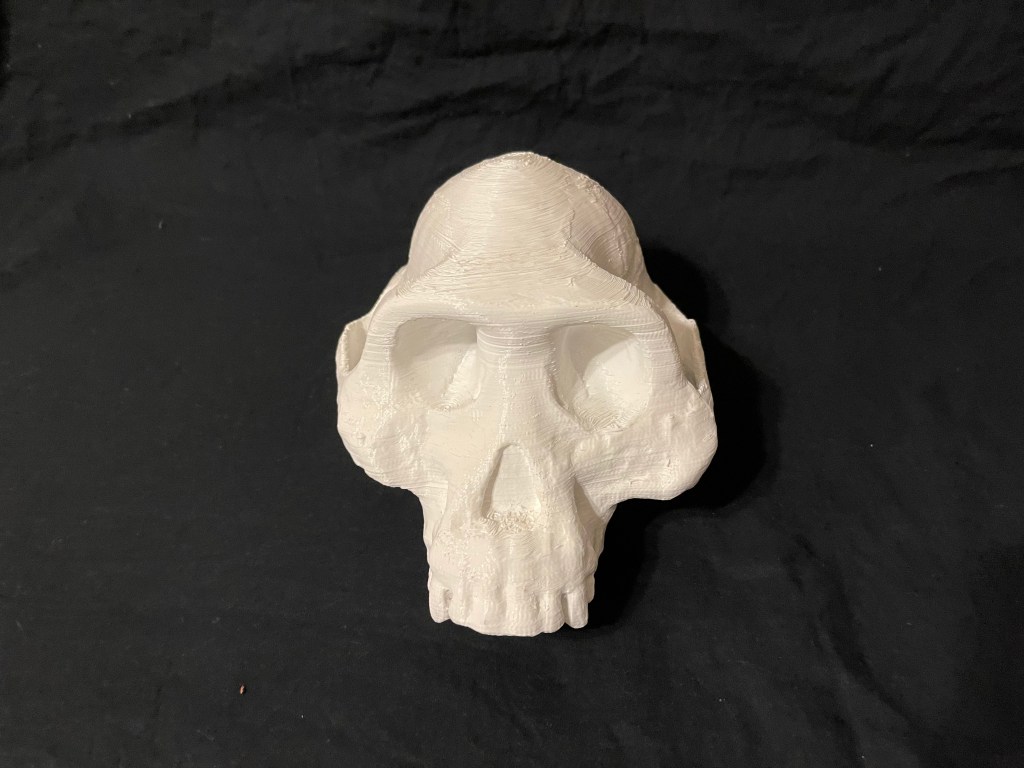
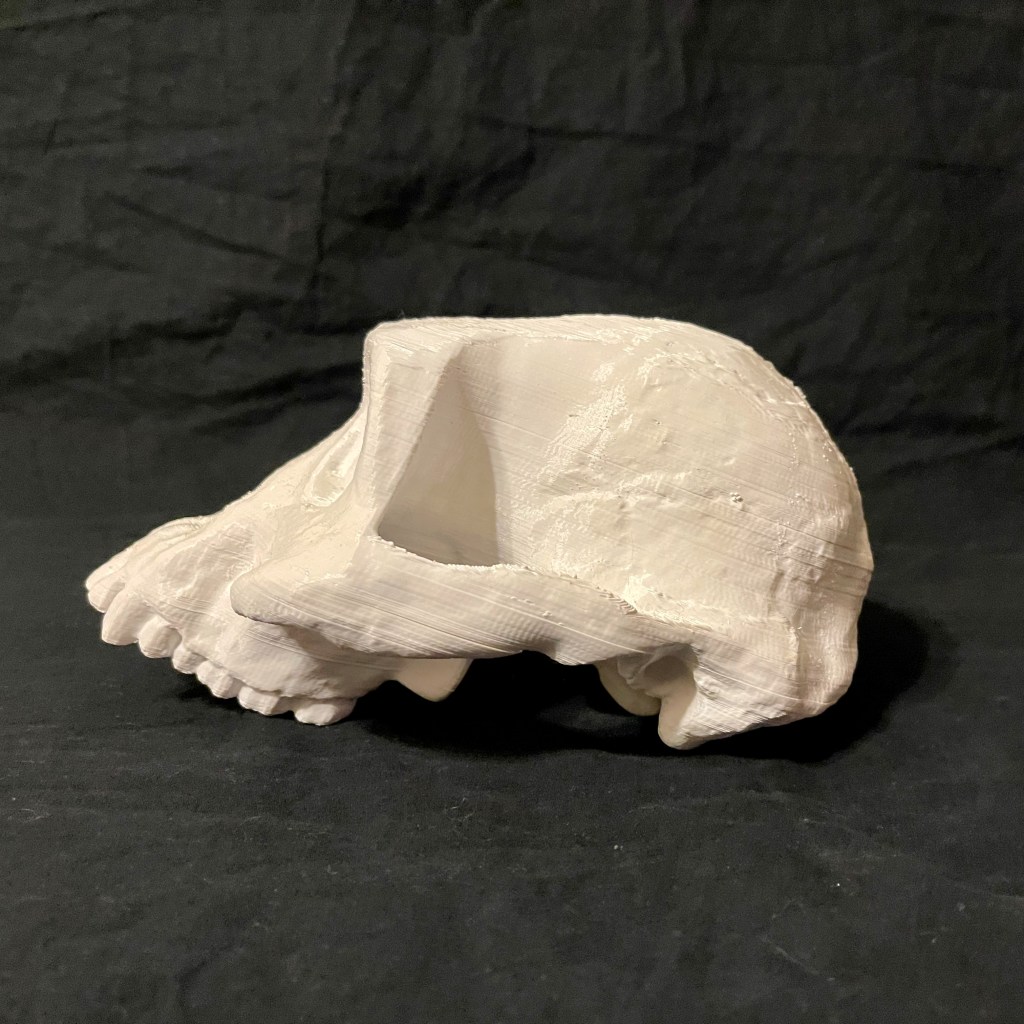
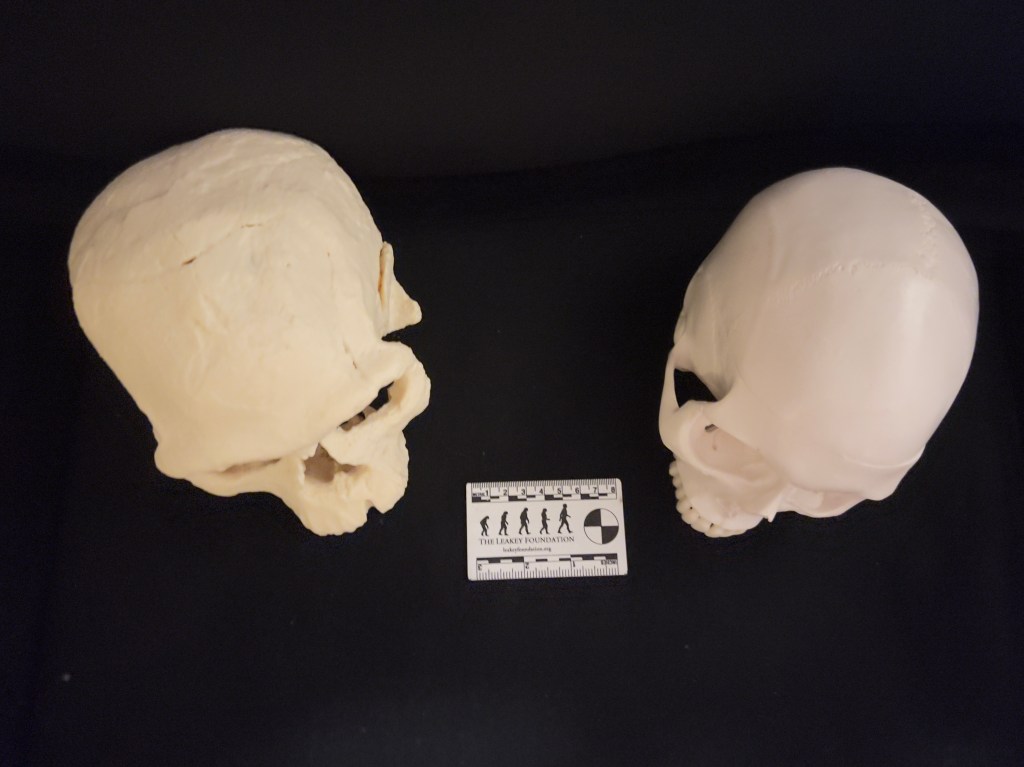
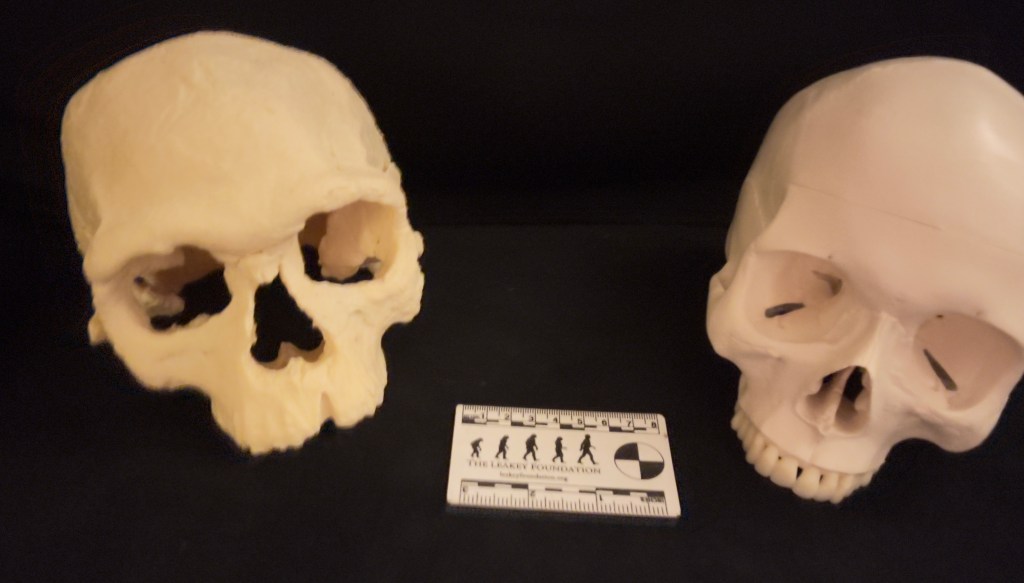
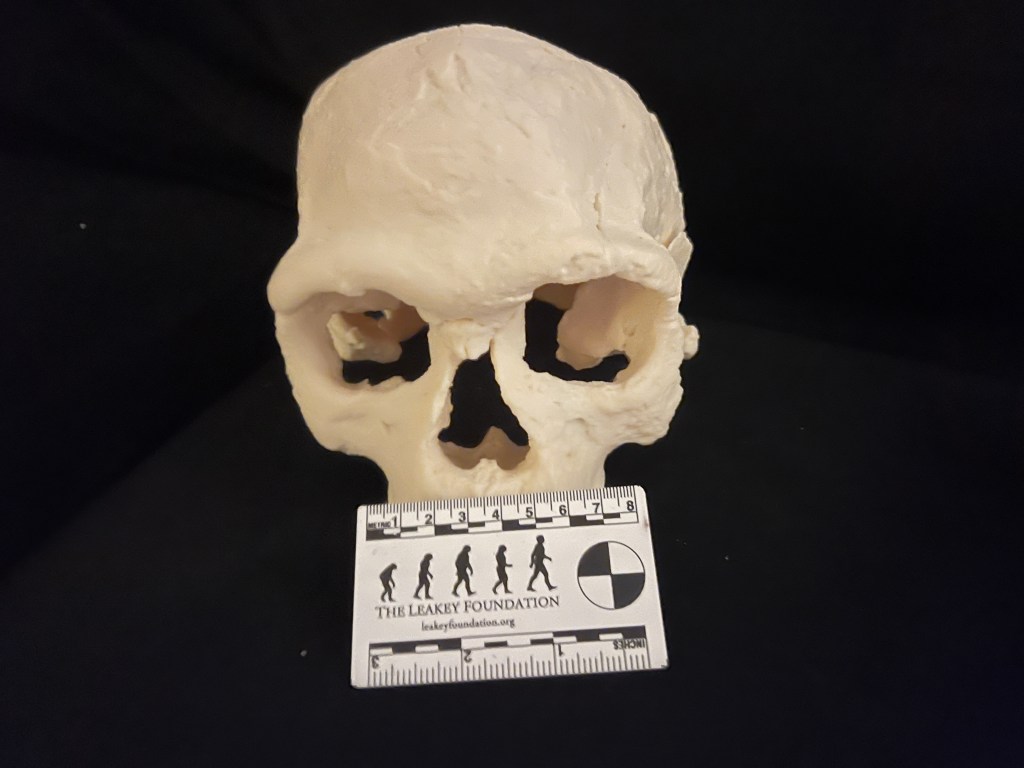
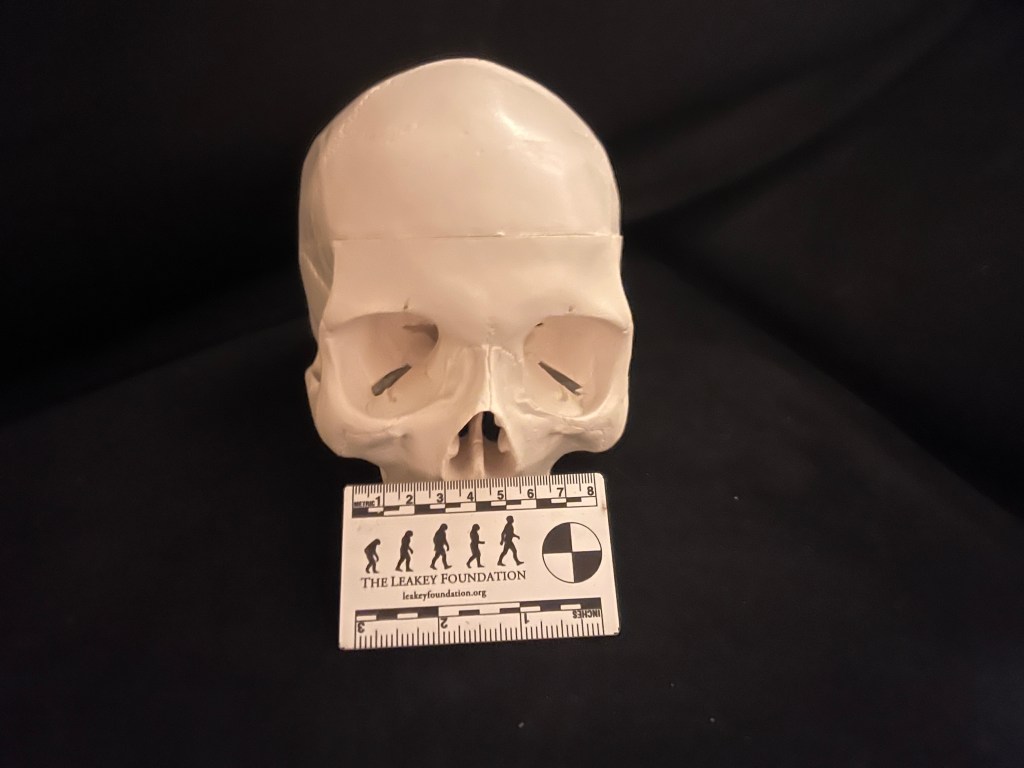
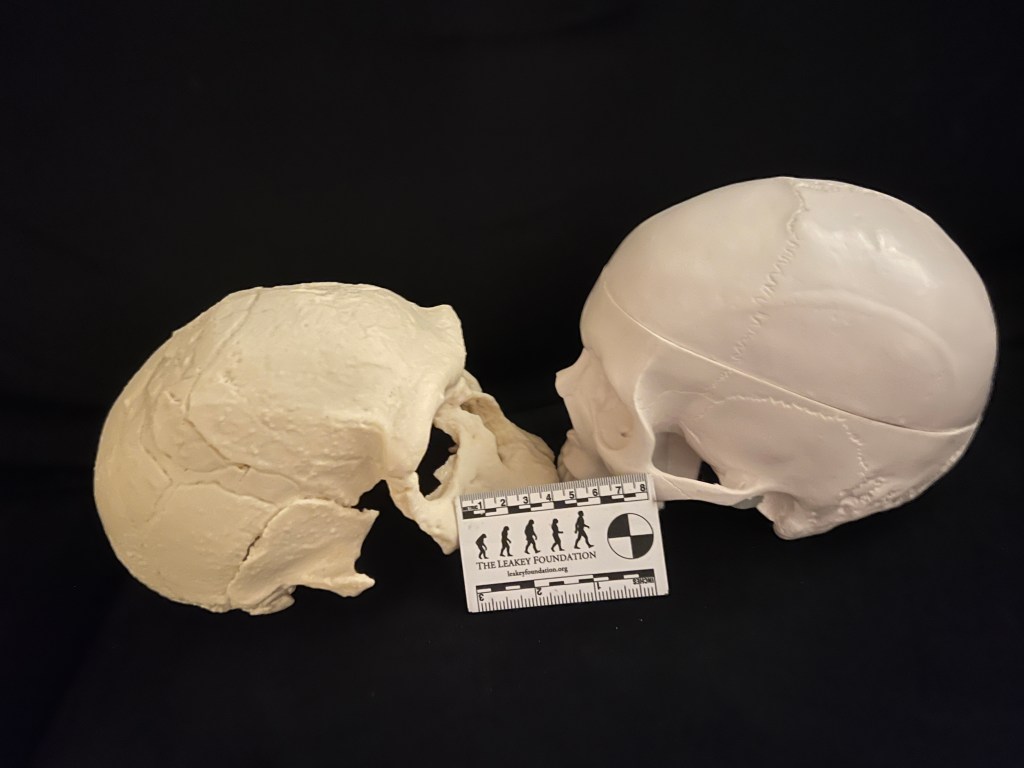
Cranial Morphological Comparison #1 A. afarensis!-Lucy!!!

Wow! I feel like this time has been coming for so long, and I am so glad to finally have reached this point where I have this to present to you!

Please do not hold back, the only way I can improve on my videos and skill set is based off of constructive criticism, but please do me a favor by being fair, as this is the first video of its kind I have ever done.

I shall be doing these on a regular basis, and as I add to my collection!

I hope this can be an educational tool and resource for anyone out there who needs it, from teachers and schools to professors and institutions! Please, feel free to share and use this video in anyway you see fit, we just ask that you of course, cite your source.

This is but the first of many my friends!

Well, without further ado, here we go!:

So let’s learn a little about the species that I did not include in the video, in my next video I do want to include more information about the species, as this was my first video, some things slipped my mind that I wish was said.

FROM THE SMITHSONIAN OF NATURAL HISTORY

The Independent Gene, a Review

Seth Chagi 

Prof. Christina Campbell 

Anthropology 423 Human Behavior: Evolutionary Perspectives 

October 13, 2021

Nature vs. Nurture, How is this Still an Argument? 


If you have access, you can also view and discuss the paper here, on Academia.edu.

In the “Dependent Gene” by David S. Moore, we learn a great deal of new things that the general public is not familiar with. Rather, id say we have even more to unlearn, but either way, Dr. Moore guides us along the path. The most important thing about this book is to come away from it with a better understanding of genetics, specifically the traits that they may, or may not cause. Without a base understanding of even “old” genetics and this book may get a little confusing. But the author does his best to navigate the waters of scientific vernacular. As mentioned, there is an old view on genetics, and what is now considered a new approach. We have come a long way with our understanding of genes, genetics, and how they are passed down. Way back in the days of Aristotle, we even thought it was possible that all the eggs a female possessed, had the entire animal inside them, fully formed, just on a miniature level. And then once they are born, or become pregnant, the animal, whatever it may be, will grow to the proper size of a newborn. Today, we know that things work a little differently than that and that genetics, and how traits and DNA are passed down are much more complicated, and for generations, erroneous ideas have run rampant. Genes, do not determine physical or psychological traits, they contribute, but they are not fully responsible. It is a combination of your DNA, your “Nature”, and the environment in which you were conceived, all the way through the end of your life, the environment adds, detracts, and changes from, we call this “Nurture”. Often this comes to a climactic point, but I hope that this paper will shed light on the complicated subject of Nature and Nurture. 

            So then, if one gene is one trait is not a correct view, despite it being a prevalent one, how does it work? Well, it’s a combination of both! The world that we are formed in, and live in thorough out our lives, plays a major role in our behaviors, and traits that we show physically, and just why and when we do. But, this knowledge is relatively new, in the world of Anthropology, which is only 2-300 years old, (Official Formed Societies) a few decades can change almost everything. When this book came out in 2003, it most likely sent everyone into a tizzy. Not to mention that was the year the Human Genome Project was completed, we had just begun to learn about our genome and genetics. And finally, here maybe was some proof and evidence to back up Moore’s ideas. The most important thing that we have to consider when reading this book, however, is that traits are not determined by just genes or just the environment we live in. It is a complex hierarchical series of interactions between the two that makes us who we are, and determine how we act, and respond in specific situations. The perspective that Moore suggests, for this idea to be the only one, and strongly so, is that of the Developmental Systems Perspective. What this means, is that A. We are not formed completely at the time of the egg’s formation, we change, adapt, and grow inside of our mother’s wombs until we are ready to be born. Everything that affects us in the womb, will play a major role in our development. From the nutrients, the Zygote is consuming and given, to the stress of the mother herself! Then, we can be pushed into the real world, and everything changes, our minds, and bodies are immediately exposed to an infinite amount of stimuli. Rarely can we just phase into our new roles in life. And oftentimes, things that we do when we are younger, we learn, through living, watching, and experiencing, that perhaps our behavior needs to be reviewed, or changed. Developmental Systems refer to the science and know-how of genes, and traits. The actual argument of Nature vs. Nurture, and while this is commonly used to refer to the LGBTIA+ community, I want to be clear these rules apply, and or more importantly do not imply just “the gay gene”, but rather all of our traits. We are formed both by the love and care we received as a child and from the DNA that our parents provided. There is no way to predict how the two will interact, and that is one of the major issues with cloning, we can do it physically, but it is not the same animal. We are products of this duality. 

            So then, what are we to do with this information? Well, that’s a more tricky question, as this information, this knowledge and data, if given to the wrong groups of people can be used for…there are no other words but evil. Chief amongst these groups of people to use genetics negatively were of course the Nazis. They ran countless horrific experiments and tests on a wide variety of people This is where Eugenics comes in. I don’t know if we will be covering that in this class, I do not think so, so I will leave it at that. The dangers of genetically based judgments are something hard to stay away from when you are elbows deep in these discussions. Often, too often, scientists will fall into traps laid out for them, to make them, or the field looks bad. But as we know today, the traits that the Nazis and others were looking for, are not attributed to a one-to-one gene ratio. Just as there is no “Gay Gene” there is no gene for blue eyes either. Does the DNA contribute and help with the outcome? Absolutely! But that’s the thing, it is a split, a cooperative effort of Nature vs. Nurture that allows us to adapt and survive within our own lives. It is not “Nature vs. Nurture”, it should be “Nature and Nurture.” Without their delicate and complicated set of reactions, we would be a much more bland animal and one that may not even be capable of surviving. 

            So then, what is “The Dependent Gene”? Well, I would have to say that the reference is to the idea that genetics alone can not get the job done, it needs help, I think the idea is, genes are dependent on the environment they find themselves in, and not just making “decisions” on bodily functions and behaviors on its own as it was once thought, and is continued to be taught in lower education and places without access to up to date scientific information. It is hard to change the minds of people who have thought one thing for so long, generations in fact. David S. Moore’s book completely challenges those ideas and hopefully will lead to a better understanding of the, when you think about it, simple idea that it is not just so simple as Nature vs. Nurture. But a much more informed and educated population, who can better grasp where we come from. As a Paleoanthropologist, this is a little out of my direct field, but it seems to me, that this idea makes perfect sense, and I do not see why people would argue with it, or what other ideas they may have to counter it. Of course, there are dissenting opinions and different views and methods of collecting data, it all seems to point back to the same thing. Nature vs. Nurture is a fallacy, one that we have had drilled into our brains so that we never questioned it, for whatever reason. But it is time to throw the sheets off and bring this book, Prof. Moore’s ideas to the front line. 

            I enjoyed this book, I learned a great deal. I knew genetics and trait dispersal etc. was not as simple as I was being taught in say, Biology 101, but even after just reading the introduction of the book, the hypotheses made perfect sense, and I had to concur with Prof. Moore. My entire life, as most of my classmates have, have lived in a world where everyone is questioning, “Am I a bad mom?” Is that while my child turned out this way? “Did I pass this on to my child and now they have to suffer”, some of these questions can be put to rest if this idea is accepted. There are just some things that are completely uncontrollable in the behavioral development of any animal. Often this occurs in orphanages specifically. Let’s put Nature vs. Nurture to rest, shall we agree to finally understand that it is in fact both! The two work in tandem to form what ends up being an adult, and hopefully functioning at that. But of course, things like mental illness can have a major effect on that, depending on the genes passed down from each parent. We humans think we have mastered it all, and understand everything, but there is so much left out there to learn, so much more knowledge to gain! With the aid of this book, I hope that I can personally help re-educate some people about what we all learned in grade school, and in unfortunate cases, all the way through first division courses. It is only when we get to the point of your class Professor, is when I suppose the institutions think we can wrap our heads around these complicated processes, and while there is of course much more to learn about this, and the complicated hierarchy they form, its time to acknowledge not every case of anything will prevent the same in two different people who have had completely different lives. We need to acknowledge that, even things like income and affect our development in the womb or as a small children. The Independent Gene does not exist, for any trait, there could be various genes involved and the influence of the outside world. The better we understand this, the more we will be able to help our own, and other species during these perilous times. 

Exciting Update!!!

We have some exciting #News!

First off, an apology, we are so behind on getting the Cranial Morphology videos out, it has been tech error after tech error.

But I can proudly say the studio for it is finally built, and recording should start Wednesday, with releases as early as that night!

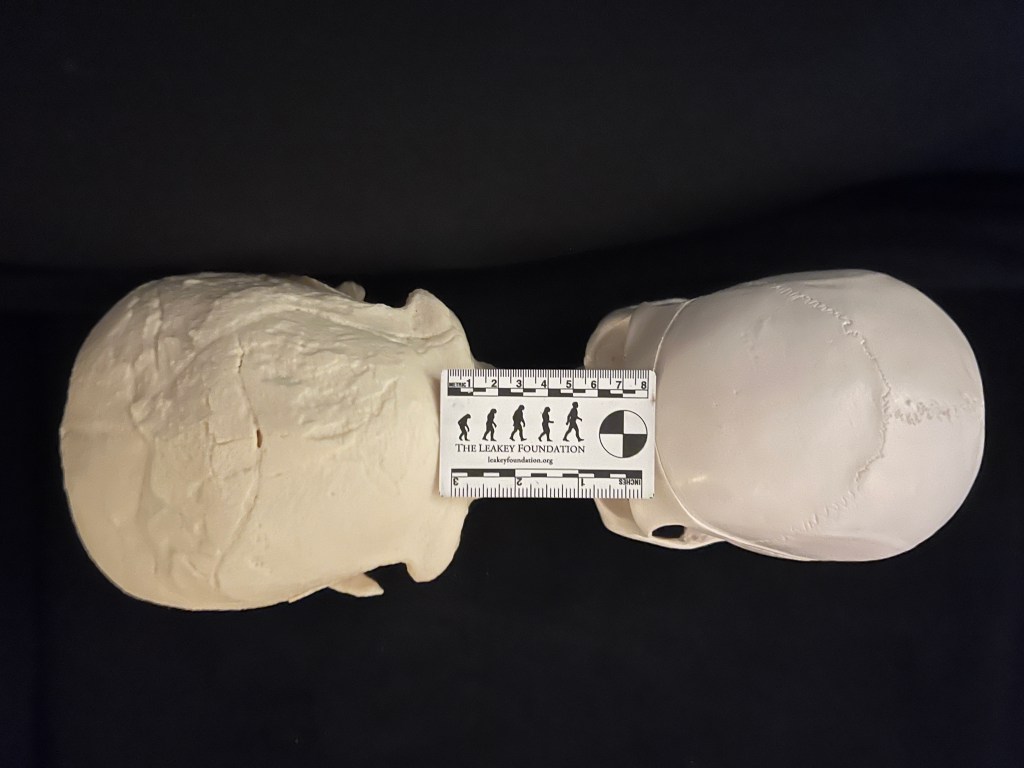
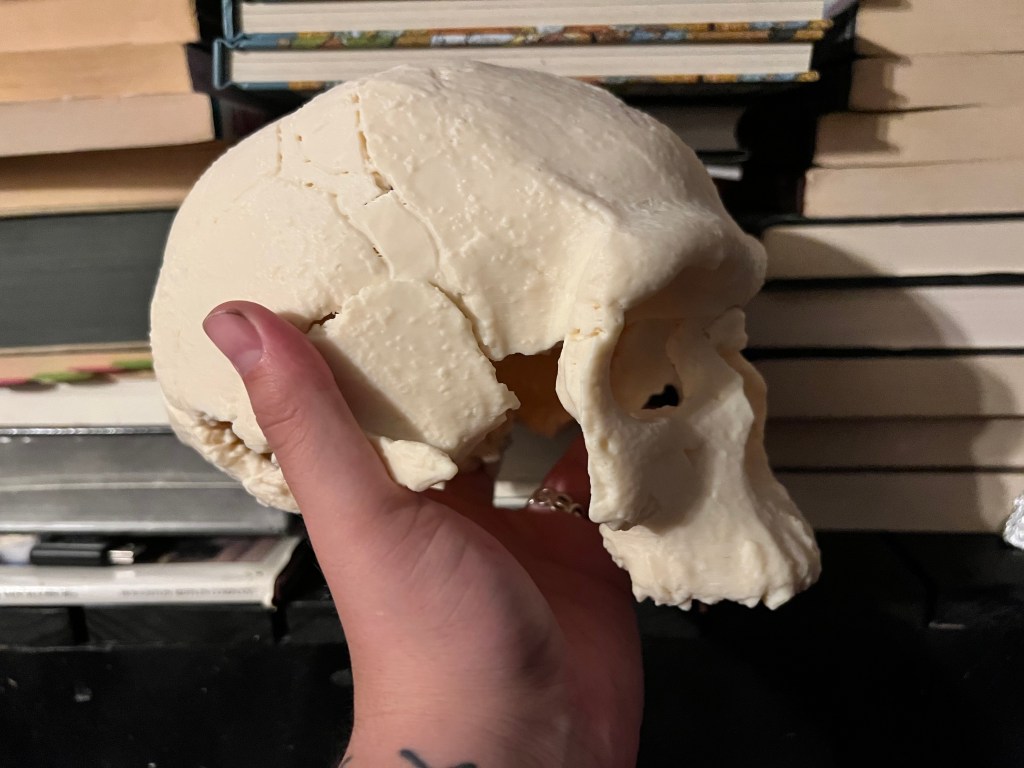
As voted on, we shall be doing our first species introduction, and comparison to an AMH on A.afrarensis, or Lucy’s species.

We know alot of you have been waiting patiently for this, and we are very excited to finally get this going! Again, a huge shoutout to Prof. Jeremy DeSilva for providing the skulls! (P.S, even MORE are on their way, so this series is going to go for a long time!).

Stay tuned!

Social Media and the Best News and Discussions!

Hello!

I sure hope that you are learning and enjoying all that we have to offer here from World of #Paleoanthropology (WOPA) on #Facebook, as well as our website.

We have a group/page (depending on where you are reading this) as well just in case you were unaware!

While we have a very large reach and audience on Facebook, which is great, we are in fact on other social media. One thing that I have observed since I started this “little project” is that, while there is a great deal of information of Facebook;

A. A whole ton of it is incorrect, and not backed up.

B. The academics, while some are present, are not really using Facebook to share their content or research. Which makes thinks more difficult for the everyday anthropologist, but makes places like us VERY useful, as we get all that information as it comes out and get it straight to you!

However, if you want even more, check us out on #Twitter @WrldOfPaleoAnth and see the constant, and on going academic discussions between real, professional #researchers, #scholars, and #professors.

This is where the real stuff is, straight from the mouth of a babe. There is SO MUCH on twitter to learn. So head on over, give us a follow, and once again, be welcomed into The World of Paleoanthropology!

The First Homo sapiens….

*Update Two: Please check out the papers Prof. Stringer has allowed us to host! View and download them at the bottom of the page!

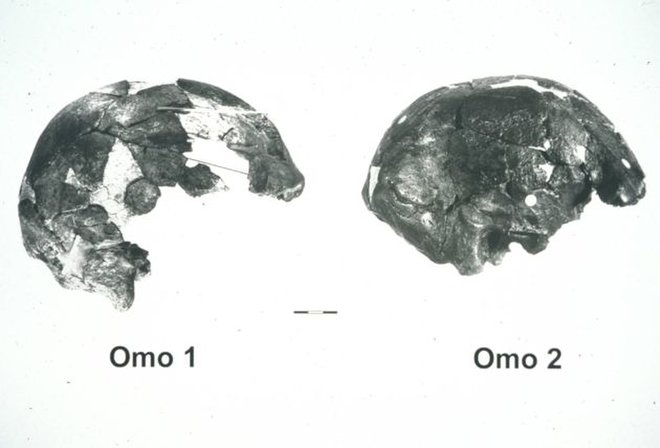
*Update: Our friend Prof. Chris Stringer very politely corrected me in some areas, here is what he said:

“To summarise, in my view (and of course others differ) fossils like Irhoud and Omo 2 are ‘archaic H. sapiens’ but for me, Omo 1 on the preserved parts is ‘anatomically modern’ at maybe 212 ky minimum (new dating, under review) Age of the oldest Homo sapiens from eastern Africa | Research Square.Omo 1 and 2 were discovered by an expedition led by Richard Leakey. And Cro-Magnons were AMH too..”

Hopefully, with permission, we can share some papers he wrote specifically on this!

Stay tuned!

The of #sapiens is a long, and fascinating story.

Where do we come from? One of the greatest questions of all time. With so many answers, we have science and religion battling it out to find the answers, and in truth it is very difficult to know.

While #hominins have been around for 6-7mya, our very own #species is very recent. Anatomically Modern Humans date to only about 20-30k Years ago, their predecessor, Pro-Magnon man, which is now a debatable term and usage of the word, we did not act or think like we do today. We may have looked this way for near 200,000 years, or longer, be we were not “us”.

There are various stages of “Modern Humans” that lived in the late Pleistocene, and of course into the last epoch, the Holocene. As evidence (the fossil record) shows, there is evidence of variation and possible admixture throughout Homo sapiens in Africa during this period.

Of course, we think we know that Modern Humans originated in Africa (although even that Theory, yes scientific theory, not just “a theory”) of the recent out of Africa theory, has a few holes, but how can we possibly know without being there?


Well, we can go by the oldest Homo sapiens fossils found to date.
From Omo 1 and 2 discovered by Louis Leakey, in Kibish Ethiopia, to Jerbel Irhoud in Morocco, and finally to YOU!

The Omo fossils date to about 180k-200,000 years ago, while the Jebel Irhoud remains are closer to 300,000 years old.


It sure has been a long journey!


Learn all about it from John Hawks here:

Dr. Chris Stringer’s papers:

Enjoy, please discuss and ask any questions you may have!

Neanderthal Symposium; Presented by the World of Paleoanthropology!

***Update Two***

As we approach the date, we are now accepting Q/A submissions for our board of experts! Please email your Neanderthal related questions to worldofpaleoanthropology@gmail.com with an appropriate subject to have your question considered!

The Q/A will last for about 30 min, and we will get through as many questions as we can!

***Update***

The Symposium has a date! January 15th at 1:30AM PST! So expect to see it uploaded on January 16th!

I have something VERY #EXCITING and special to announce!

If you have ever wondered about Neanderthals, this is something you are going to be very interested in!

Early in the #newyear, we will tentatively be hosting our very first ONLINE RECORDED SYMPOSIUM!

Between Tom Higham, Chris Stringer, and Rebecca Wragg Sykes, we are going to have a world-class panel of experts to give a sort of #Neanderthal 101 Presentation and answer all your questions!

There will be a half hour of presentations, each split into around ten minutes and then a half hour Q/A period.

THIS IS NOT LIVE

A week prior to the event, I will create a form for people to submit their questions to ask the experts, or that you are curious about. I will pick the ones I feel will provide the best conversation, and we will do that for half an hour.

But wow!!!

Boy, is this going to be AMAZING, some of the top experts in the field, together and at once, presenting an open access Symposium on a topic that so many people find fascinating but do not know how to approach, or where to look for the proper, and correct information. We want to offer this for free as an educational tool for any of you who may be in the educational field, and a resource for students to use themselves. You are free to share, and use this however you see fit, as long as you credit those involved.

You won’t want to miss this!!!

Expect to see much more news about this in the coming weeks and months and as we get closer to the date, we will release more information.

A big Thank You to all those amazing Anthropologists, and Archaeologists who are participating in this symposium.

If you have any questions or want to see how you can get involved with helping out with W.O.P.A, please email me at worldofpaleoanthropology@gmail.com!

Up until we arrive at this most exciting date, be sure to keep up to date with what we are doing! We just published the VERY FIRST Morphology Video in our new series, you can check that out here:

And beyond that, which I do not know what interval it will be on, but shall become a regular thing, we are of course continuing our interview series, the next interview we shall be posting is with Dr. Becca Peixotto, and we following that we have an interview with the amazing Pat Shipman, AND THEN we have an interview with Author Henry Gee about his new book, and explore some content a little outside of our regular realm, and take a deep dive into biology and the Earth’s history.

And on top of all of that, we are working on projects that we have not been able to even talk about yet! There is so much coming up! The future is bright!

Remember, there is always more to learn!

Want to stay up to date with what is going on with this event, and maybe see how you can participate or help? Check out our Facebook event:

Seth Chagi