Cambridge Journal of Human Behaviour: Call for Submissions (4th Issue)
The Cambridge Journal of Human Behaviour (CJHB) is now calling for submissions! CJHB is an internationally registered, peer-reviewed journal that is interdisciplinary in nature and dedicated to publishing the exceptional work of undergraduates from across the globe.
The deadline for the fourth issue is 15th May 2023. Submissions are always open and can be submitted online via our website: www.cjhumanbehaviour.com
Specific details for submission:
• Dissertations, projects, and extended essays welcome
Hey everyone! Welcome to the World of Paleoanthropology, where we explore the origins and evolution of our species. Today, we’re going to talk about prehistoric art and complex thinking. What does prehistoric art reveal about the minds who created it? Is art an insight into the prehistoric mind? What evidence do we have for this? What evidence do we have against it? What role does art play in human cognition? We will explore all of these topics in today’s blog post, and hopefully stir some creative and inspiring thinking in us all!
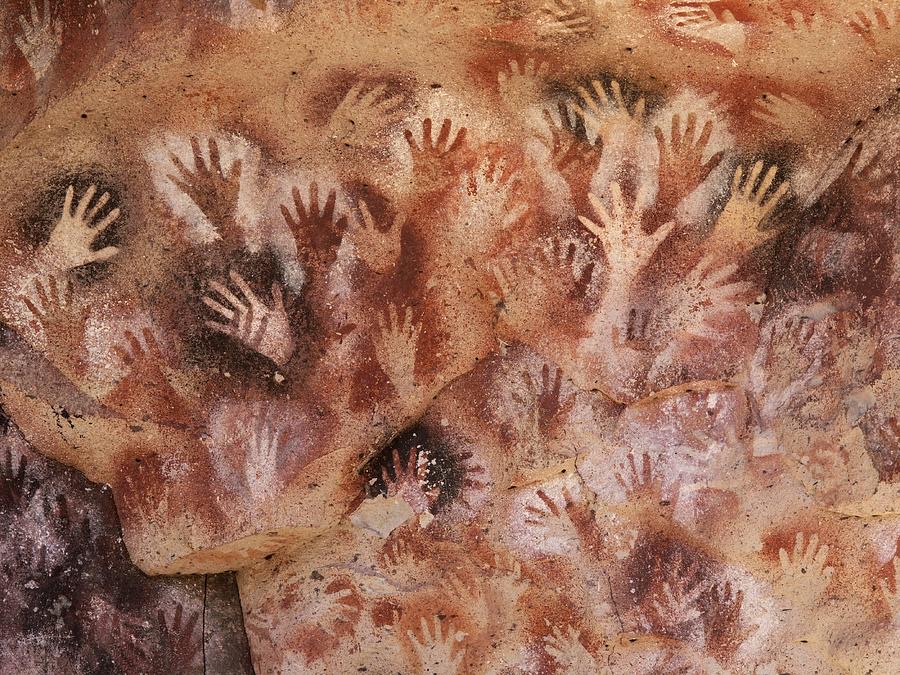
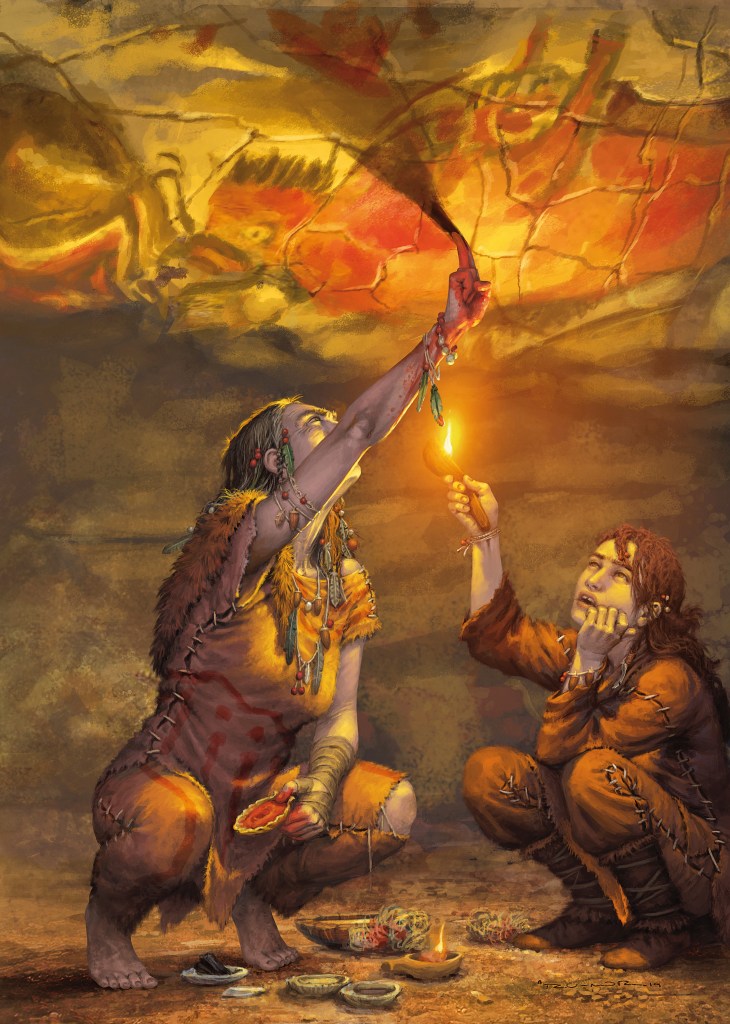
Prehistoric art is one of the most fascinating aspects of Paleoanthropology because it shows us how early humans expressed themselves and their worldviews. Prehistoric art includes paintings, sculptures, engravings, ornaments, and more made by humans before the invention of writing. Prehistoric art can be found all over the world, from Africa to Europe to Asia to Australia. Where humans went, it seems their art followed. So clearly it played some sort of important role to them. But as any artist knows today, the creative process can be long and difficult, what did it look like a hundred thousand years ago?
One of the main questions that archaeologists and anthropologists ask is: why did humans start making art? What was the purpose and meaning of prehistoric art? Some possible answers are:
– Art was a way of communicating information, such as hunting strategies, social relationships, or religious beliefs.
– Art was a way of enhancing memory, such as remembering ancestors, events, or places.
– Art was a way of expressing emotions, such as joy, fear, or sadness.
– Art was a way of showing creativity, intelligence, and innovation.
Art was a way of asserting identity, status, or group affiliation.
Art was a way to connect to the spiritual world around them.
All of these answers suggest that prehistoric art reflects complex thinking and symbolic reasoning. Symbolic reasoning is the ability to use symbols to represent abstract concepts, such as numbers, words, or ideas. Symbolic reasoning is considered one of the hallmarks of human cognition and language. Despite this, it is important to remember that there is no one feature that makes our speech or language production unique, but an amalgamation of features.
But how can we be sure that prehistoric art was symbolic and not just decorative or functional? How can we know what prehistoric artists intended or thought? These are some of the challenges that researchers face when studying prehistoric art. Some of the evidence that supports the symbolic interpretation of prehistoric art are:
– The diversity and sophistication of prehistoric art forms and techniques, such as mixing paints, carving bones, or engraving rocks.
– The presence of motifs and patterns that suggest intentional design and meaning, such as animals, humans, geometric shapes, or signs.
– The location and context of prehistoric art sites, such as caves, rock shelters, or burial grounds.
– The comparison with modern hunter-gatherer groups that still practice similar forms of art and have oral traditions that explain their symbolism.
However, there are also some arguments that challenge the symbolic interpretation of prehistoric art. Some of them are:
– The difficulty of dating and attributing prehistoric art to specific cultures or periods. (Although this may be changing, more on this later!)
– The possibility of alternative explanations for prehistoric art production, such as sensory deprivation, hallucination, or imitation.
– The lack of direct evidence for the cognitive abilities and language skills of prehistoric humans.
– The risk of projecting modern assumptions and biases onto ancient cultures and artifacts.
Therefore, prehistoric art remains a mystery and a source of debate among scholars and enthusiasts alike. Prehistoric art reveals some aspects of the minds who created it, but also hides many others. Prehistoric art is an insight into the prehistoric mind, but also a challenge to our own. We can learn so much about the minds of those who created these masterpieces, but the true, underlying meaning of these works may forever remain shrouded in mystery.
While having art does show that clearly there is a level of cognition that is not seen in non-human primates or any other animal, just exactly what it means for us, as well as how and why it developed, is not clear at this time. There are many great researchers working on these questions and problems, and hopefully, soon we will have more information that can reveal some of these secrets.
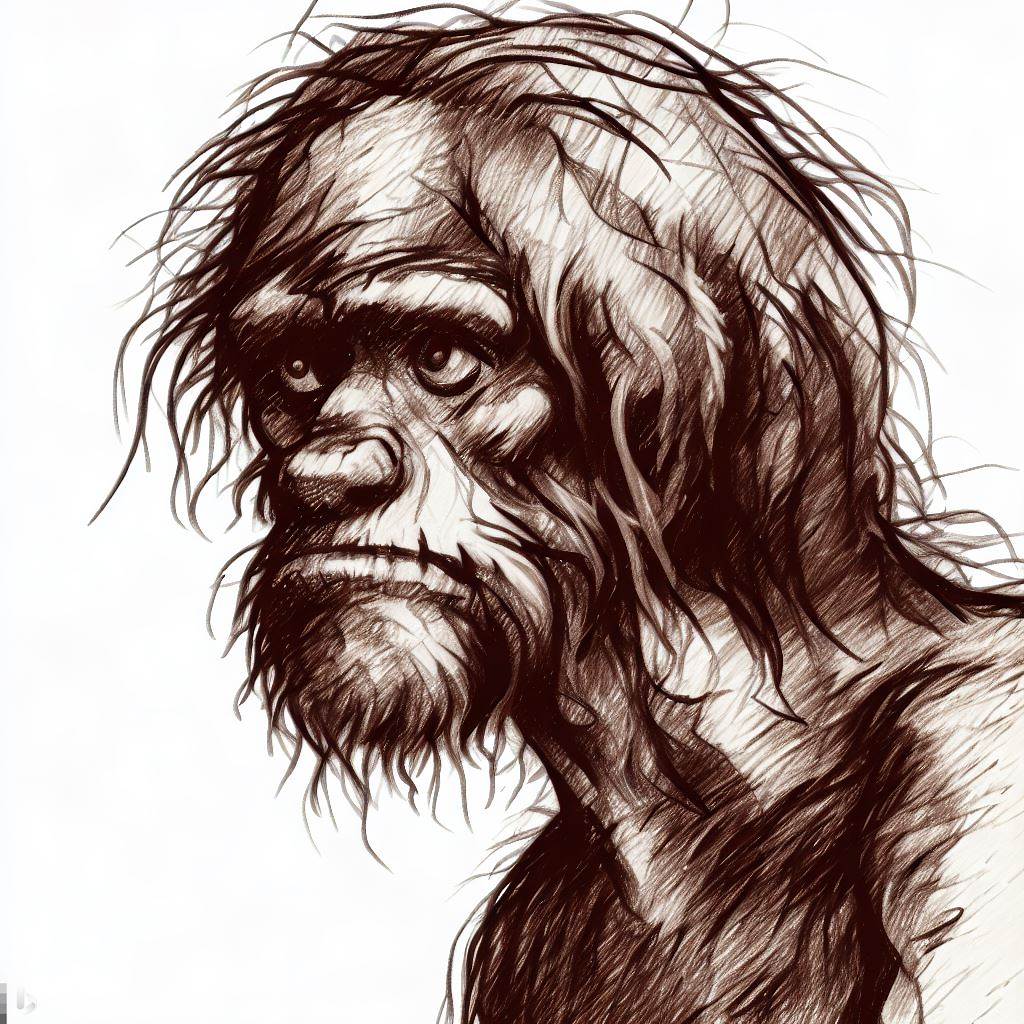
One of the most fascinating aspects of this, and the idea that complex thinking may have arisen thanks to art, is that Modern Humans are not the only ones to practice this. Neanderthals have been found to produce cave art, as well as other basic forms of art, and there are hypotheses that Dr. Lee Berger is about to reveal that Homo naledi created something, although we have no idea what, and this is pure speculation but created something down in those dark caves.
So does art reveal what it means to be human, or does it mystify it even more?
What do you think about prehistoric art and complex thinking? Do you have any questions or comments? Let us know in the section below. And don’t forget to subscribe to our blog for more updates on Paleoanthropology. Thanks for reading!
One of the most intriguing questions in human evolution is who was the last common ancestor between modern humans, aka Homo sapiens, and Neanderthals, also known as Homo neanderthalensis. This ancestor would have given rise to two distinct lineages (possibly three when we consider Denisovans, but we are not going to enter that part of the world for this blog post, perhaps a later one!) that coexisted for hundreds of thousands of years and even interbred occasionally. But what did this ancestor look like, when and where did it live, and how do we know?
The answer is not straightforward, as different lines of evidence point to different possibilities. One way to approach this question is to compare the DNA of modern humans and Neanderthals and estimate when they diverged based on the amount of genetic differences. This is a tedious but important process in understanding the relatedness of any two species, at any given time. This method suggests that the last common ancestor lived around 700,000 years ago (National Geographic, 2013). However, this estimate depends on assumptions about the mutation rate and the population size of the ancestral species, which are not well known.
Another way to tackle this question is to look at the fossil record and compare the morphology of different human species. This method is also challenging, as fossils are rare and often incomplete, and morphology can be influenced by factors other than ancestry, such as environment and adaptation. Moreover, different body parts may evolve at different rates, making it hard to assign a fossil to a specific species or lineage. This problem persists throughout all the fossil records, but knowing the distinct morphology of the species you are talking about, can be of huge assistance to assigning fossils to a species. Of course, when we are talking about three species that are so closely related, to the point where they could have interbred, and in fact did, there will be many individuals that share traits from the sister species, muddling the assignment process. Cultural items can, however, also be used to designate species, depending on how the remains were found, i.e. if they were buried or not, and if they were, what materials they were found with. This can not only show the time period in which these remains were laid to rest but also who was responsible.
One of the most widely accepted candidates for the last common ancestor is Homo heidelbergensis, a species that lived in Africa and Europe between 700,000 and 300,000 years ago. It had a large brain, a robust body, and a mix of primitive and derived features. However, recent studies have cast doubt on this hypothesis. For instance, a study by Gómez-Robles (2019) analyzed the shape of teeth of humans and their relatives and found that Neanderthals and modern humans diverged more than 800,000 years ago, much earlier than previously thought. This would imply that H. heidelbergensis postdates the split and cannot be the common ancestor.
Another possible contender is Homo antecessor, a species that lived in Europe about 1 million years ago. It is known from a few fossils from Spain show some similarities with both Neanderthals and modern humans. A study by Welker et al. (2020) analyzed ancient proteins extracted from one of these fossils and found that H. antecessor was closely related to the last common ancestor of Neanderthals and modern humans. However, this does not necessarily mean that H. antecessor was that ancestor; it could also be a sister group that branched off earlier.
In conclusion, we still do not have a clear picture of who was the last common ancestor between modern humans and Neanderthals. The evidence is fragmentary and conflicting, and more data are needed to resolve this puzzle. However, by combining different sources of information, such as DNA, fossils, and proteins, we can narrow down the possibilities and learn more about our evolutionary history.
References:
Gómez-Robles A (2019) Dental evolutionary rates and its implications for the Neanderthal–modern human divergence. Science Advances 5: eaaw1268.
In this video, we are honored to have a conversation with Dr. Nina Jablonski, one of the most influential and respected paleoanthropologists in the world. Dr. Jablonski is a professor of anthropology at Penn State University and the author of several books, including Skin: A Natural History and Living Color: The Biological and Social Meaning of Skin Color. She has made groundbreaking discoveries and contributions to our understanding of human evolution, diversity, and skin color. She has also been a pioneer in promoting public education and dialogue on these topics, challenging the myths and stereotypes that divide us. We talk to her about her fascinating career journey, from studying the fossils of old world monkeys in Africa to exploring the genetics and physiology of human skin color. We also discuss how we can use science to combat racism and celebrate our common humanity. This is a rare opportunity to learn from a brilliant and inspiring scholar who has dedicated her life to advancing our knowledge of ourselves and our past. Don’t miss it!
Paleoanthropology is a branch of anthropology that studies the origins and evolution of early humans and their relatives based on fossil and cultural evidence. Paleoanthropology combines the methods and theories of physical anthropology, archaeology, geology, and other disciplines to reconstruct the biological and cultural history of our ancestors. It is an extremely cross and multidisciplinary field, where it is not up to a single person to do tasks anymore, but rather teams achieve greater things together.
The history of paleoanthropology as a scientific discipline began in the 19th century when some researchers started questioning the biblical account of human creation and looking for alternative explanations based on natural laws. One of the first discoveries that challenged the traditional view was the finding of Neanderthal fossils in Europe, which showed that humans had a long and diverse evolutionary past. Another milestone was the publication of Charles Darwin’s On the Origin of Species in 1859, which proposed the theory of evolution by natural selection and suggested that humans shared a common ancestor with other animals. Later, in The Decent of Man, Darwin would even claim that the last common ancestor of Humans and the other great apes would have been Africa, which we know today to be correct.
However, paleoanthropology faced many challenges to become recognized as a legitimate science. Some of these challenges were scientific, such as the scarcity and fragmentary nature of fossil evidence, the difficulty of dating and interpreting fossils and artifacts, and the controversies over human phylogeny and taxonomy. Some of these challenges were social, such as the resistance from religious authorities and conservative scholars, the influence of colonialism and racism, and the ethical issues involved in collecting and studying human remains.
Despite these challenges, paleoanthropology has made significant progress over time, thanks to the contributions of many prominent figures who helped shape the field as we know it today. Some of these figures are:
– Thomas Henry Huxley (1825-1895), a British biologist who defended Darwin’s theory of evolution and coined the term “paleoanthropology”.
– Eugene Dubois (1858-1940), a Dutch anatomist who discovered the first fossil evidence of Homo erectus in Java in 1891.
– Raymond Dart (1893-1988), a South African anatomist who discovered the first fossil evidence of Australopithecus africanus in Taung in 1924.
– Louis Leakey (1903-1972), Mary Leakey (1913-1996), and Richard Leakey (1944- ), a family of British-Kenyan paleoanthropologists who made many important discoveries of early hominins and stone tools in East Africa.
– Donald Johanson (1943- ), an American paleoanthropologist who discovered the famous skeleton of Australopithecus afarensis nicknamed “Lucy” in Ethiopia in 1974.
– Jane Goodall (1934- ), a British primatologist who conducted groundbreaking research on chimpanzee behavior and ecology in Tanzania since 1960.
Svante Pääbo (1955- ), a Swedish geneticist who pioneered the field of ancient DNA analysis and sequenced the genomes of Neanderthals and other extinct hominins.
Many of these challenges are still faced today, including social issues, where organizations and individuals work against the education of human origins. Still, of course, there are those, such as the people who contribute to sites like this one, that are desperately trying to continue to work of others and spread the knowledge that we have gained over the last few hundred years, and use that to continue to build the science.
As new technologies develop, the field can undertake monumental adaptations, if a new dating method is discovered, then we may be able to date fossils or lithic that we were never able to before or to re-date what we thought we knew and learn completely new things about it. Advancements in genetics and proteomics are showing and will continue to show the world brand new items about our ancient past that we never dreamed of being able to access. With new technologies, science adapts and progresses forward, despite the many challenges that paleoanthropologists face daily, from both within and without of the field.
Paleoanthropology is still an active and evolving field today, with new discoveries and technologies constantly expanding our knowledge of human origins. Paleoanthropology aims to answer some fundamental questions about who we are, where we came from, how we evolved, and what makes us unique. We seek to understand the circumstances that created the US. We are unique yet similar to the other animals that call this planet home, but to discover what makes us different, we must understand our past. One of the best ways to do that will be by embracing our evolutionary history, understanding it, and striving to learn more about it.
Homo naledi is a mysterious human relative that lived in South Africa about 300,000 years ago. It had a mix of primitive and modern features, such as a small brain, a human-like foot, and complex social behavior. It also had a unique way of disposing of its dead: it deliberately carried them into a deep, dark cave chamber, where they accumulated over time.
This chamber, called Dinaledi, was discovered in 2013 by a team of scientists led by Professor Lee Berger from the University of the Witwatersrand. Since then, more than 1,500 fossils belonging to at least 15 individuals of Homo naledi have been recovered from the site. But there is still much we still need to learn about this fascinating species.
That’s why Professor Berger recently flew to Copenhagen, Denmark, to conduct some tests on some of the Homo naledi fossils. He hopes to find out more about their genetics, their diet, their health, and their relationship to other human ancestors.
Copenhagen is home to one of the world’s leading laboratories for ancient DNA analysis. Here, researchers have successfully extracted genetic material from 800,000-year-old fossils of Homo antecessor, another extinct human relative in Europe.
If they can do the same for Homo naledi, it would be a breakthrough for paleoanthropology. It would allow us to compare the DNA of Homo naledi with that of other human species, such as Neanderthals, Denisovans, and modern humans. It would also help us answer some of the big questions about Homo naledi: Where did it come from? How did it evolve? Did it interbreed with other humans? How did it survive in a changing environment?
Dr. Berger will collaborate with experts from the Globe Institute at the University of Copenhagen. This institute has a state-of-the-art laboratory specializing in ancient DNA and proteomics, which studies proteins. The researchers there have successfully extracted DNA and proteins from other ancient human fossils, such as Homo antecessor, which lived about 800,000 years ago in Spain.
By applying the same techniques to Homo naledi fossils, Berger hopes to learn more about their origins and evolution. For example, he wants to know if Homo naledi interbred with other human species, such as Homo sapiens or Neanderthals. He also wants to know if Homo naledi had any unique adaptations or behaviors that set them apart from other humans.
The results of these tests are not yet available, but they could reveal new insights into one of the most intriguing members of our family tree. It is a fascinating time to be involved in paleoanthropology, as new discoveries and technologies constantly expand our knowledge of our past.
But extracting ancient DNA takes work. It requires careful handling of the fossils, avoiding contamination from modern DNA, and using sophisticated techniques to amplify and sequence the tiny fragments of DNA that may remain in the bones.
We will have to wait for more information from Professor Berger and his colleagues, but it is an inspiring time to be involved in paleoanthropology. Homo naledi challenges our understanding of human evolution and diversity and reveals new aspects of our shared history.
Update: According to a direct response to this article, Dr. Berger says no announcement is coming…yet I remain skeptical!
Prof. Berger is known for is showmanship, and often times he likes to draw attention to his, and his teams discoveries. For good reason, as his discoveries have been some of the most important in the field over the last hundred years. With his work on Au. sediba, and H. naledi, it seems that there could be nothing else on the horizon, and yet – we may be in for a surprise.
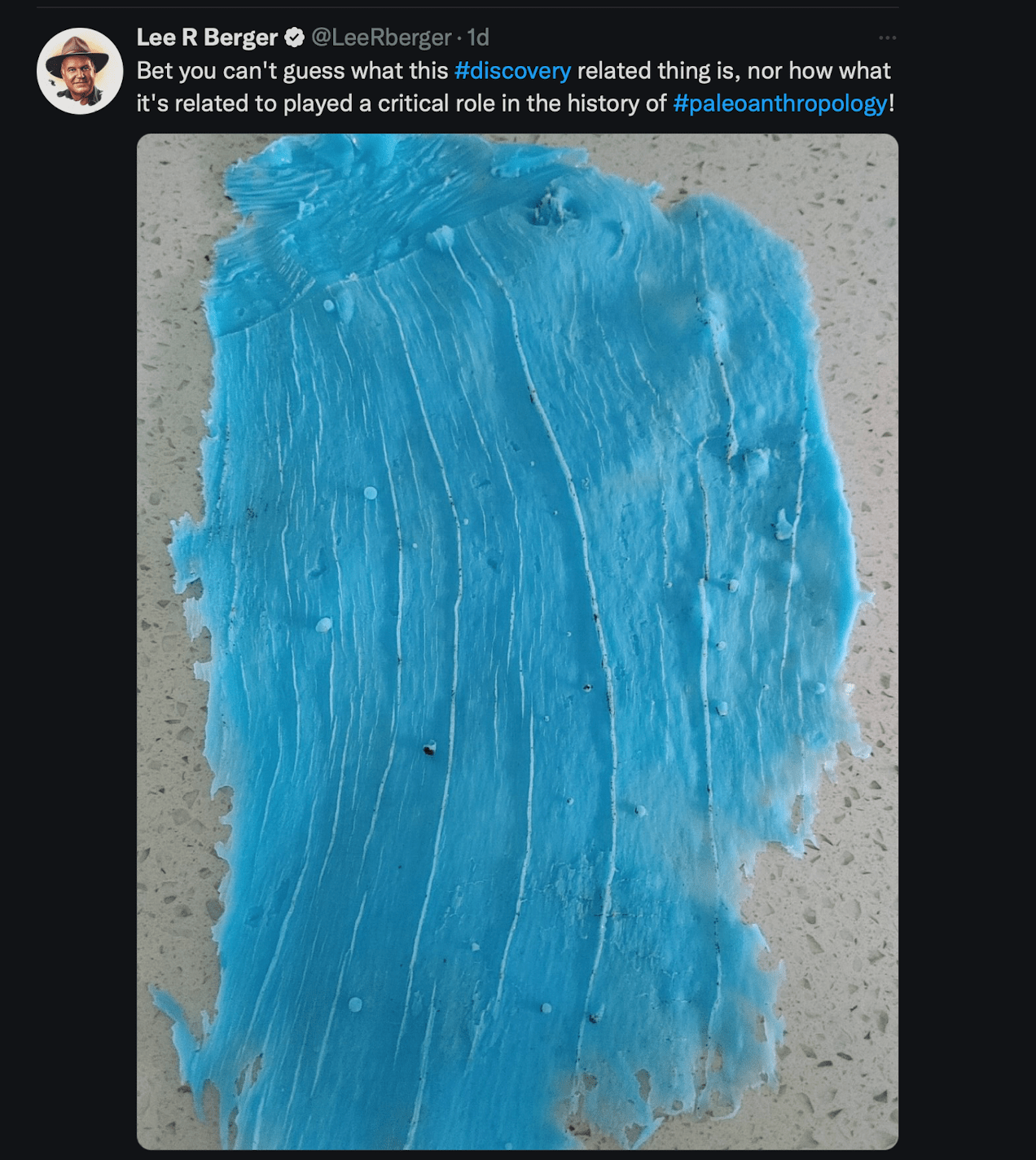
Do we have the actual skin of an ancient hominin? From a few tweets on Twitter, we may have an answer soon, but first some background.
Australopithecus sediba is an extinct primate species that lived in southern Africa about two million years ago. It has a mix of primitive and modern features that suggest it may be a transitional form between the genus Australopithecus and the genus Homo. One of the most remarkable discoveries about this species is that it may have preserved some of the oldest human skin ever found.
In 2008, paleoanthropologist Lee Berger and his team found two partial skeletons of Australopithecus sediba at the Malapa cave site in South Africa. The fossils were exceptionally well-preserved, with bones, teeth, and even some soft tissues intact. Among the soft tissues, Berger noticed some dark patches on the bones that looked like skin impressions. He also found some thin flakes of material that resembled skin scales.
Is this a mold of Au sediba skin?
Berger and his colleagues have not yet confirmed that these are indeed skin remains, but they have some clues that support this hypothesis. For example, the dark patches match the shape and size of the bones underneath, and they are only found on parts of the body that would have been exposed to the sun, such as the face, hands, and feet. The skin flakes also have a layered structure that is similar to human skin.
If these are indeed skin remains, they would be a remarkable discovery for paleoanthropology. They would provide a rare glimpse into the appearance and physiology of an early human ancestor. They would also offer a chance to study the evolution of skin pigmentation, hair distribution, sweat glands, and other features that are important for thermoregulation and protection from the environment.
The skin remains of Australopithecus sediba could also shed light on its behavior and lifestyle. For instance, the skin pigmentation could indicate how much time it spent in the sun, and whether it had any adaptations to cope with high levels of ultraviolet radiation. The hair distribution could reveal how much body heat it lost or retained, and whether it had any sexual dimorphism or social signaling. The sweat glands could show how efficient it was at cooling down, and whether it had any odor communication.
These are just some of the questions that could be answered by studying the skin remains of Australopithecus sediba. However, before any conclusions can be drawn, more tests need to be done to confirm their identity and authenticity. Berger and his team are planning to use various techniques, such as scanning electron microscopy, DNA analysis, and chemical tests, to verify their findings. They are also hoping to collaborate with experts from Copenhagen who specialize in ancient skin research.
The skin remains of Australopithecus sediba are a potential treasure trove for paleoanthropology. They could reveal new information about the evolution of human skin and its functions. They could also help us understand more about our ancient relatives and how they lived. They could change science forever.
So do we know what he has discovered or what he is leading us to believe? No, not yet, and we may not know for a little while, but as far as what I think this discovery that the professor is alluding to might be related to his previous announcements about sediba skin.
Translocation has historically been one of the strategies employed by humans to seek subsistence and other resources. Changes in climate and the environment have been one of the major reasons for human migrations, even more dynamically so in hunting communities as prey animals can only adapt to these through movement. One such set of journeys occurred along the Bering coast, commencing as early as 37.5 thousand years ago.
Map 1: Geographical location of Beringia. Dark brown borders represent the extent of the present-day coastlines, while light brown borders indicate those during the Last Glacial Maximum (National Park Service, 2023).
The Bering Land Bridge intermittently connected Eurasia and the Americas across deep time, most recently at 38000 B.P. (before present), up until 10000 B.P. after which it would remain submerged to this day. It was during this period that our species colonised the New World (i.e. the American continents) after exiting Africa about 70 thousand years ago (hereafter kya), encountering various climates and environments.
Temporal Correlations: Comparing dates using evidence
The discovery of more than 1900 stone artefacts found in the Chiquihuite cave in Mexico, some of which date to 33 kya has made it the earliest, although contested sign of humans in the Americas to date. If humans reached central Mexico 33 kya, when did they enter Beringia?
Genetic evidence says that proto “Beringians” split away from East Asians as early as 37.5 kya, soon after the formation of the bridge. It was from this ancestral population that groups would make incursions into Beringia, whose descendants would become the Native Americans. These people seem to have wasted little time in recognising and making the most of this newly accessible resource-rich space, most probably by following other fauna.
Mobility and Subsistence Economy: Exploring Interrelationality
Regardless of the exact time of arrival of Beringians into the cold, harsh, and seemingly barren land, why would any sane individual, let alone entire communities undertake this journey to the unknown?
For starters, these migrations happened over the course of thousands of years. Even by the most conservative estimates, a thousand years is more than 30 generations. On average, each generation would have travelled perhaps a hundred kilometres over the course of their life. Also, prehistoric humans had no knowledge of or ambition to colonise huge, unexplored continents, nor could they distinguish between the Old and New Worlds. These “migrations” were simply a consequence of their itinerant lifestyles.
Why move at all? Nomadic life to varying degrees had been the norm for the last 6 million years of our evolution. Aside from the mobile nature of our subsistence throughout the Paleolithic, a few other “push” and “pull” factors possibly influenced their decision. Perhaps the biggest push factor was the presence of other human groups in more known territories that threatened their existence. Despite population densities being much lower than present-day, the vast territorial ranges of nomadic people made competition for resources and the necessity for newer lands significant. Moreover, although temperatures were around the same as today, Northeast Eurasia wasn’t much warmer than Beringia.
Some researchers also believe that the presence of naive fauna, i.e. animal groups that had never before encountered humans and were therefore largely ignorant of their potential threat, enticed these individuals to unexplored territories. As is always in science and even more so in prehistory, this is debated. However, the navieté of certain wild animals in fringe areas is not unknown. Even today, penguins at the south pole are nonchalant and even curious in the presence of humans.
Floral and faunal analysis suggests the impossibility of southward movement across present-day Canada through the passage between the Cordilleran and Laurentide ice sheets until 12,600 years ago. Therefore, while other overland corridors might have been used for the colonisation of the rest of the Americas, this opens up the possibility of a coastal movement. Such travel might have occurred along the southern coast of the Bering Land Bridge, especially with the potential presence of resource-rich kelp forests. Kelp, along with the biodiversity that it supports, inhabits parts of the present-day coastline and likely did so before the Last Glacial Maximum as well, based on paleotopographic reconstructions.
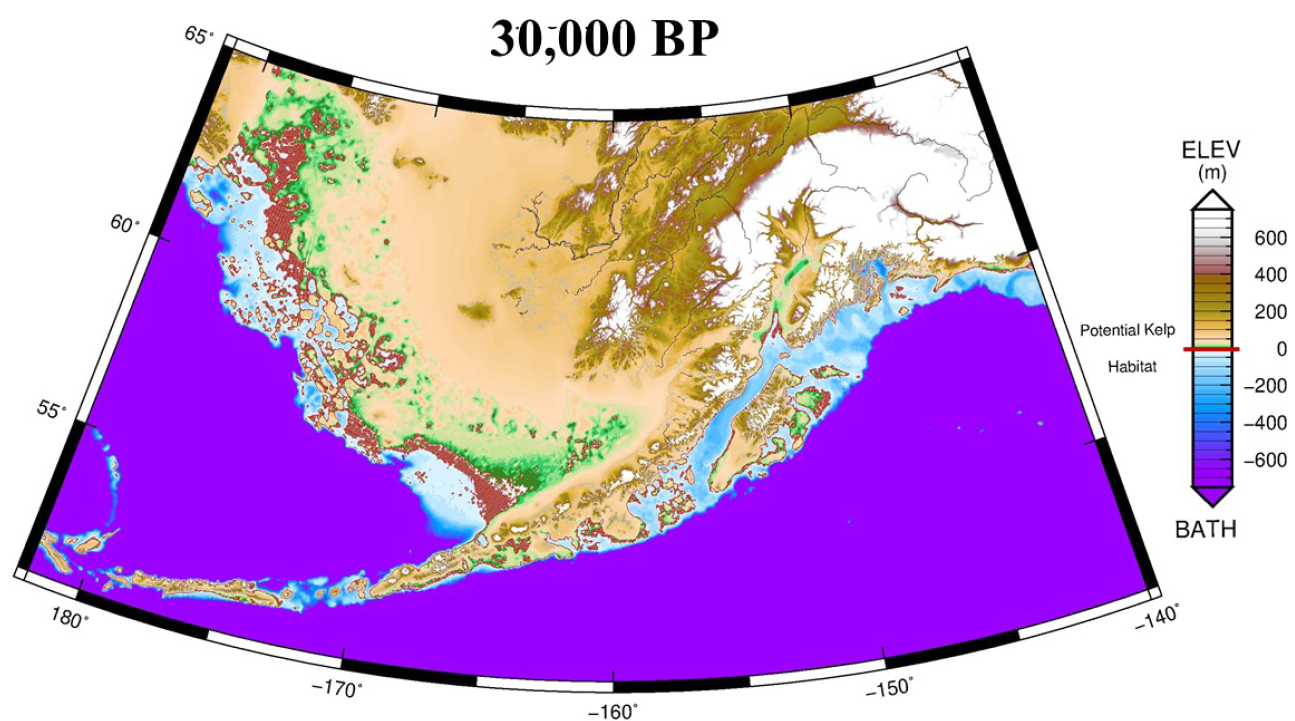
Map 2: Earliest possible reconstruction of Beringia at 30,000 B.P. (Dobson et al., 2021). Potential kelp habitat is shown in red at depths of 3-20 m. The legend on the right indicates the elevation/depth corresponding to other colours of different regions
Kelp forests host a variety of fish, shellfish, birds, and mammals such as seals and walruses. These could have formed a large enough part of the economy of coastal people such that they were capable of and willing to move about this zone even in the absence of a major impetus. Coasts are also often generally characterised by moderate temperatures in comparison to interior regions and were likely preferred, especially in high latitudes. Therefore, the potential for coastal migration along the Northern Pacific is great. As with any coastal remains, underwater archaeology is required to locate concrete evidence of occupation of now-submerged paleo-islands and coastlines.
Mobilities as a Resource: Translating it to Movement
An Inuit man kayaks to shore. (Library of Congress)
While the gradual spillover of the Northeast Asian tribe complex across Beringia and into the Americas is an extension of the Out-of-Africa dispersal, this process is ultimately an outcome of seasonal variations in temperatures. Nomadism is often not random, but a semi-cyclic movement largely dictated by herd movements and, ultimately, seasonal changes. Present-day Walrus populations also migrate southwards towards the warmer Bering Sea during the winters and largely remain in the regions of pack ice during the summers. Keeping in mind the dangers of over-relying on ethnographic evidence to infer prehistoric life, the contribution of such faunal movement to the peopling of Beringia was likely immense, as pinnipeds constitute a major part of the present-day Inuit diet.
Up until a few decades ago, Inuit tribes such as the Nunamiut of Alaska heavily relied on Caribou, residing inland throughout most of the year. However, they travelled to the coasts in the summers where they hunted marine mammals and traded extremely sought-out Caribou products such as fur and sinew with the more coastally oriented human groups.In contrast, North Alaskan Inuit groups specialised in Baleen whale hunting. Such differences in economies of human groups likely also existed in prehistory, as they colonised Beringia.
Therefore, it is possible that the accumulation of a surplus of local resources and the resulting seasonal movements to exchange them incrementally shifted the locus of this semi-cyclic movement over hundreds or thousands of years. Mobilities were necessitated by the seasonally changing easiest acquirable food sources, as well as the regular need for clothing and tools. These also provided avenues for interaction between tribes, opportunities for genetic and cultural exchange, and the maintenance of population numbers, which was necessary to sustain newly established colonies.
Adaptations are by themselves both material and cultural processes that require knowledge transmission over generations. Generations of people had to continually practise a nomadic way of life for such oral traditions relating to mobile survival skills to have remained relevant. Each generation needed to learn the strategies used by the former and appropriate them to their own contexts and ecological niches that they preferred. The resource of mobility, therefore, was inherited and needed to be used by every generation intermittently throughout their lives so as to transmit updated information on adaptive strategies.
This could be seen in pre-modern, and to a certain extent, modern Inuit communities in what is termed Traditional Ecological Knowledge (TEK). Generations of Inuit, and possibly Beringians learnt details of herd movement, interception techniques, local landscapes, other human groups, spiritual beliefs, and weather patterns, as well as the creation and use of tools, boats, and shelters through the ancestral social memory and applied their own experiential knowledge, thereby enabling strategies that were flexible over various contexts. The capacity to colonise new territories and survive unprecedented challenges is an important precondition for the movement itself.
This was developed through the presence of such an established yet dynamic system of knowledge as TEK. For example, when these people reached the Great Plains in the south, they would have encountered vastly different ecologies containing mostly open savannahs with occasional swamps and thick forests. Each generation had to adapt considerably and consistently across the lands that they traversed, to eventually enable the hunting of a variety of megafaunas such as mammoths, horses, deer, sloths, and bison encountered in the plains. To do so, each generation had to consult the TEK that they were passed down, either apply it readily if their contexts were sufficiently similar or use it in conjunction with their experiences to work out strategies appropriate to their present contexts. If successful, these strategies would be included in the TEK that would be inherited by the next generations. The formation of networks that were used on a semi-regular basis, such as the Nunamiut’s seasonal trade migrations, was afforded by inter-tribal TEK that were exchanged during crossings.
Conclusions
Mobilities have directly influenced the outcomes of every event and process in history through their role in developing networks. As Martin Bell concedes, the frameworks of networks in the present were laid thousands of years ago. Apart from being corridors of traversal, these routeways and intersections came to be imbibed with meaning, becoming ‘sites’ of exchange. The mobility of knowledge increased through inter-group interactions. Communities with flexible but deep traditions often specific to their contexts could learn from each other, enabling them to survive in the others’ unique environment. Thus, mobilities were self-multiplying, self-retarding phenomena, inducing change throughout history, catalysed by varying environments, and accompanied by bio-cultural exchanges of genes, commodities, pathogens, or associated ideas, moulding human populations and their behaviours.
The uniqueness of the Beringian and American migrations lay in the ability of humans to inhabit a range of ecologies in a relatively short span. The Beringia mobilities were some of the earliest and most consequential adaptations in the history of modern humans as they contributed to some of the most rapid mass extinction events, allowed for the eventual cultivation and spread of crops previously unknown to the Old World, and the relatively isolated development of mighty empires, unique cultures, languages, and ways of life.
A strictly linear movement into such a vast space is impossible. For the sustained colonisation of Beringia and subsequently, the Americas, networks of groups suited to various ecologies were necessary. These networks would in turn provide the bases for those in the future among Native Americans, facilitating the movement of important ideas such as those of food production. Late mediaeval Europe and Asia benefited from the Columbian exchange only because Native Americans had developed useful commodities with the help of intricate networks. The migration of humans into Beringia from Northern Eurasia was the beginning of American human history, which continues to impact our lives today and hence deserves attention.
An Afterthought
It is fascinating to ponder on the origins of TEKs, and whether they predate our species. It is obvious that some form of cultural learning can be inferred from the earliest stone tools dating 3.3 million years ago. Some other aspects, such as learning hunting strategies from the progenitors are shared with other animals. However, humans today largely rely on observation skills rather than primary senses to infer weather patterns and plan ambushes of migratory herds. These, along with more complicated aspects of resource use, abstract ideas, and spiritual beliefs could only be transmitted through significantly sophisticated spoken languages. At what points in our evolutionary histories did we start exhibiting such behaviours, and why?
Sources
Ardelean, C. F., Becerra-Valdivia, L., Pedersen, M. W., Schwenninger, J.-L., Oviatt, C. G., Macías-Quintero, J. I., Arroyo-Cabrales, J., Sikora, M., Ocampo-Díaz, Y. Z. E., Rubio-Cisneros, I. I., Watling, J. G., de Medeiros, V. B., De Oliveira, P. E., Barba-Pingarón, L., Ortiz-Butrón, A., Blancas-Vázquez, J., Rivera-González, I., Solís-Rosales, C., Rodríguez-Ceja, M., … Willerslev, E. (2020). Evidence of human occupation in Mexico around the Last Glacial Maximum. Nature, 584(7819), 87–92. https://doi.org/10.1038/s41586-020-2509-0.
Ardelean, C. F., Pedersen, M. W., Schwenninger, J.-L., Arroyo-Cabrales, J., Gandy, D. A., Sikora, M., Macías-Quintero, J. I., Huerta-Arellano, V., De La Rosa-Díaz, J. J., Ocampo-Díaz, Y. Z. E., Rubio-Cisneros, I. I., Barba-Pingarón, L., Ortíz-Butrón, A., Blancas-Vázquez, J., Solís-Rosales, C., Rodríguez-Ceja, M., Rivera-González, I., Navarro-Gutiérrez, Z., López-Jiménez, A., … Willerslev, E. (2022). Chiquihuite Cave and America’s Hidden Limestone Industries: A Reply to Chatters et al. PaleoAmerica, 8(1), 17–28. https://doi.org/10.1080/20555563.2021.1985063.
Boivin, Nicole. & Crassard, Rémy. & Petraglia, M. D. (2017). Human dispersal and species movement : from prehistory to the present. Cambridge, United Kingdom : Cambridge University Press.
Carlson, Paul H. Plains Indians. College Station: Texas A&M University Press, 1998. Accessed March 8, 2022. ProQuest Ebook Central.
Chatters, J. C., Potter, B. A., Prentiss, A. M., Fiedel, S. J., Haynes, G., Kelly, R. L., Kilby, J. D., Lanoë, F., Holland-Lulewicz, J., Miller, D. S., Morrow, J. E., Perri, A. R., Rademaker, K. M., Reuther, J. D., Ritchison, B. T., Sanchez, G., Sánchez-Morales, I., Spivey-Faulkner, S. M., Tune, J. W., & Haynes, C. V. (2022). Evaluating Claims of Early Human Occupation at Chiquihuite Cave, Mexico. PaleoAmerica, 8(1), 1–16. https://doi.org/10.1080/20555563.2021.1940441.
Coutouly, Y. A. G. (2016). Migrations and interactions in prehistoric Beringia: The evolution of Yakutian lithic technology. Antiquity, 90(349), 9–31. https://doi.org/10.15184/aqy.2015.176.
Dobson, J. E., Spada, G., & Galassi, G. (2020). GLOBAL CHOKE POINTS MAY LINK SEA LEVEL AND HUMAN SETTLEMENT AT THE LAST GLACIAL MAXIMUM. Geographical Review, 110(4), 595–620. https://doi.org/10.1080/00167428.2020.1728195.
Dobson, J. E., Spada, G., & Galassi, G. (2021). The Bering Transitory Archipelago: Stepping stones for the first Americans. Comptes Rendus. Géoscience, 353(1), 55–65. https://doi.org/10.5802/crgeos.53.
Erlandson, J. M., Graham, M. H., Bourque, B. J., Corbett, D., Estes, J. A., & Steneck, R. S. (2007). The Kelp Highway Hypothesis: Marine Ecology, the Coastal Migration Theory, and the Peopling of the Americas. The Journal of Island and Coastal Archaeology, 2(2), 161–174. https://doi.org/10.1080/15564890701628612.
Fagundes, N.J.R., Ray, N., Beaumont, M., Neuenschwander, S., Salzano, F.M., Bonatto, S.L., and Excoffier, L. 2007. Statistical evaluation of alternative models of human evolution. Proceedings of the National Academy of Sciences 104: 17614–17619.
Farmer, J. R., Pico, T., Underwood, O. M., Cleveland Stout, R., Granger, J., Cronin, T. M., Fripiat, F., Martínez-García, A., Haug, G. H., & Sigman, D. M. (2023). The Bering Strait was flooded 10,000 years before the Last Glacial Maximum. Proceedings of the National Academy of Sciences, 120(1), e2206742119. https://doi.org/10.1073/pnas.2206742119.
Hoffecker, J. F., Elias, S. A., O’Rourke, D. H., Scott, G. R., & Bigelow, N. H. (2016). Beringia and the global dispersal of modern humans: Beringia and the Global Dispersal of Modern Humans. Evolutionary Anthropology: Issues, News, and Reviews, 25(2), 64–78. https://doi.org/10.1002/evan.21478.
Llamas, B., Fehren-Schmitz, L., Valverde, G., Soubrier, J., Mallick, S., Rohland, N., Nordenfelt, S., Valdiosera, C., Richards, S. M., Rohrlach, A., Romero, M. I. B., Espinoza, I. F., Cagigao, E. T., Jiménez, L. W., Makowski, K., Reyna, I. S. L., Lory, J. M., Torrez, J. A. B., Rivera, M. A., … Haak, W. (2016). Ancient mitochondrial DNA provides high-resolution time scale of the peopling of the Americas. Science Advances, 2(4), e1501385. https://doi.org/10.1126/sciadv.1501385.
Mcleman, R. A. (2013). Climate and Human Migration: Past Experiences, Future Challenges. Cambridge University Press, 2.
Moreno-Mayar, J. V., Potter, B. A., Vinner, L., Steinrücken, M., Rasmussen, S., Terhorst, J., Kamm, J. A., Albrechtsen, A., Malaspinas, A.-S., Sikora, M., Reuther, J. D., Irish, J. D., Malhi, R. S., Orlando, L., Song, Y. S., Nielsen, R., Meltzer, D. J., & Willerslev, E. (2018). Terminal Pleistocene Alaskan genome reveals first founding population of Native Americans. Nature, 553(7687), 203–207. https://doi.org/10.1038/nature25173.
Pearce, T., Ford, J., Willox, A. C., & Smit, B. (2015). Inuit Traditional Ecological Knowledge (TEK) Subsistence Hunting and Adaptation to Climate Change in the Canadian Arctic. ARCTIC, 68(2), 233. https://doi.org/10.14430/arctic4475.
Pedersen, M. W., Ruter, A., Schweger, C., Friebe, H., Staff, R. A., Kjeldsen, K. K., Mendoza, M. L. Z., Beaudoin, A. B., Zutter, C., Larsen, N. K., Potter, B. A., Nielsen, R., Rainville, R. A., Orlando, L., Meltzer, D. J., Kjær, K. H., & Willerslev, E. (2016). Postglacial viability and colonization in North America’s ice-free corridor. Nature, 537(7618), 45–49. https://doi.org/10.1038/nature19085.
Pinotti, T., Bergström, A., Geppert, M., Bawn, M., Ohasi, D., Shi, W., Lacerda, D. R., Solli, A., Norstedt, J., Reed, K., Dawtry, K., González-Andrade, F., Paz-y-Miño, C., Revollo, S., Cuellar, C., Jota, M. S., Santos, J. E., Ayub, Q., Kivisild, T., … Tyler-Smith, C. (2019). Y Chromosome Sequences Reveal a Short Beringian Standstill, Rapid Expansion, and early Population structure of Native American Founders. Current Biology, 29(1), 149-157.e3. https://doi.org/10.1016/j.cub.2018.11.029.
Raghavan, M., Steinrücken, M., Harris, K., Schiffels, S., Rasmussen, S., DeGiorgio, M., Albrechtsen, A., Valdiosera, C., Ávila-Arcos, M. C., Malaspinas, A.-S., Eriksson, A., Moltke, I., Metspalu, M., Homburger, J. R., Wall, J., Cornejo, O. E., Moreno-Mayar, J. V., Korneliussen, T. S., Pierre, T., … Willerslev, E. (2015). Genomic evidence for the Pleistocene and recent population history of Native Americans. Science, 349(6250), aab3884. https://doi.org/10.1126/science.aab3884.
Spencer, Robert F. ‘The North Alaskan Eskimo-a study in ecology and society’, Smithsonian Institution, Bureau of American Ethnology, Bulletin 171 (1959).
Tamm, E., Kivisild, T., Reidla, M., Metspalu, M., Smith, D. G., Mulligan, C. J., Bravi, C. M., Rickards, O., Martinez-Labarga, C., Khusnutdinova, E. K., Fedorova, S. A., Golubenko, M. V., Stepanov, V. A., Gubina, M. A., Zhadanov, S. I., Ossipova, L. P., Damba, L., Voevoda, M. I., Dipierri, J. E., … Malhi, R. S. (2007). Beringian Standstill and Spread of Native American Founders. PLoS ONE, 2(9), e829. https://doi.org/10.1371/journal.pone.0000829.
Science communication is the process of sharing scientific knowledge and discoveries with diverse audiences using various methods and media. Science communication can have many goals, such as informing, educating, inspiring, or engaging people with science. Science communication can also foster critical thinking, evidence-based reasoning, and curiosity about the natural world.
One of the most fascinating and controversial topics in science communication is human origins. Human origins are the study of how our species, Homo sapiens, evolved from earlier forms of hominins (human-like primates) over millions of years. Human origins encompass various disciplines, such as paleontology, archaeology, genetics, anthropology (paleoanthropology, that’s us!), and linguistics. Human origins also touch upon fundamental questions about our identity, diversity, culture, and morality.
Why is science communication surrounding human origins important? There are at least three reasons:
– First, science communication surrounding human origins can help us understand ourselves better. By learning about our evolutionary history, we can gain insights into our biological traits, behavioral patterns, cognitive abilities, and cultural diversity. We can also appreciate our connection with other living beings and our dependence on the environment. Science communication surrounding human origins can also challenge some common misconceptions or stereotypes about human nature, such as racial superiority, gender roles, or innate aggression. Understanding these issues from a scientific point of view explains that there are no such things are binary genders, biological races, etc. Understanding this can lead to a much more unified and peaceful future once we understand that there are so many more things that unite us than that which makes us different.
– Second, science communication surrounding human origins can help us prepare for our future. By studying how our ancestors adapted to changing climates, habitats, and resources, we can learn valuable lessons for coping with current and future challenges. We can also recognize the potential and limitations of our species and the ethical implications of our actions. Science communication surrounding human origins can also inspire us to explore new frontiers of knowledge and innovation. We live in an ever-changing world in which climate science tells us it is going for a negative turn. We are headed towards a world in which we are going to have to adapt to survive, perhaps not physically, but in the ways in which we do things. Understanding how we had done this before, as we navigated the world as we spread outside of Africa, can lead to understanding how we need to adapt to new ecological niches.
– Third, science communication surrounding human origins can promote dialogue and respect among different perspectives. Human origin is a topic that often sparks curiosity and interest among people from various backgrounds and beliefs. However, it can also generate controversy and conflict, especially when it conflicts with religious or ideological views. Science communication surrounding human origins can facilitate respectful and constructive conversations among diverse groups by providing accurate and accessible information, acknowledging uncertainties and gaps in knowledge, and inviting feedback and questions. It is always important to remember that while you may find people with conflicting beliefs, there is a good chance you can find common ground with them on something else, and use that as a starting point for further understanding. Human origins should not be forced upon anyone, as any respectable anthropologist with an understanding of different religious and cultural backgrounds, and respect them and their practitioners for who they are.
Science communication surrounding human origins is not easy or straightforward. It requires careful consideration of the content, context, audience, and purpose of the message. It also requires sensitivity to the topic’s cultural, ethical, and emotional aspects. However, science communication surrounding human origins is essential and rewarding. It can enrich our understanding of ourselves and others, enhance our appreciation of science and nature, and foster a culture of curiosity and dialogue.
Sources:
– Science and Human Origins | Discovery Institute
– Human Evolution Evidence | The Smithsonian Institution’s Human Origins Program
– 10 Facts About Human Communication
– Human Communication – an overview | ScienceDirect Topics
– Origins of Human Communication – Michael Tomasello
Paleoanthropology is the branch of anthropology that studies the origins and evolution of early humans and their relatives. ¹ It uses fossils, artifacts, and DNA to reconstruct the biological and cultural history of our species and its ancestors. Paleoanthropology can help us understand where we came from, how we adapted to different environments, and what makes us unique among living creatures.
But can paleoanthropology also help us understand where we are going, how we can cope with future challenges, and what role we have in the cosmos? In this blog post, I will explore some of the implications of paleoanthropological research for the future of the universe. I will discuss how our knowledge of our early ancestors can inspire us to explore new frontiers, to appreciate our diversity and commonality, and to protect our planet and its resources.
Exploration
One of the most remarkable features of human evolution is our ability to expand our geographic range and colonize new habitats. From our origins in Africa, we spread across the globe, reaching every continent except Antarctica. We adapted to different climates, landscapes, and ecosystems, using our intelligence, creativity, and technology. We also encountered and interacted with other hominin species, such as Neanderthals and Denisovans, exchanging genes and culture. ²
Our curiosity and wanderlust have not diminished in modern times. We have explored the oceans, the poles, the mountains, and even outer space. We have sent probes and rovers to other planets and moons, searching for signs of life and potential resources. We have detected thousands of exoplanets orbiting distant stars, some of which may be habitable. We have dreamed of colonizing Mars or other worlds, or even building artificial habitats in space.
Paleoanthropology can inform and inspire our future exploration of the universe. It can teach us about the challenges and opportunities of living in different environments, the benefits and risks of encountering other life forms, and the ethical and social implications of expanding our presence beyond Earth. It can also remind us of our humble origins and our connection to nature.
Diversity
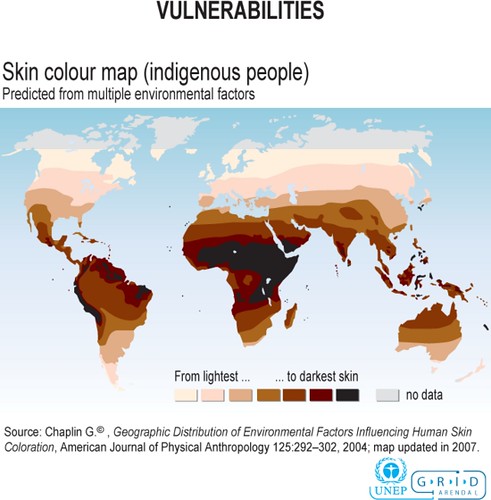
Another remarkable feature of human evolution is our diversity. We are a single species with many variations in appearance, behavior, culture, language, and genetics. We have evolved different adaptations to different environments, such as skin color, body shape, lactose tolerance, and altitude tolerance. We have developed different ways of life, such as hunting-gathering, farming, herding, fishing, and industrialization. We have created different forms of art, music, religion, politics, and science.
Our diversity is a source of richness and beauty, but also of conflict and misunderstanding. We have often discriminated against or oppressed people who are different from us based on race, ethnicity, gender, religion, or ideology. We have fought wars over resources, territory, or beliefs. We have exploited or endangered other species or ecosystems for our own benefit.
Paleoanthropology can help us appreciate and celebrate our diversity while also recognizing our commonality. It can show us that we are all part of one human family that shares a common ancestry and a common destiny. It can also show us that we are not alone in the universe: we are part of a larger community of living beings that share a common origin and a common home.
Protection
A final remarkable feature of human evolution is our impact on the environment. We are the only species that has altered the planet on a global scale through our activities. We have modified landscapes through agriculture, urbanization, mining, and deforestation. We have emitted greenhouse gases that cause climate change and affect weather patterns, sea levels, and biodiversity. We have polluted the air, water, and soil with chemicals and waste. We have overexploited natural resources such as water, land, minerals, and energy. We have driven many species to extinction or endangerment through hunting, fishing, poaching, and habitat loss. ³
Our impact on the environment has serious consequences for our own health and well-being. We face threats such as food insecurity, water scarcity, natural disasters, infectious diseases, and social conflicts. We also risk losing the benefits that nature provides us, such as clean air and water, fertile soil, pollination, pest control, recreation, and cultural values. We need to find ways to reduce our ecological footprint and live more sustainably.
Paleoanthropology can help us protect the environment by showing us how our ancestors lived in harmony with nature for millions of years. It can also show us how our ancestors adapted to environmental changes and challenges in the past. It can provide us with insights and lessons on how to cope with current and future environmental issues. It can also motivate us to preserve our natural heritage and respect our fellow creatures.
Conclusion
Paleoanthropology is not only a fascinating field of study that reveals our past but also a relevant and useful field that informs our present and shapes our future. By learning about our early ancestors and their evolution, we can gain a better understanding of ourselves and our place in the universe. We can also find inspiration and guidance on how to explore new frontiers, appreciate our diversity and commonality, and protect our planet and its resources.
Paleoanthropology is the study of the past that illuminates the future.









 World of Paleoanthropology