
Introduction Recently, archaeologists uncovered evidence in the UK that early humans might have been using fire hundreds of thousands of years earlier in Europe than we previously believed. This discovery adds a fascinating new layer to our understanding of how our ancient ancestors mastered this transformative tool. A Tale of Two Sites: Wonderwerk Cave andContinue reading “Fire Through the Ages: From Wonderwerk Cave to Ancient Britain”
Tag Archives: archaeology
The Cultural Remix: Neanderthals and Denisovans in Conversation
Imagine a cave somewhere in Ice Age Eurasia. A fire smolders low, smoke curling upward into the darkness. A group of Neanderthals huddles close, trading stories, sharpening tools. Suddenly, a stranger appears — stockier, broader-jawed, carrying something unfamiliar: a greenstone bead, maybe, or a tool chipped in a style just slightly different. What happens next?Continue reading “The Cultural Remix: Neanderthals and Denisovans in Conversation”
The Soundscapes of Prehistory: Echoes of Human Evolution
Hearing the Ancient World Imagine stepping into the world of our ancestors—not through vision alone, but through the constant stream of sounds that framed daily life. Long before written symbols or cave paintings, sound was a primary medium through which early humans understood, navigated, and interpreted their environments. The creak of firewood, the rustle ofContinue reading “The Soundscapes of Prehistory: Echoes of Human Evolution”
A Day in the Life of a Neanderthal, 50,000 Years Ago
Listen to a podcast version of this post! Reconstructing the daily life of a Neanderthal is more than an exercise in imagination—it is an endeavor grounded in decades of archaeological research, paleoenvironmental reconstruction, and microscopic analyses of artifacts and remains. From isotope studies that reveal dietary preferences to wear patterns on tools that show howContinue reading “A Day in the Life of a Neanderthal, 50,000 Years Ago”
The Echo of a Hand Across Millennia: Decoding the Cave Hand Stencil
Hand stencils, created by ancient humans using natural pigments, represent some of the earliest expressions of identity and belonging. These artworks, found in various locations worldwide, highlight the cognitive sophistication of early societies and reflect complex social structures. Evidence suggests that women and children actively participated in creating these stencils, emphasizing cultural transmission and inclusivity. The presence of deliberate details, like missing fingers, indicates a deeper symbolic significance often linked to spirituality. Discoveries of Neanderthal-made stencils challenge previous perceptions of these early humans, showcasing their creative capabilities. Ultimately, handprints serve as a timeless connection to our shared humanity and urge reflection on our desire for recognition and permanence.
Exploring the Mind Through Time: My Upcoming Master’s in Prehistoric Archaeology and Rock Art in Portugal
I’m thrilled to share that I’ll soon be beginning an incredible new chapter in Portugal—pursuing my Master’s in Prehistoric Archaeology and Rock Art through the International Master in Quaternary and Prehistory (IMQP) program at the Instituto Politécnico de Tomar (IPT). Why Rock Art? This unique program centers on Quaternary studies—the most recent geological period, markedContinue reading “Exploring the Mind Through Time: My Upcoming Master’s in Prehistoric Archaeology and Rock Art in Portugal”
When did we become Human?

The exploration of what it means to be human reveals a complex evolution marked by gradual adaptations rather than a singular event. Key milestones include bipedalism that freed our hands, the development of tool making, and the mastery of fire, which enhanced cognitive growth. Symbolic thinking is evidenced through art and social structures, not only in Homo sapiens but also in Neanderthals. Our humanity is shaped through ongoing innovation and connections, continually influenced by discoveries that deepen our understanding of our shared past.
At the Dawn of Parenting: An Evolutionary Tale of Love and Survival

Imagine a small band of early humans huddled around a flickering fire on the African savanna 1.8 million years ago. In the dim glow, a young mother cradles her infant, who fusses quietly. There are no cribs or strollers, no formula or diapers – only the tools nature endowed and the ingenuity of a resourceful species.Continue reading “At the Dawn of Parenting: An Evolutionary Tale of Love and Survival”
Parenting Across the Ages: What Early Hominins Can Teach Us About Raising Children Today

Imagine what it might have been like to be a parent 1.8 million years ago. There were no cribs, no baby monitors, and no parenting books. Yet, the task of caring for and raising children was just as important then as it is today. While we often think of things like stone tools, fire, andContinue reading “Parenting Across the Ages: What Early Hominins Can Teach Us About Raising Children Today”
Exploring the Untapped Potential of West African Paleoanthropology
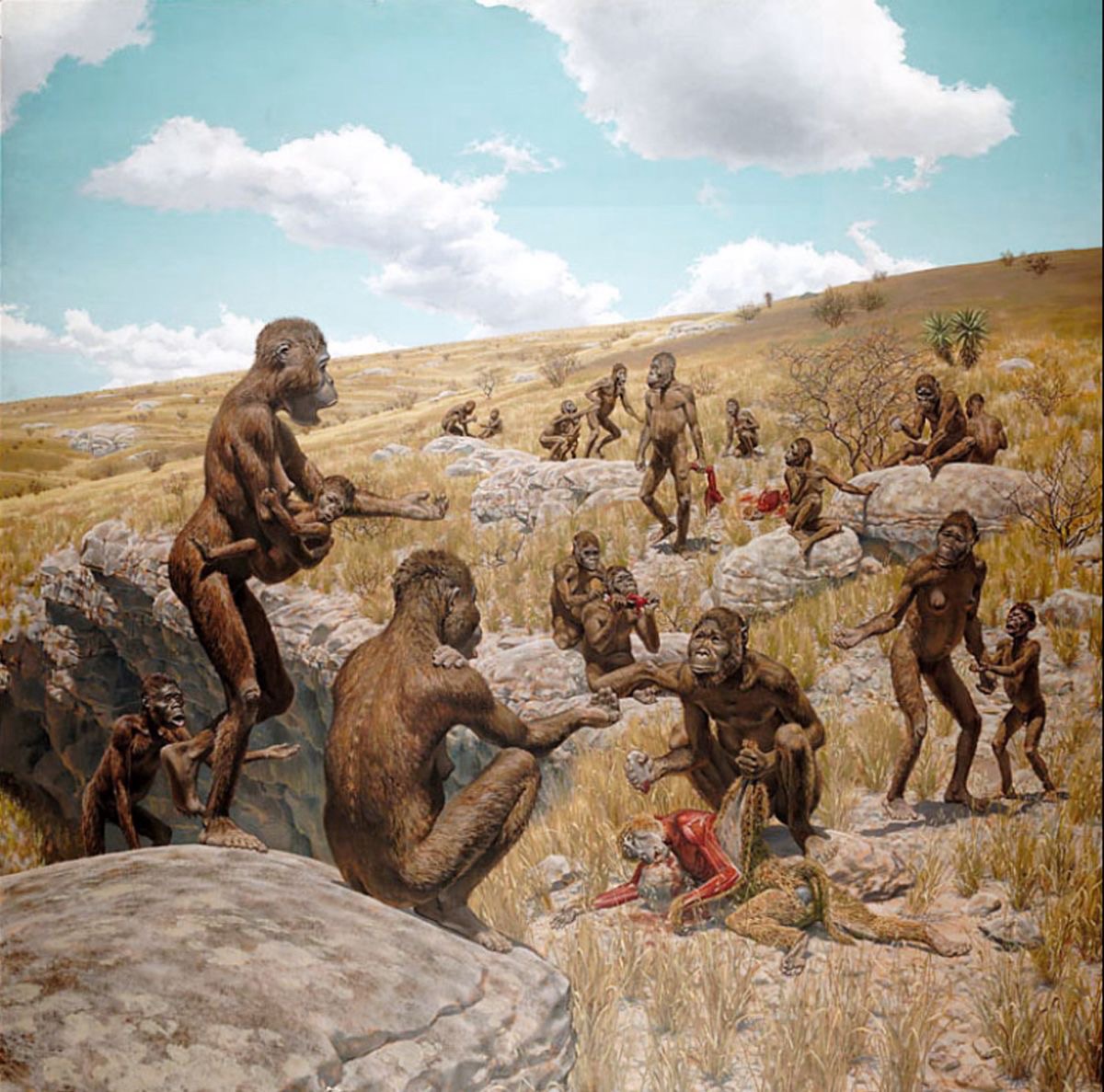
When we think about the origins of humankind, our minds often travel to the iconic sites of East and South Africa. Places like the Great Rift Valley, Olduvai Gorge, and Sterkfontein have given us the majority of our understanding of early hominins—those distant ancestors who walked the Earth millions of years ago. But what ifContinue reading “Exploring the Untapped Potential of West African Paleoanthropology”
 World of Paleoanthropology