***Update: Apparently some of my Lord of the Rings books got in XD. TOLKIEN FTW!!!***
Just thought I would share a quick view of what is currently in my library!
I will admit, I have not read them all yet, but I will get through them! For Black Friday, my local used book store is having half off! So good thing I made some room on the shelves!
Ancient human relative, Australopithecus sediba, “walked like a human, but climbed like an ape.” New Fossils Improve Our Understanding of Bipedality and Being Human
*BREAKING NEWS*
Newly described fossils of A. sediba show that sediba was capable of walking equally as well arboreally as terrestrially! Join us as we take a deep dive into this new announcement from Dr. Lee Berger et al.
Sediba first emerged with then nine-year-old Matthew Berger’s finding of the Malapa hominins on August 15th, 2008. As we have seen so many times before with such discoveries, the paleoanthropological world would never be the same again! This new species would hold many secrets, and li ke other finds before it, answer many questions. The thing with science, and especially paleoanthropology, is that the more we find out, it seems the more questions we have! There is always more to learn!
So, who is Australopithecus sediba? Sediba was found in Malapa, Gauteng Province, South Africa in a cave that was blasted open by miners nearly a century ago. Professor Lee Berger, Matthew, and a few friends were exploring the local area with their dog. Berger looked at his son and told him, “Go find some fossils!”. Little did he know, and dare he not expect what was about to happen.
“Dad I found a fossil!” rang his son’s excited voice, and there, in a large rock that had been blown out of the cave, was a piece of hominin clavicle. Even from a distance Prof. Berger knew what this was, for he had done his dissertation on the very thing.
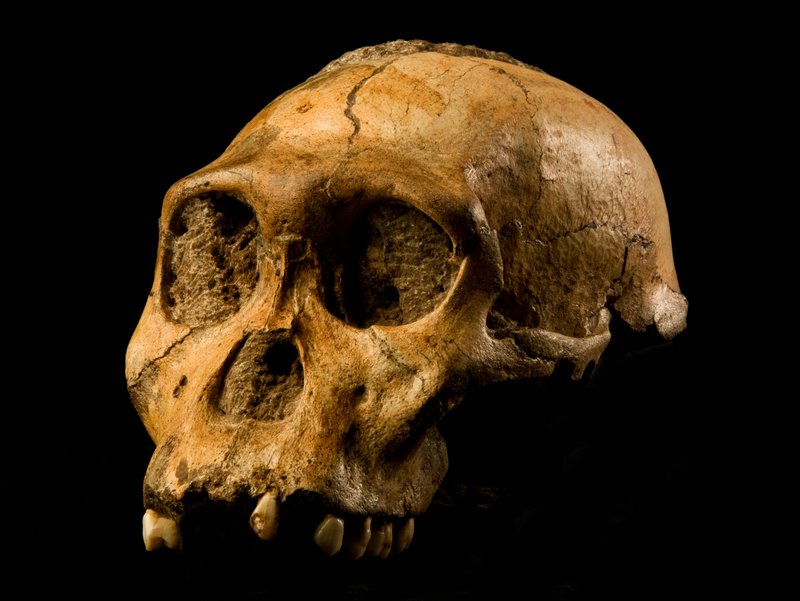
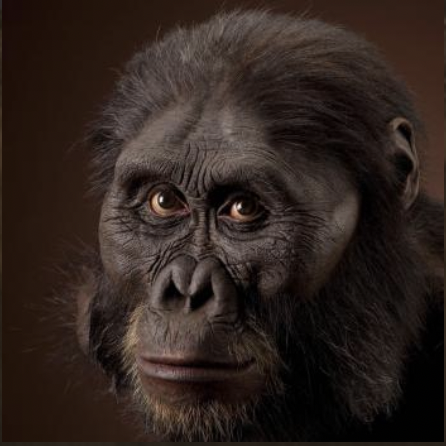
After excavation, examination and analysis, A. sediba was officially designated as a new species, and it was given a preliminary place on our family tree. Two partial skeletons were discovered: the holotype, MH1, a juvenile; and MH2, an adult female, newly dubbed “Issa,” which means ‘Protector’ in Swahili. Dating to 2 million years ago (MYA), these fossils did not seem to belong where they were found. These creatures seemed to be clearly adapted for a life in the trees, as shown by their upper and lower limb morphology. Examinations from Berger’s team tentatively assumed that sediba was an arboreal hominin, unlike some of its more well-known kin such as Lucy, (A. afarensis, 3.4 MYA).
One of the biggest questions in paleoanthropology is when did we become obligate (or full-time) bipeds? Bipedality is a universal feature of modern humans, and of hominins in general. It is one of the defining features. But we do not know exactly how bipedality came about.
In the history of the Earth, bipedality was nothing new. Dinosaurs and other early creatures experimented with it. Birds are bipedal. But no animal did what the ape lineage began to d o some tens of millions of years ago in the forest canopy. They developed long arms and legs and divergent big toes, and long, grasping fingers to hold onto branches securely as they moved through the trees.
The original sediba fossils from 2008 support the conclusion that like many arboreal primates, sediba could also move on the ground and probably even bipedally, but there was little direct evidence to show that they could walk for long lengths of time, as later hominins do.
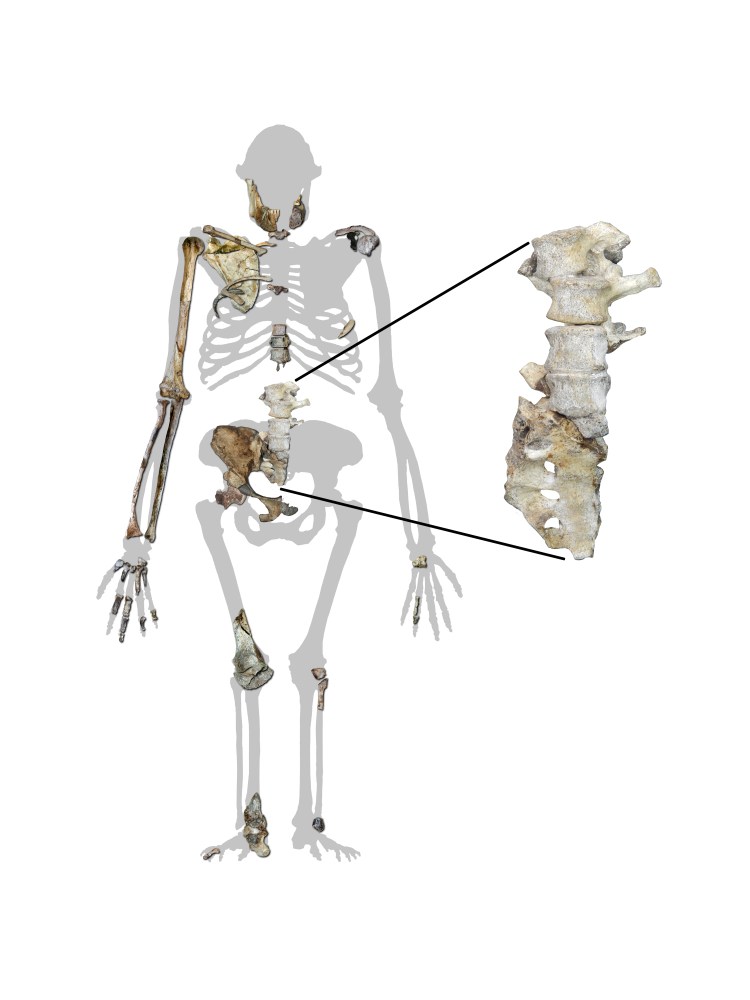
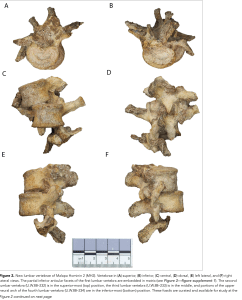
But now we have these new sediba fossils – several contiguous bones of lower spinal vertebrae. These new fossils show us a view we have never had of an early hominin, a complete view of their lower spine.
These lumbar vertebrae show some very specific features that support the hypothesis that sediba was an obligate, or full-time, bipedal hominin, who by choice or necessity could also easily climb through the tree canopy.
These new fossils show that Au. Sediba had what is called a lumbar lordosis, or curvature of the spine—-think of the “S” shaped spine of modern humans. This S shape is only found in creatures that are fully bipedal, providing strong evidence of sediba’s ability to move easily on the ground.
If this hypothesis proves to be true, sediba could be an updated type of “missing link” — with features extremely primitive and ape-like, as well as features that are found in you and I!
Despite the features of the 2008 fossils have that showed that sediba was adapted for climbing and arboreal locomotion, these newly described 2015 fossils show that sediba had very modern traits as well, traits that allowed it to walk upright through the woodlands too. These new finds shed light on a part of our history that we have so many questions about. While we may now have some answers to our questions, there are of course more and more questions! Only the future, and continued analyses and study will reveal the many secrets that these hominins contain, as a glimpse into our very distant past. There is much work to do!
So what does this all mean? Well, Sediba was is a perfect example of mosaic evolution, some parts of the fossils are more modern, while other parts are more primitive. There is no one link, no one species that fills all the gaps, checks all the marks. But what we have learned about sediba, will lead to a better understanding of how we began to walk upright, when, and possibly even why.
Well, there you have it! If you would like to learn more about these new fossil finds, please refer to the official media release statement from Dr. Berger and Wits University, as well as the Q/A that they have provided!
Media Release
“Ancient human relative, Australopithecus sediba, “walked like a human, but climbed like an ape”
New lower back fossils are the “missing link” that settles a decades old debate proving early hominins used their upper limbs to climb like apes, and their lower limbs to walk like humans
New York and Johannesburg – An international team of scientists from New York University, the Unive rsity of the Witwatersrand and 15 other institutions announced today in the open access journal e-Life, the discovery of two-million-year-old fossil vertebrae from an extinct species of ancient human relative.
The recovery of new lumbar vertebrae from the lower back of a single individual of the human relative, Australopithecus sediba, and portions of other vertebrae of the same female from Malapa, South Africa, together with previously discovered vertebrae, form one of the most complete lower backs ever discovered in the early hominid record and give insight into how this ancient human relative walked and climbed.
The fossils were discovered in 2015 during excavations of a mining trackway running next to the site of Malapa in the Cradle of Humankind World Heritage Site, just Northwest of Johannesburg South Africa.
Malapa is the site where, in 2008 Professor Lee Berger from the University of the Witwatersrand and his then nine-year old son, Matthew, discovered the first remains of what would be a new species of ancient human relative named Australopithecus sediba.
Fossils from the site have been dated to approximately two million years before present. The vertebrae described in the present study were recovered in a consolidated cement-like rock, known as breccia, in near articulation.
Rather than risking damaging the fossils, they were prepared virtually after scanning with a Micro-CT scanner at the University of the Witwatersrand, thus removing the risk of damaging the closely positioned, delicate bones during manual preparation. Once virtually prepared, the vertebrae were reunited with fossils recovered during earlier work at the site and found to articulate perfectly with the spine of the fossil skeleton, part of the original Type specimens of Australopithecus sediba first described in 2010. The skeleton’s catalogue number is MH 2, but the researchers have nicknamed the female skeleton “Issa,” meaning protector in Swahili. The discovery also established that like humans, sediba had only five lumbar vertebrae.
“The lumbar region is critical to understanding the nature of bipedalism in our earliest ancestors, and to understanding how well adapted they were to walking on two legs,” says Professor Scott Williams of New York University and Wits University and lead author on the paper.
“Associated series of lumbar vertebrae are extraordinarily rare in the hominin fossil record, with really only three comparable lower spines being known from the whole of the early African record.”
The discovery of the new specimens means that Issa now becomes one of only two early hominin skeletons to preserve both a relatively complete lower spine and dentition from the same individual, allowing certainty as to what species the spine belongs to.
“While Issa was already one of the most complete skeletons of an ancient hominin ever discovered, these vertebrae practically complete the lower back and make Issa’s lumbar region a contender for not only the best-preserved hominin lower back ever discovered, but also probably the best preserved,” says Berger, who is an author on the study and leader of the Malapa project. He adds that this combination of completeness and preservation gave the team an unprecedented look at the anatomy of the lower back of the species.
Previous studies of the incomplete lower spine by authors not involved in the present study hypothesized that sediba would have had a relatively straight spine, without the curvature, or lordosis, typically seen in modern humans. They further hypothesized Issa’s spine was more like that of the extinct species Neandertals and other more primitive species of ancient hominins older than two million years.
Lordosis is the inward curve of the lumbar spine and is typically used to demonstrate strong adaptations to bipedalism.
However, with the more complete spine, and excellent preservation of the fossils, the present study found the lordosis of sediba was in fact more extreme than any other australopithecines yet discovered, and the amount of curvature of the spine observed was only exceeded by that seen in the spine of the 1.6-million-year-old Turkana boy (Homo erectus) from Kenya, and some modern humans.
“While the presence of lordosis and other features of the spine represent clear adaptations to walking on two legs, there are other features, such as the large and upward oriented transverse processes, that suggest powerful trunk musculature, perhaps for arboreal behaviors,” says Professor Gabrielle Russo of Stony Brook University and an author on the study.
Strong upward oriented transverse spines are typically indicati ve of powerful trunk muscles, as observed in apes. Professor Shahed Nalla of the University of Johannesburg and Wits who is an expert on ribs and a researcher on the present study says: “When combined with other parts of torso anatomy, this indicates that sediba retained clear adaptations to climbing”.
Previous studies of this ancient species have highlighted the mixed adaptations across the skeleton in sediba that have indicated its transitional nature between walking like a human and climbing adaptations. These include features studied in the upper limbs, pelvis and lower limbs.
“The spine ties this all together,” says Professor Cody Prang of Texas A&M, who studies how ancient hominins walked and climbed. “In what manner these combinations of traits persisted in our ancient ancestors, including potential adaptations to both walking on the ground on two legs and climbing trees effectively, is perhaps one of the major outstanding questions in human origins.”
The study concludes that sediba is a transitional form of ancient human relative and its spine is clearly intermediate in shape between those of modern humans (and Neandertals) and great apes.
“Issa walked somewhat like a human but could climb like an ape,” says Berger.
Note: The virtual fossils published in the new study are free to download on Morphosource.org
Questions and answers about the lower back of Australopithecus sediba
Q: How were these new fossils discovered?
A: The block containing the fossils was removed from a trackway built by miners, who had a century ago blasted rock from what would later become known as the site of Malapa. The lumbar vertebrae discovered within the block were found to refit perfectly with previously known lower lumbar vertebrae of the MH2 skeleton.
Q: How do we know about the curvature of the lumbar spine and how does it relate to back problems in living people?
A: The upper and lower surfaces of the vertebral bodies are not parallel to each other. Instead, they form a wedge such that several lumbar vertebrae together create a curve, the lumbar lordosis (lumbar depression). This curve contributes to a balanced position of the center of body mass so that no force is needed to stand upright. If this balance is not achieved or if body mass compresses the lumbar spine too much, back pain can result.
Q: How do we know how many regional numbers of vertebrae a fossil hominin had?
A: Like us, all primates have multiple vertebral regions that serve different functions: cervical (neck) vertebrae, thoracic (rib-bearing) vertebrae, lumbar (lower back) vertebrae, sacral (pelvic) vertebrae, and coccygeal (tailbone) vertebrae. Most fossils are incomplete to various degrees. As far as completeness goes, the A. sediba partial skeletons are fairly complete. The adult female (MH2) now has a nearly complete lower back—all five lumbar vertebrae are represented, and we know that’s all there are because we also have the lower thoracic vertebrae and the sacrum, which surround the lumbar region.
Q: Might the curvature in MH2’s lower back be due to the fact that she was a female? Is it possible that male members of A. sediba didn’t have lumbar lordosis?
A: This is certainly a possibility. A. sediba falls nearest the modern human female mean, whereas a male A. africanus specimen, a close relative of A. sediba, falls near the modern human male mean. Modern humans are sexually dimorphic, where females demonstrated more lordosis on average than males, although significant overlap between the sexes exists. We might expect male A. sediba individuals to show less evidence for curvature than Issa (aka Malapa Hominin 2) and other females. There is a male partial skeleton (“Karabo,” Malapa Hominin 1), but it belongs to a juvenile individual currently known from just two lumbar vertebrae.
Q: What movements does one observe in the lumbar region?
A: The lumbar region allows flexion (forward bending) and extension (backward bending), with limited lateral bending. Rotation is restricted in the lumbar region, whereas it is achieved in the thoracic region. These movements are achieved (and prevented) largely by the orientation of the intervertebral articular facet joints, which are generally flat in thoracic vertebrae and curved in lumbar vertebrae.
Q: We know now that A. sediba had five lumbar vertebrae, just like humans. Why is that important to know?
A: Numbers of vertebrae above the pelvis (presacral vertebrae) are highly conserved in mammals (https://ecoevocommunity.nature.com/posts/48312-on-the-backs-of-mammals-evolutionary-constraint-in-the-evolution-of-the-mammalian-vertebral-column). Therefore, they are useful for figuring out how fossils are related to each other and to living species. As far as we know, all hominins have five lumbar vertebrae, but A. africanus, A. sediba, and Homo erectus differ from the average modern human in having a more mobile last thoracic vertebra, adding to the mobility of the lower back and potentially facilitating lordosis in these species.
Q: With its mosaic features, is A. sediba a “Missing Link”?
A: The term “Missing Link” is often used to speak about ancient human relatives. It derives from the idea that evolution is like a “chain” where one species inevitably “links” to the next more advanced. This is where the misleading image often seen on T-shirts of the “march of progress” from a primitive four-legged ancestor all the way to modern humans. Evolution doesn’t happen that way and the actual image of human evolution is more like a braided stream, with complex interactions occurring between species in the past through gene exchange. Some species go extinct, some share their genes with others, and some persist through long periods of time, but may make no contribution to future generations. Issa’s spine though is a sort of missing link between the upper body and lower body. Some scientists had long thought that australopithecines like A. sediba climbed well due the anatomy of their upper limbs. Other scientists disagreed seeing the adaptations in the lower limbs as committed to terrestrial bipedalism and early hominins would climb no better than a human and certainly not as well as an ape. As the spine “links” the lower body with the upper body, it shows us, in Issa, that she could and did climb using her upper limbs as well as many apes, but it also shows she could walk on two legs extremely well. So, the discovery of her spine was in some ways the “missing link” for proving that A. sediba could climb as well as an ape, but still walk on two legs efficiently.”
What an amazing announcement! We are so grateful to be a part of sharing this amazing news, and helping educate and share the information so that all can understand it! If you have any questions, please feel free to contact myself at worldofpaleoanthropology@gmail.com or any of the listed contacts above!
Now, before we go, let us give a quick thanks to all of the authors involved!
Well, and there you have it! What an exciting day! I thank you all for participating with us here, and I hope you have learned a great deal and are now up to date with some of the latest ideas and hypotheses!
Be sure to join us next time!
Seth Chagi
Project Director
World of Paleoanthropology
You can find a link to the actual paper below, and in our Featured Papers section!
Following up on our very popular posts on the “Top Ten Modern Anthropology Books, Lectures, Documentaries” etc. we have a new article to share with you! The Top Ten Anthropology Related AudioBooks of 2021! (Look for updated versions of the other lists in early 2022!) I don’t know about you, but while I love reading, and you can always find me with multiple physical or ebooks in hand, sometimes I just do not have the time to read all of the books that I want to! And there are so many new ones published all of the time, especially in the last few years with how many major discoveries there have been over the last decade. Sometimes, it is just nice to sit down and listen to a good audiobook, either in your garden, on your couch, or on your way to and from work. Audiobooks are a great way to fill gaps of time where you are otherwise occupied. I love them, and I know that I am not the only one!
So for those of you who do not have the time to read physical books, and or just are a fan of audiobooks like myself, please check out the following list! It is not in any particular order, not by popularity or rating, just in the order that I thought of them in. I highly recommend each and everyone of these books as great educational sources for those interested in Anthropology and Primatology, Human Origins, and our beginnings, there is so much to learn!
While I have not written full reviews of each of these books, I do plan on it, and will get to it as soon as possible! Please look forward to that, but in the meantime, please enjoy and learn from the following!
The links provided lead to Apple Books audiobooks, but they can also be found on Audible, and your other audiobook sources.
“A dramatically new understanding of human history, challenging our most fundamental assumptions about social evolution-from the development of agriculture and cities to the origins of the state, democracy, and inequality, and revealing new possibilities for human emancipation.”
“Thrilling…a bracing summary of what we have learned (from) archaeogenetics-the study of Ancient DNA….Krause and Trappe capture the excitement of this young field”-Kye Harper WSJ
How did the dog become man’s best friend? A celebrated anthropologist unearths the mysterious origins of the unique partnership that rewrote the history of both species.”
“A radically immersive exploration of the three pivotal moments in the evolution of human consciousness, asking what kinds of creatures humans were, are, and might yet be!”
“Our species’ unique capacity for culture began to evolve millions of years ago, but it only really took off in the last few hundred thousand years. This capacity allowed our ancestors to survive and raise their difficult children during times of extreme climate chaos. Understanding how this has evolved can help us understand the cultural change and diversity that we experience today.”
Hopefully, you have found these as enjoyable and educational as I have! Let me know what you think, and what books are your favorites as well!
The world as we know it, and especially how we do not know it, is an amazing thing. We discover new things each and every day. About our present world, the future of that world, and it’s past. The more we learn, the more questions we find need answering. From the start of life on earth, to the very first of humankind, there is just so much we wonder, and do not know about. Science, is a way of looking at the world where things are proven by testing, by curiosity and the people who forward this research. For many, science almost has qualities found in the place of religion. While many scientists are religious, and maintain a connection to the divine, following the rules of science can be quite common as well.
One specific area that we strive to learn so much more about, is our own history. Yes one could follow our history back to the first one celled organisms surviving in pools of water But where most people go, is to our own history. They wonder, “Where did I come from? Where did we come from?” When studying Human Origins, what we focus on, is when we split from our closest cousins, the apes, and what the common ancestor may have been. Anthropology is the study of humans, and everything that humans do, or have done; previously, presently and into the future of where our species is headed is Anthropology. From Cultural Anthropologists who study the amazing and varied cultures of the world past and present, to the good people in the lab, using air scribes to blast dirt and rock from fossils and bone. There is so much to learn about this world, and about ourselves. It is through science, education, and Anthropology that we have any hope of learning of our origins. To learn the past, is to build the future.
So then, what is Paleoanthropology?:
So what are we even talking about here? What is Paleoanthropology? To be specific, it is the study of the origins of man. While we may look to modern, and ancient apes for clues on how our ancestors acted and survived a great deal, it is specifically the human lineage that we are referring to. From the earliest bipeds that some refuse to call human, right up to our modern-day bodies, a span of about seven million years of evolution. This time period is very gray, we know very little about this period, even less than we know about dinosaurs which lived sixty-five million years ago! There are so few fossils and tangible evidence of fossil apes and hominins, or bipedal apes that belong to our braided stream of a family. The reason for this, is while the dinosaurs were all over the earth, providing many various circumstances to preserve fossils, hominins are strictly from Africa, and the environment is not prime relegate for the creation of fossils. What we know from Paleoanthropology one day, can completely change the next.
At this point, we know more about Human Evolution than we ever have, in fact, for the first time in United States history, over 51% of the population agrees with the Theory of Evolution, but that means nothing, as new finds destroy previously held beliefs. It was once said in 2001, that there was nothing left to find, since then, multiple entirely separate species have been named and accepted.
Paleoanthropology is an ever-changing field with new information coming out weekly, if not daily. As we study Human Origins, we begin to understand ourselves, and the world we created better. Human Origins, the search for possibly the most valuable and precious items we know of, fossils, is an amazing journey that one can undertake. Either from their armchair at home, or deep in the African wilderness, searching for these fossils yourself, the adventure is never ending. “The road goes on and on, down from the door from which it came…”
In short, Paleoanthropology is the study of Human Origins, where we came from, using the Fossil Record and new DNA technology, we are learning more about ourselves than ever before. Paleoanthropology is one of the most interdisciplinary fields in science. Requiring team work between geologists, chronologists, anthropologists, biologists, archaeologists, cavers, and so many more experts, it really takes a team to come to the proper conclusions. Or, as close as we can get.
Now, some of you might be asking yourself, why does it matter? Many people explain our origins through religion and spirituality, but many depend on the modern, accepted versions of the Theory of Evolution. For some, there just is no interest, they do not ponder nor wonder where our species came from and that is ok. For those of us who care, its like an ever pulling sensation to learn more, to learn as much as you can. To learn of our origins, how we came to be on this earth, and following the evolutionary path of our ancestors, is what allows us to see our future. Knowing where we came from, can show us where we are going.
Those who find themselves in awe of this evolution, cannot learn enough. Knowing where we came from is a gift to these anthropologists. It is what their life work is about, and it can change the way in which we see the world and our place in it. Why are we so special and so different from any other animal alive today? Why are we the only hominin species to survive? (At least up to the last ten thousand years in some cases). These are the holy grail of questions. To answer them, one needs to know not only the history of Paleoanthropology itself, but the tools and methods that are used therein.
There are few things more important the grand scheme of things than where Homo sapiens came from. It is us, our past and our history, Through amazing hardships and trouble, our ancestors in one way or another survived, thrived and led themselves to where we are standing today., Ancestry is all, and that is why Human Origins is important, to understand that, and how important this information is for our species.
So where did it all begin?
The study of Paleoanthropology is a relatively new science, even when compared to other fields of Anthropology and evolution. Who knows how many thousands of years these fossils and evidence of our current situation have been lost. But it all started with a find in the Neander Valley, in Germany. Where the skull cap and leg bone of some sort of mysterious human were discovered. This was before Darwin’s very famous book The Decent of Man. Which laid the foundation for the ideas of Natural Selection and Common Decent.
We had no idea about where we came from or what these old strange fossils meant. Well, scientifically of course, there are plenty of people who had a religious explanation. But since the time of the renaissance, (not including an individual here and there), some people began to question the physical world around them, and wondered less on what lay beyond life, but rather what lay in front of them. There was the idea that we were related to the great apes of Africa, as suggested by Darwin. But no one at the time wanted to think that they were “Descended from monkeys”. One has to remember that during this period of time during the 1800s, the world was changing vastly, and Europeans were pulling ahead in the field of science, and wanted the glory of having the missing link in their very own back yard. Today, we know the damage that this superiority complex and colonial take over has caused for the study, the biases and incorrect work that has been done since that we are still trying to fix and work out to provide a better picture of the actual data.
The idea of the “missing link” came across when anthropologists and archaeologists first started to believe that we had a common ancestor with chimpanzees and other great apes, one believed that there had to be some sort of link, or connecting species that made it possible for our evolution. This did nothing to quell the fears or the hatred of the idea that we came from the apes.
As we know today, Human Evolution is not linear, and is a braided stream rather than a straight line. There is no one missing link, they are all links in our evolutionary past. Species genetic information comes in, and out of our history, in our own DNA we show traces of other species, appearing at different times and in different locations.
This want for glory by the Europeans, especially the British ended with a massive hoax that lasted for over fifty years. (If you are reading this on the night of it’s republishing, it is actually the anniversary of the unmasking of said hoax!) Piltdown man, was supposedly the missing link itself, it had the features of a modern man, and that of an ape. The scientific community went crazy, and to top it off it was found in Britain! What better luck! There was a general consensus that this was indeed what they were looking for when it came to the missing link. Fast forward half a century, and new technology revealed that this missing link was indeed fake. Using a human cranium and a mandible from an orangutan, while filing the teeth, this skull was created, and it fooled even some of the most esteemed scientists for a long time. No one is sure who pulled the hoax, but there are a few candidates; but its unlikely we will ever find out the absolute truth in this situation.
Fast forward a little more, and we have the discovery of Australopithecus africanus in South Africa, by the notable Raymond Dart. Not only did this shock the world, but it began to show that possibly, as Darwin suggested, our roots were to be found in Africa, along with the great apes. Since that time, more and more early human species have been found throughout the continent of Africa. Proving that is where we originated. None of these early humans, Australopithecines, were not found anywhere in the world save in Africa. These first bipeds and somewhat chimp/human-looking creatures are found nowhere else. The only fossils we begin to see elsewhere around the world is Homo erectus. The first species to leave the continent after their development millions of years later.
Homo erectus then began to evolve in situations to match their needs, and we have splits and other species branching off of them, leading up finally to more contemporary species, such as the Denisovans, Neanderthals and Us. It has been a long journey and the world of paleoanthropology has gone through some major changes. From scientists hiding the finds in their labs until they were ready to show them to the world, to free access publication in online journals, and the publication of free 3D files, and models.
Lee Berger, is at the fore front of this initiative, and has helped spread education far and wide with the help of notable educational professionals such as John Mead from Texas.
In short, that is a very basic introduction to the history of Paleoanthropology, there is so much more to learn and discuss of the history of the search for Human Origins I implore you to go out and do some research on your own. If we included it all here, this would be a much longer article. So go! Explore!
The Present Day and Future of Paleoanthropology:
The way in which we go about our studies of our origins, has changed much over the last few decades, from only being able to rely on the fossil record, to DNA evidence that has helped decipher some of the many codes and questions that we have about our past. Each year it seems, if not more, a new method of testing, examining and describing these fossils and DNA evidence appears. Some are more controversial than the other, but these methods not only shed light on things we did not know, but help to clarify some of the questions that we have. Even things we thought we knew about, are viable to change and to alter. As we learn more it’s apparent that we truly do not know much about where we came from. There is simply too much wonder out there in the world to properly say we know where we originated.
This leads to even more discoveries, and allows puzzle pieces to come together. As new technologies are developed, the better tools we have to study these amazing specimens. The future of Paleoanthropology, and Anthropology, in general, is very bright. New discoveries lend lifeblood to the field, and just bring up so many other questions that we may never have the answers to. But the only thing we can do is to continue exploring, and doing the research that must be done.
Conclusion:
The World of Paleoanthropology is truly an amazing one. It some of the most active scientific explorations going on in the world right now. Until recently there were more students than fossils to examine, with recent finds this has changed things in a positive way, as there is just so much research to be done. What role our origins play for you? If it works for you great. But there are some that cannot sit idle, the wanderlust is just too strong of a force, and it is because of these people that we know anything about our past at all.
The important role of knowing where we came from, is the key to our future, and where we go from here. As we understand evolution and its cause and effect not only on us but all living beings, we begin to see the connection. Yes, we are different than any other animal today, but it ways not always so drastically as one thought. It is only for the last forty thousand years that man has gone unchallenged (save in a few specific and until recently, unknown areas, aka Flores).
There is just so much left to learn that the only way is to keep exploring, and to never cease our efforts to find where we come from.
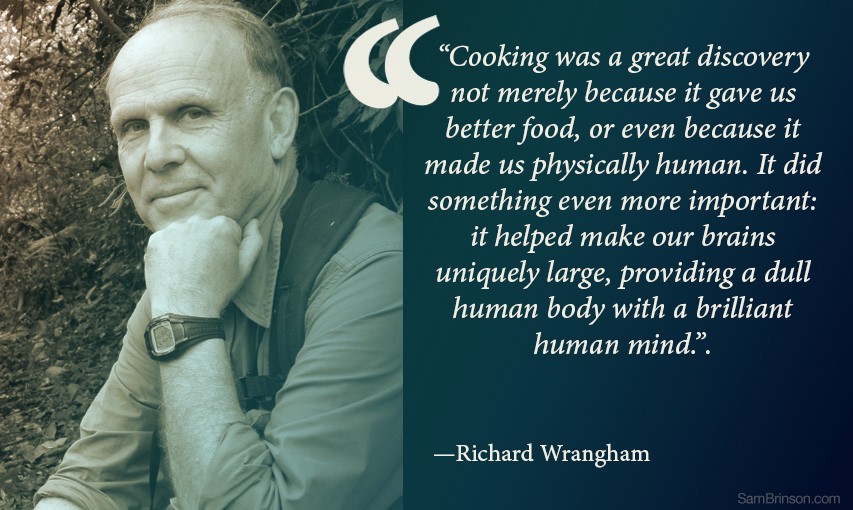
Today I would like to share my latest paper for my Behavioral Evolution class, I think you will like it, and I hope you will learn from it! I shall also consider this a review of the book, “Catching Fire, How Cooking Made Us Human” by Dr. Richard Wrangham!
If you enjoy what is discussed here, be sure to pick up you own copy of Catching Fire!
Catching Fire, How Cooking Made Us Human, a Review
In “Catching Fire, How Cooking Made Us Human” by Dr. Richard Wrangham, we learn about what is possibly the most important change in human, and pre-human history. Fire changed everything that our ancestors did, from how they digested food, to how they hunted and fended off predators. Fire changed how we viewed the world, it spurred on the formation of culture as we know it today, and led to massive dietary changes that allowed for the explosion in brain size we see between H. habilis and H. erectus in the fossil record. While there is little actual evidence of fire in the fossil record, at least until much more recently, it is difficult to say for sure just exactly how the first hominins came across fire, and how they used it. What possessed them to take something that they knew would be so dangerous, and apply it in the ways that they did? We may never know for sure, but we can look at the biological changes that have brought us to be where we are today, and we can trace the very roots of our many cultures to sitting around the campfire, preparing food. Dr. Wrangham proposes the “Cooking Hypothesis” in this book, which since its publication has been widely accepted, and changed the way we view early Homo. While fire may date back much earlier than we know currently, the basis of its effects remains the same. We would not be the same without fire, it has fueled our evolution and fuels the machine of our modern world. But how?
The book starts, as most books on Human Evolution do, with a recap of the fossil record, who is, and is not a part of our “family tree”. We learn the names of various hominins and specific specimens, and then we get into the biology of it. Discussing how these animals evolved to survive, and what they did to find shelter, safety, and for the purpose of this book, most importantly food. According to current Paleoanthropologic hypotheses, Homo habilis, “Handy Man”, was the first hominin to make and use stone tools. While this idea has been challenged since Wrangham’s book was published, the fact that they were able to scavenge, and eat meat, with the use of said tools, was a huge development in our history. What would soon become clear, was without fire, meat did not have the same effect as it does today. Fire had an important role in our early evolution into Homo. Before habilis, we had the Australopithecines, creatures that were more ape-like than human, but a far departure from our common ancestor with the great apes. They ate hard, tough food, such as roots and tubers, that had little nutrition, it was enough to survive, and our brains grew at a steady rate, but it was nothing spectacular. Soon bone marrow was discovered as a reliable, and easy food source, and that helped us along quite a bit. But because of what we ate, we had to have the right “tools” to do so. We had larger teeth, the massive molars of Zinj, and huge muscles connecting sometimes to a large sagittal crest. We had larger intestines, that were harder to handle bipedally than what we have today. We survived, we continued to evolve, and that is how it was for millions of years. But then, somehow, somewhere on the continent of Africa, lightning struck. Some curious hominin carried this fire back home or used it in situ by some miraculous reason to cook meat. With that, a new age began. Fire allowed us to cook our food, which truly unlocks the potential nutritional value of not only meat but fibrous plants as well. Digestion became a much easier task, requiring less energy. This was diverted to brain growth, and we could walk, and run in more efficient ways as our guts shrank, a more anatomically modern human morphology took place. All of this was brain food, and in what is an extremely short time geologically, our brains exploded in size. Going from around 750cc in an adult male habilis to 1200cc erectus, which very close to our volume. The modern human body was beginning to truly take shape, and with the growth of our brains, many more changes were to come.
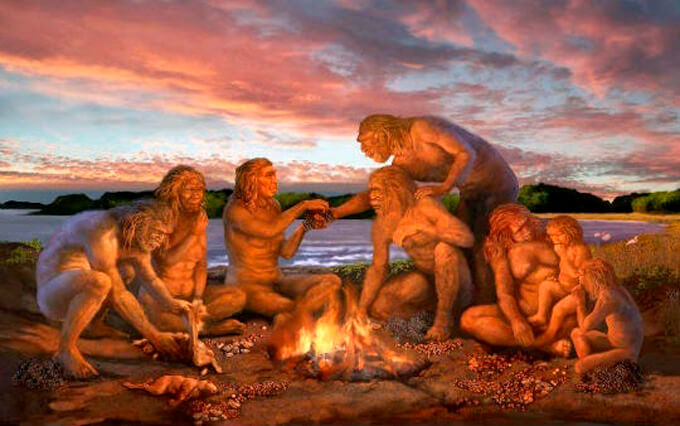
With the newly freed up energy from digestion going straight to brain development, many morphological changes occurred to the skull of erectus. As erectus moved around the world, it became more adapted to its environment, which would have been impossible without the nutrients brought on by cooked food. With fire, food became physically easier to chew, which led to smaller teeth than our contemporaries, and smaller chewing muscles as well. This led to a reduction in skull size, and prognathism, which created a more “modern” looking face. Erectus fossils are found around the world. Their behavior, their skills, dare we say their culture dare, was something the planet had never seen before, and this was because of the changes that fire brought to their brains. We can only presume that erectus hunted, with their ability to run long distances. It is supposed they were very like modern-day hunter-gatherers still present in Africa. They would hunt, bring back the food, and cook it. Cooking takes time. The hominins would have to sit around a fire, waiting for the food to be prepared. They had to learn how to be patient, to be social, how to behave, and how to work together to achieve common goals for not only the small family units but for the group as a whole, started to become critically important. A new behavior not seen prior. Erectus went from only being able to be active during the day, the diurnal creatures that they were, but with the introduction of fire, suddenly traveling, and possibly even hunting at night became more plausible, albeit dangerous still. The cultural implications of having fire could very well be what set us on the road to where we are today, as the earth’s most social creatures. Sitting around the fires, we can imagine that storytelling perhaps had its first roots, that language and communication reached a level not seen in other primates, unique to us. Would any of this have happened without fire? Without cooked food?
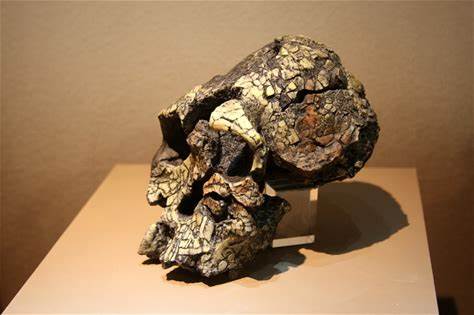
As discussed previously, fire also had a major effect on our physical bodies from early on. Evolution occurs when there is a need to adapt to a new environment, or challenges in ones environment. With the earth’s ever-changing climate, the fluctuations have been something that we have been dealing with for millions of years and we have learned a trick or two, but it has not by far been easy. Homo erectus had to adapt, culturally and physically if it were to become the most successful hominin, even against us arguably, in the history of the world. Fire fueled that change, that evolution. The bodies of homo erectus were different than anything we had seen before, which was arguably quite more “ape-like” than human. When we look into the orbits of Nariokotome Boy, we see, possibly for the first time, a true sense of humanity as we recognize it today. The expansion of the brain that occurred around 1.5-2 MYA was, proportionately, unheard of in the animal kingdom. Almost doubling in size compared to their predecessors, erectus was able to do things no hominin had ever been able to do. Reaching all through Eurasia, almost into Europe, and down to Polynesia and the tip of the land. They had the brainpower to do it, they had the toolset to make these remarkable treks and changes that would lead them to us. And it all started with cooking, and allowing our bodies to better digest food that we found. We went from being the hunted, who scavenged for food on the ground, to the hunter, with a bountiful supply of prey for an ever-growing brain.
According to the FDA website, an adult human male, ages 30 and up, should consume anywhere between 1800-2500 calories a day to maintain a healthy weight depending on activity level. For an animal of our size, that is a massive amount of energy consumption, and most of it is used by our brains alone, 20% in fact. For early hominins, especially those before eating raw meat, it would have been nearly impossible to achieve such a massive intake, especially in groups. With the discovery of fire, less became more. We could unlock the potential of raw foods, and we took every advantage of this that we could. Our brains could finally be unshackled. We truly became what one could say is recognizably human, compassion, care, possibly love, became possible in erectus with the advanced social and behavioral skills that they would have been forced to develop to survive in the ways that they did. Today, fire heats our homes, indirectly now, but it powers the machine of the city. The Industrial Revolution would never have happened without the discovery and use of fire to its fullest. Our modern world, let alone our modern bodies, would never have existed had we not taken that giant leap, and changed the world forevermore. Fire is sacred in so many cultures around the world, and it’s easy to understand why. Often a gift of knowledge or life, fire is the literal light in the darkness, and it puts warmth in our bellies. Next time you stare into a flame, remember what it has done for you, feel the voices of all those millennia of generations that have gone before who would not have without this magical, dangerous, unpredictable, godly, force. In “Catching Fire…” by Dr. Richard Wrangham, the author truly presents a hypothesis that is hard to counter, and, in my mind one that will one day become an even more recognized theory, as we learn more about our lives and development into anatomically modern humans today.
The year was 1974, and a young man named Don Johanson was surveying land in Hadar, in the Afar region of Ethiopia, Africa. The day was November 24th and the scientific community would never be the same.
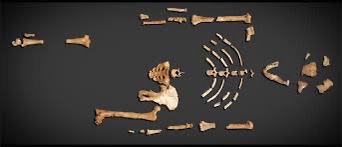
“They had taken a Land Rover out that day to map in another locality. After a long, hot morning of mapping and surveying for fossils, they decided to head back to the vehicle. Johanson suggested taking an alternate route back to the Land Rover, through a nearby gully. Within moments, he spotted a right proximal ulna (forearm bone) and quickly identified it as a hominid. Shortly thereafter, he saw an occipital (skull) bone, then a femur, some ribs, a pelvis, and the lower jaw. Two weeks later, after many hours of excavation, screening, and sorting, several hundred fragments of bone had been recovered, representing 40 percent of a single hominid skeleton”(https://iho.asu.edu/about/lucys-story).
This discovery is mind-blowing in so many ways. While Lucy is no longer the most complete hominin skeleton every found, she is still the most complete skeleton from 3.2 MYA. Nothing else compares to her completeness and age. (Ardi comes in at about 4.5 MYA and I was unaware of that at the time of this writing).
We can learn a lot about this A. afarensis specimen about not only their species, but about the roots of humanity all together. Getting this glimpse into the important time of around three million years ago reveals many secrets of the past, but if nothing else adds even more.
We have learned about bipedalism, diet and habitat, growth and life cycles. Sexual Dimorphism, the list goes on and on. We know more about Lucy’s species than probably any other out there. (I’d change this to Neanderthals) Why is that? Because Dr. Don Johansson is a genius.
Creating the most public and publicity driven discovery of the century, Lucy went on trips around the world, and Don is a great orator and story teller. He captivates audiences with his tales and stories from when he found afarensis. Even now, 45 years later, his story captivates the minds of the older generation down to the youngest.
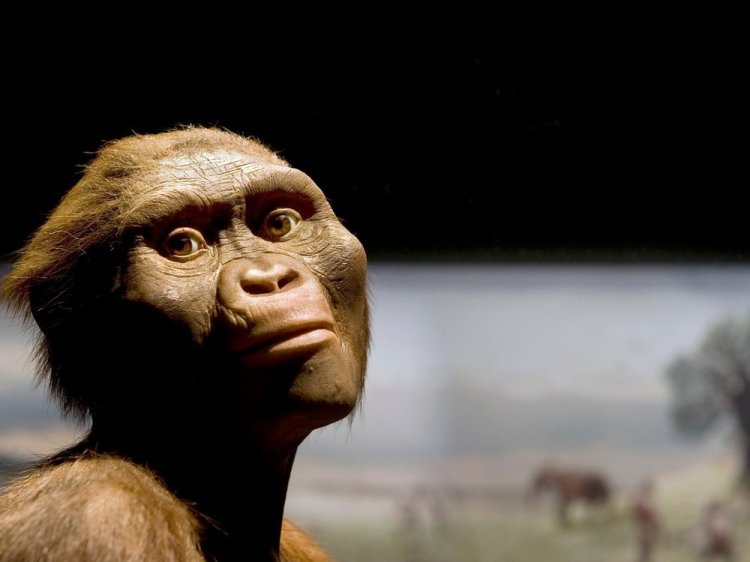
As a science communicator Mr. Johanson as made great leaps in the sharing of data, and the story behind his find. There are restaurants, hotels, and sports teams named after Lucy, also known as Dinknesh in the language of Ethiopia. Which means something along the lines of marvelous one. There are few people in this day and age who have not at least heard of Lucy, and considering this discovery is almost half a century old, that is something to be proud of. Even extremely important and new finds such as Homo naledi in Rising Star, is eclipsed by the famous Lucy. (This is arguable is the Neo, and Leto announcements).
Known as an ambassador from the past, this specimen is something truly stunning to behold. Rarely are complete or near complete skeletons found, and it is unheard of prior to Lucy to find one so old. Covering over 40% of her entire body, we can reconstruct this afarensis and see not only what they would have looked like morphologicaly, but as well as how they would have moved, which gives insights to their daily and overall lives.
Lucy is often what brings people into the field, they hear her name and get curious and BAM you’re sucked into the world of Paleoanthropology.
To this day there is so much we can learn about this species, and Lucy in particular that there never seems to never be an end to the research, which is as it should be. Even today Dr. Johanson is going around giving lectures and sharing his, and Lucy’s unique story, explaining her importance, and more about what she means for the anthropological world, and our common lives all the same.
Lucy, the Australopithecus afarensis has shined a light on a time period we know very little about, and has shed light on our earliest ancestors, in a direct line, allowing us to learn and learn. Work on Lucy will probably never be finished, and that is ok. With answers come more questions and hypotheses.
The best way to keep Paleoanthropology alive, is by fueling the next generation to be as excited about the past as many of us are today. Lucy is a great starting place and a place where young ones can truly begin to get a grasp of how we got here, answering the age old question of “where did we come from?”.
Only the future, despite her long past, holds the keys to Lucy’s secrets, and the future of the science in general.
Never forget Lucy or the significance of her find, as they have shook up, and continue to shake up the walls of what we know about what it means to be human. Lucy was not human, far from it, but from her skeleton we can glean so much about our own past.
Dinknesh is truly marvelous.
Please enjoy this lecture from Dr. Johanson, recorded only this last month.
Well, in the wake of the announcements of the Leti discovery, I found this old paper I wrote years ago, before getting really involved with Paleoanthropology, and thought it would be interesting, in retrospect to see my thoughts on this topic then, vs. what we see now in the Leti discovery, which you can learn about here.
The Case for the First Human Burial
When one considers a burial, the most basic thing that comes to mind is someone or something being buried in the ground. While this is true, when viewed from an anthropomorphic point of view, there is alot more to it.
A burial goes from being dropped into the ground, to ritualized intent, where there is care given to the individual not only for its physical body but for its afterlife as well.
Today we are the only known species of, well any animal that buries it’s dead. It’s something that marks us as unique. But it has not always been this way.
Red Ochre on Bone
We have evidence that before us, or alongside with us, Neanderthals ( a close human relative) buried their dead as well. We have substantial proof of these burials from sites in the middle east.
The oldest modern human burial that we know of today comes from Qafzeh, Israel. Here modern human individuals were found stained with Red Ochre and were discovered with various burial goods, which one would assume could only be for the afterlife. These finds date to about 100,000 years ago.
So that is it right? There is the case for the first true human burial, in Skhul Cave, At Qafzeh. Well not necessarily. There is in fact evidence and a high probability that these are not the first human burials we know of. At least as of 2013.
Qafzeh 9
But I guess it all goes back to the idea of what you consider human. If we are only speaking of Modern Humans or Neanderthals then the picture becomes more clear, despite how fuzzy it remains.
But what is a human? If we are talking about us, Homo sapiens it can be more obvious. But we are but one of many human, or hominid species that have existed thorough out time. In 2013 Dr. Lee Berger and his team announced the discovery of a never before seen hominid species. Dubbed H. naledi, this would be a ground breaking discovery. In fact it is what we rated as the top discovery of the last decade.
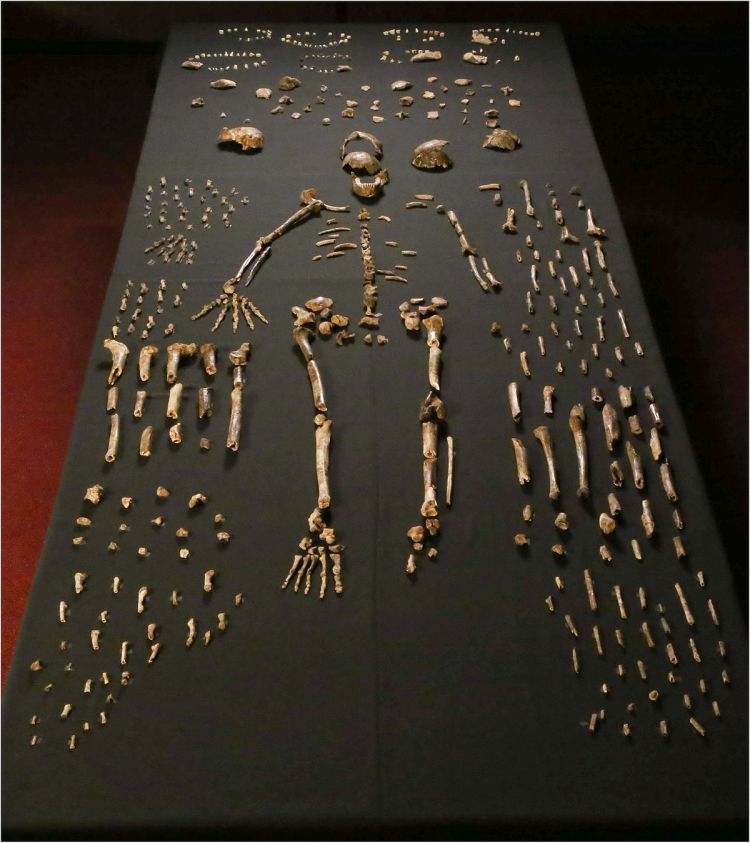
What was so amazing about this find? Well, there are many reasons, and if you have read our posts before or know the stories you will know what we are talking about. In short, we have new hominids, in a new area, doing new things, and a large collection of them.We found over fifteen individuals, in various forms of completeness, and suddenly there was so much to study and learn!
The hominins were found deep, and we mean deep in a cave system called Rising Star. They were found in a chamber within the cave system, somewhere that would be very hard for any animal to access with the current, and predicted geological features found at the site. There is only one way in, and it seems to have been that way for millions of years.
With no other animal deposits in the cave it was clear this place was not accessed on the frequent, at least not just by anyone. With no signs of predation, habitation, flooding, or accidental deposition, how did all of these individuals get there? And so we have the dilemma.
Was Homo naledi, which has been dated to about 250k years ago, burying its dead? Millenia before modern humans or neanderthals? Lee Berger and his team would like us to believe so.
And to be honest, it’s hard to argue against, there is a counter to every argument that has been presented thus far leaving nothing but some sort of intentional disposition. Most likely, the dropping of these individuals down a narrow shoot used to access the chamber.
So, what do you think now? It seems the idea for Naledi interring its own dead with some sort of intent! Once the plausible is ruled out, there is only the impossible!
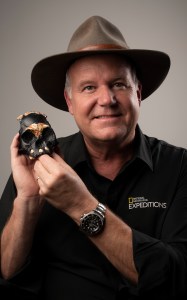
As a senior editor at the world renown Scientific Journal Nature, I was surprised when Dr. Gee approached me, and offered to have an early copy of his book sent to me for review. Let’s just say I was a little in shock that someone who had such a prolific career would be interested in my opinion, but you bet I snatched up that opportunity as fast as I could! Let me just say, as you will hear, if you have not already read the review (Catch that Here), I really, really like this book. And thats not just because I am part of the release campaign 😉 It really is a great book.
Firstly, its nice, despite how much I love it, to do something involving science a little outside of my typical field of Anthropology, do not get me wrong, there is plenty of that in this great little book, about a solid third of it, but the story prior is just as amazing and interesting. I truly learned so much.
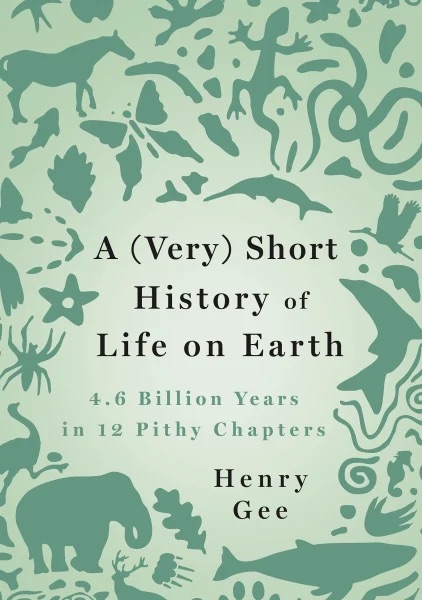
Releasing Nov. 9th 2021, A (Very) Short History of Life on Earth by Dr. Henry Gee is not a book for STEM educators or enthusiasts to miss!
I loved spending the time I did with Dr. Gee, he is truly a funny, and passionate guy! We had a great chat, that could have gone on for hours, and would have had “Leti”, the new H. naledi child skull found by Lee Berger et al. not been announced immediately prior at five in the morning!
I am honored to call Dr. Henry Gee, author, and editor at Nature among many other things, as one of our guests here at W.O.P.A. Hopefully we can continue to work together to promote science education!
Be sure to view our interview with Dr. Brophy, lead author on one of the papers describing this amazing find!
Well Good Morning!
What an exciting day it is for the World of Paleoanthropology, anthropology, and archaeology in general!
I had the delight of waking up at 5 am this morning, (did I just say delight?) to watch the live press conference delivered by Dr. Prof. Lee Berger and his esteemed international team of scientists who have been working the past few years, almost a decade now, on the Rising Star Cave System, now famously known for being the richest Hominin fossil site in all of Africa, and in all of History in fact.
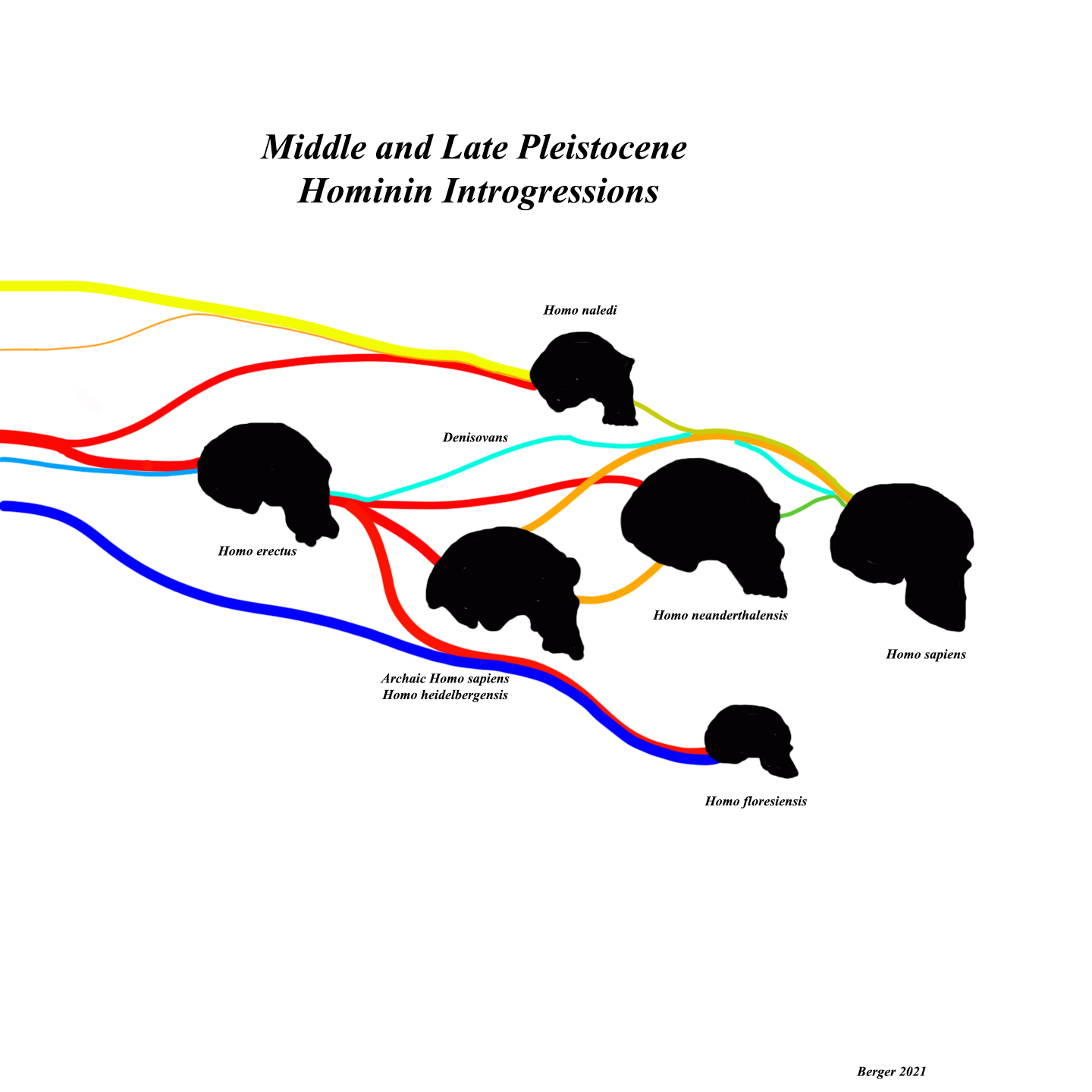
I am of course talking about Homo naledi. One of the newest species to join our braided family stream.
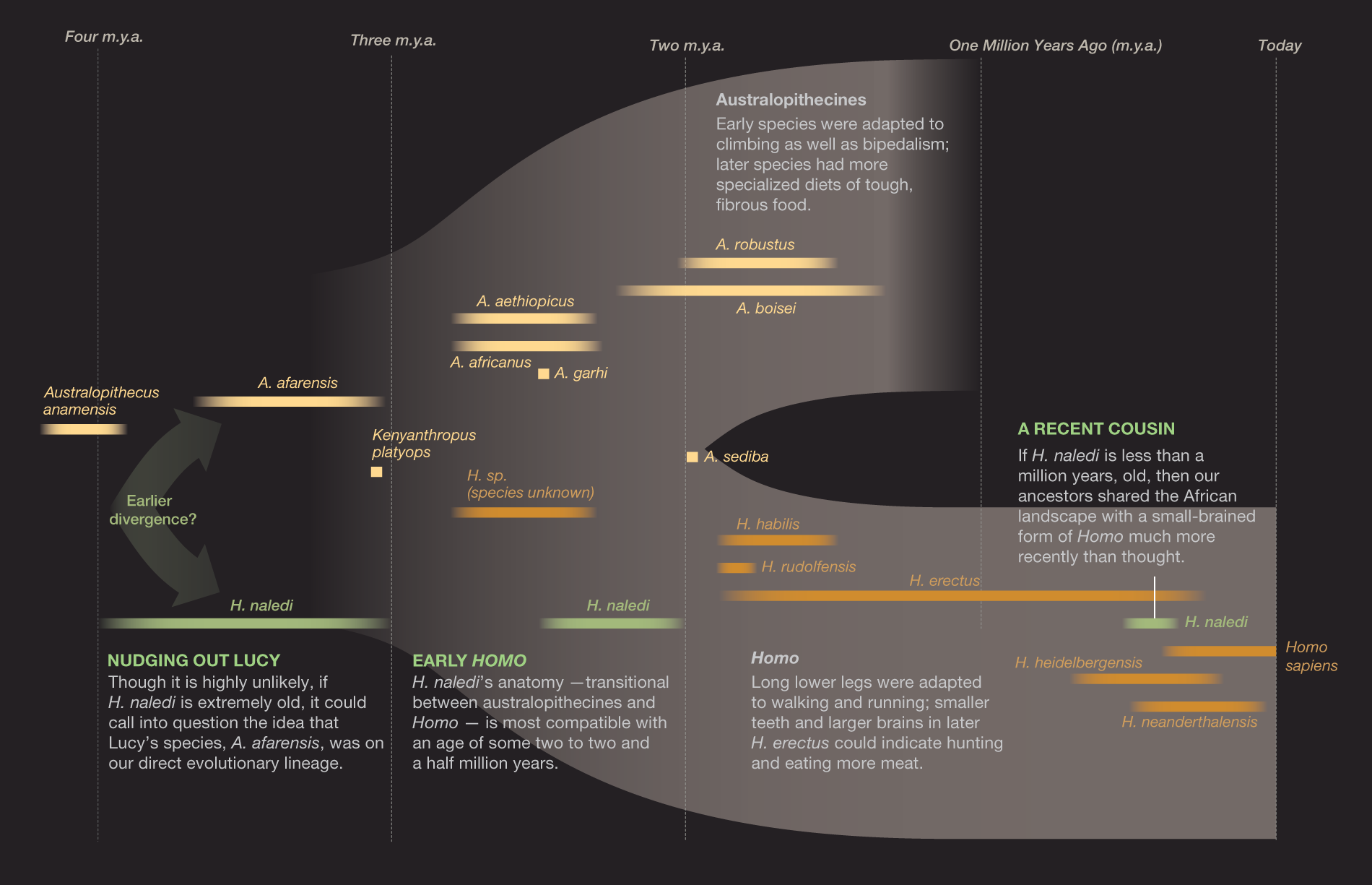
H.naledi is an amazing mosaic of evolution, a creature that by everything we know about Human Origins, should not really exist, at least not when and where it did. Dating to 230-340kya, these fossils show that Naledi was actually walking the African Savannah’s right alongside us, and possibly other hominin species.
Did we interact? Was there ad-mixture? These are questions that we find difficult to answer based on the present evidence and lack of DNA, but we have learned a great deal about H.naledi from it’s morphology of the over 2000 fossil fragments (Give or Take) that have been recovered thus far, and as Prof. Berger is known to say, “Never Stop Exploring!”
Homo naledi was a small, surprisingly ancient looking (but with modern features such as the hands and feet) hominin that inhabited at least the range of South Africa, as far as we know as of the writing of this. We do not know much about their behavior…but one possible detail is becoming ever more clear.
Did Homo naledi ritualistically bury their dead? Well, today’s revelations may shed more light on that!
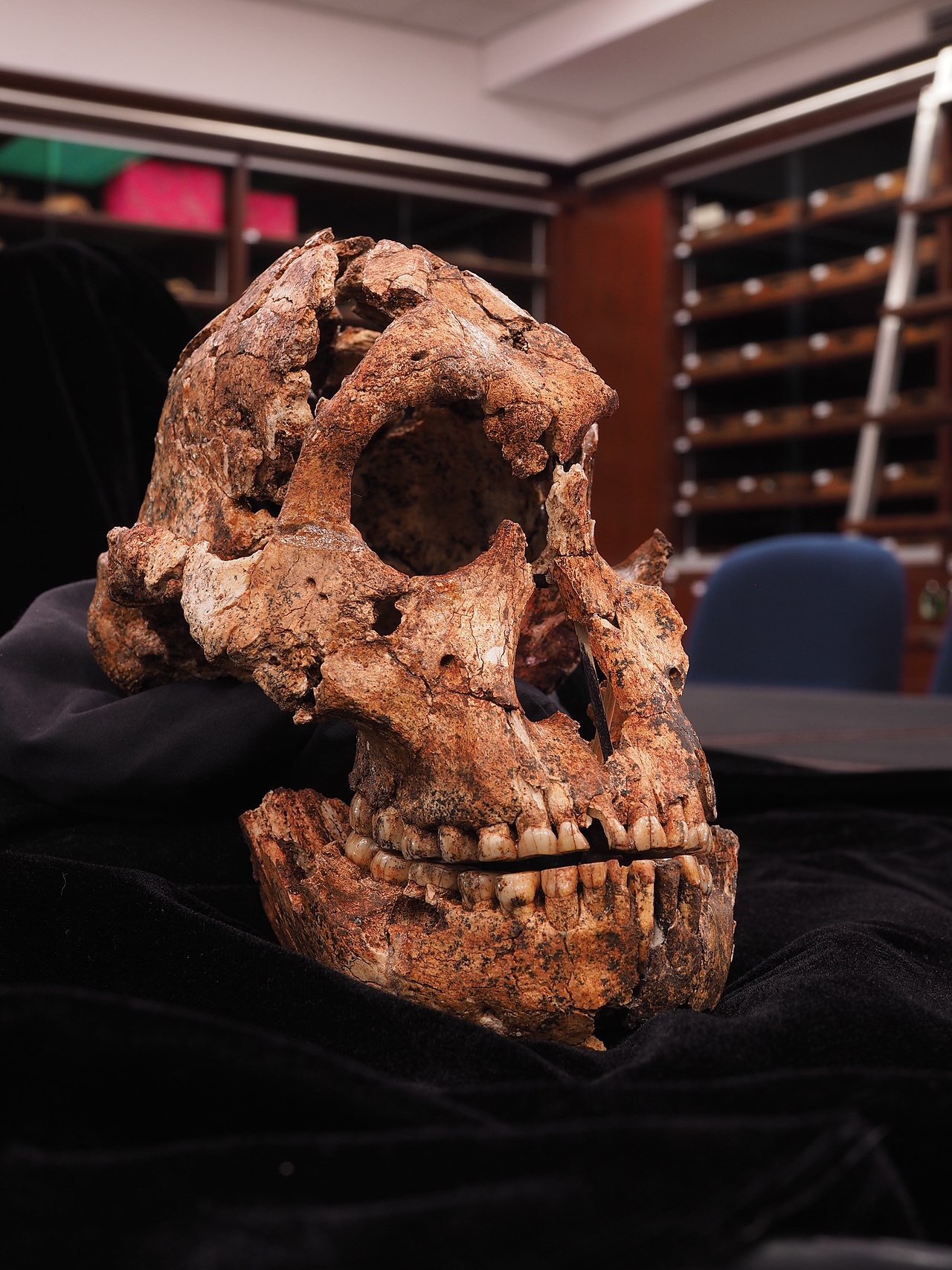
So just what exactly was announced today? I would like to present to you all, Leti.
“An international team of researchers, led by Professor Lee Berger from Wits University, has revealed the first partial skull of a Homo naledi child that was found in the remote depths of the Rising Star Cave in the Cradle of Humankind World Heritage Site near Johannesburg, South Africa.”-Wits University
This is an absolutely stunning find, one that is nearly unmatched in its rarity. Hominin children skulls are one of the hardest things to come by, and Human Fossils are some of the rarest items in the world to begin with!
Please read the following information, provided by Dr. Berger and Wits University to learn all about this amazing, and stunning find that was just announced less than an hour ago!
“An international team of researchers, led by Professor Lee Berger from the University of the Witwatersrand, Johannesburg, South Africa (Wits University) has revealed the first partial skull of a Homo naledi child that was found in the remote depths of the Rising Star cave in Johannesburg, South Africa.
Describing the skull and its context in two separate papers in the Open Access journal, PaleoAnthropology, the team of 21 researchers from Wits University and thirteen other universities announced the discovery of parts of the skull and teeth of the child that died almost 250,000 years ago when it was approximately four to six years old.
The first paper, of which Professor Juliet Brophy of Wits and Louisiana State University is lead author, describes the skull, while the second paper, of which Dr Marina Elliott is the lead author describe the context of the area and circumstances in which the skull was discovered.
The child was found in an extremely remote passage of the Rising Star Cave System, some 12 meters beyond the Dinaledi Chamber, the original site of discovery of the first Homonaledi remains that were revealed to the world in 2015.
“Homo naledi remains one of the most enigmatic ancient human relatives ever discovered,” says Professor Lee Berger, project leader and Director of the Centre for Exploration of the Deep Human Journey at Wits University and an Explorer at Large for the National Geographic Society. “It is clearly a primitive species, existing at a time when previously we thought only modern humans were in Africa. Its very presence at that time and in this place complexifies our understanding of who did what first concerning the invention of complex stone tool cultures and even ritual practices.”
Almost 2000 individual fragments of more than two dozen individuals at all life stages of Homo naledi have been recovered since the Rising Star cave system was discovered in 2013.
“This makes this the richest site for fossil hominins on the continent of Africa and makes naledi one of the best-known ancient hominin species ever discovered,” says John Hawks, a biological anthropologist and lead author of a previous study on the fossil skeleton of a male naledi nicknamed “Neo” that was also found at the Rising Star cave.
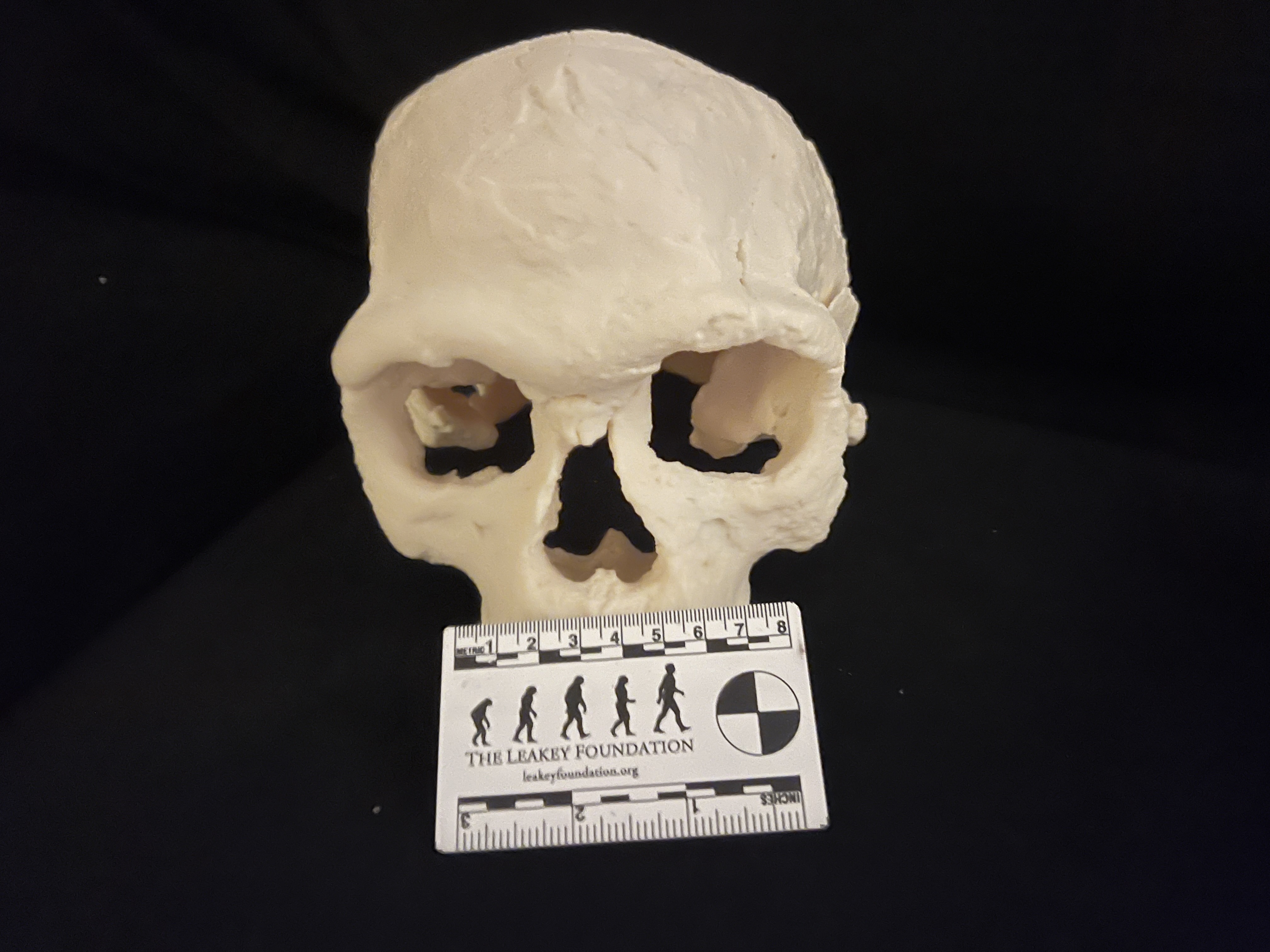
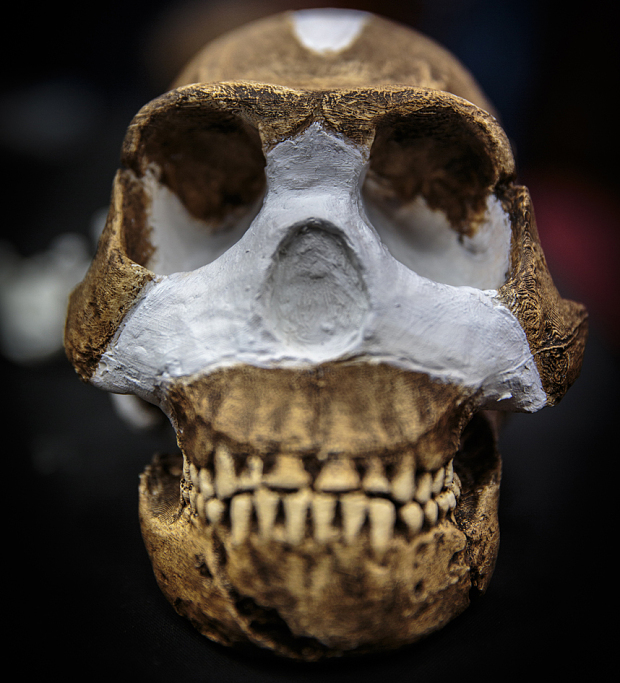
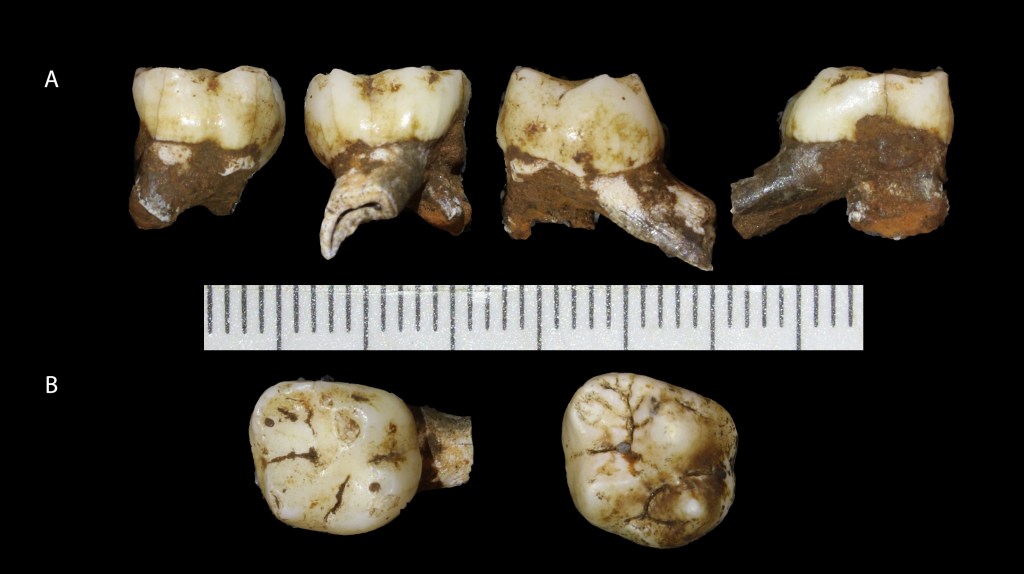
The skull of the child presented in the current study was recovered during further work in the cramped spaces of the cave in 2017. The child’s skull was found alone, and no remains of its body have been recovered. The team have named the child “Leti” (pronounced Let-e) after the Setswana word “letimela” meaning “the lost one”. Leti’s skull consists of 28 skull fragments and six teeth and when reconstructed shows the frontal orbits, and top of the skull with some dentition.
“There were no replicating parts as we pieced the skull back together and many of the fragments refit, indicating they all came from one individual child,” says Darryl de Ruiter, a palaeoanthropologist who previously led a study of the adult skull of H. naledi and who is a co-author on the paper.
“This is the first partial skull of a child of Homo naledi yet recovered and this begins to give us insight into all stages of life of this remarkable species,” says Juliet Brophy, who led the study on Leti’s skull and dentition.
The discovery of a hominin child skull is an extremely rare find in the fossil record as juvenile remains tend to be thin and extremely fragile. “Having skull remains associated with teeth of the same individual is extremely important for understanding the growth and development of this species,” says Christopher Walker, an expert in growth and development.
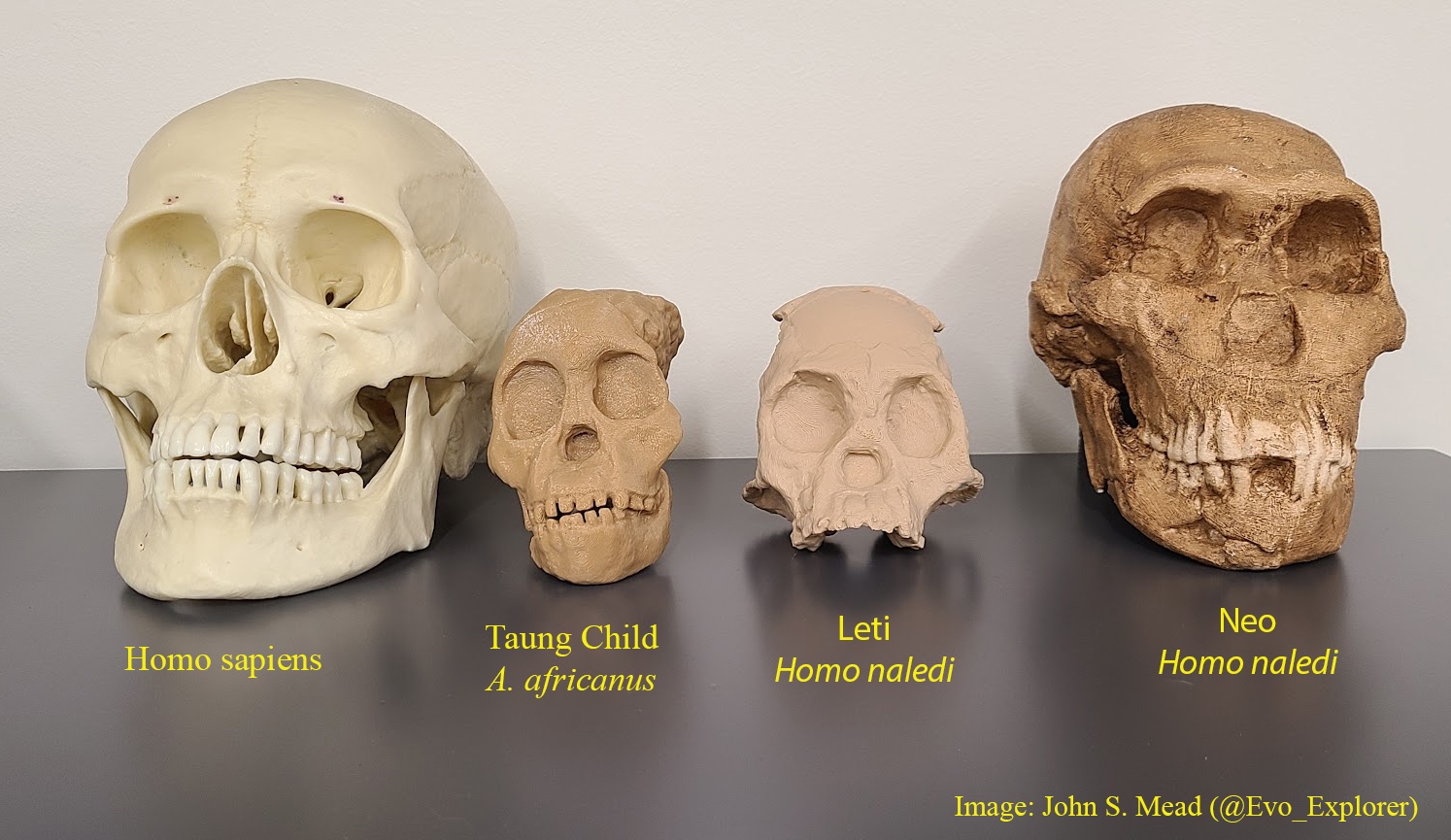
Leti’s brain size is estimated at around 480 to 610 cubic centimetres. “This would have been around 90% to 95% of its adult brain capacity,” says Debra Bolter, co-author on the paper and a specialist in growth and development. “The size of Leti’s brain makes it very comparable to adult members if the species found so far,” says Bolter.
It has yet to be established how old Leti’s remains are. However, since other fossils of Homo naledi were found in the nearby Dinaledi Chamber and dated to between 335 and 241 thousand years ago, Tebogo Makhubela, part of the geological team investigating the discovery believes that it is likely that Leti is from a similar period, based on preservation and proximity.
Leti’s remains were discovered in a tight passage that measures only 15 centimetres wide and 80 centimetres long and was located just beyond an area named the “Chaos Chamber”.
“The area where Leti was found is part of a spiderweb of cramped passages,” says Maropeng Ramalepa, a member of the exploration team responsible for bringing the remains to the surface. Marina Elliott, one of the original “Underground Astronauts” in the first Rising Star expedition that originally uncovered Homo naledi and the leader of the excavation team that recovered Leti described the challenge of excavating Leti as “very difficult”. “This was one of the more challenging sites with hominin fossils we have had to get to in the Rising Star system,” says Elliott.
Since its discovery the Rising Star cave system has become one of the most prolific sites of discovery for hominin fossils in the world. Berger says that work is continuing throughout the cave system and that soon new discoveries are likely to shed further light on whether these chambers and passages are in fact a burial ground of Homo naledi, as the team originally hypothesised.
“I do not believe there is another site quite like Rising Star,” says Steve Churchill, a palaeoanthropologist and co-author on both papers. “This is now the third locality we have described from this system with naledi remains, and we know through exploration that there are other localities.”
With no signs of carnivore damage or damage made by scavenging, and no evidence of the skull having been washed into the narrow passage, the team does not know how Leti’s skull came to rest, alone, in such a remote and inaccessible part of the system. The authors hypothesise that it is likely other members of its species were involved in the skull reaching such a difficult place.
“The discovery of a single skull of a child, in such a remote location within the cave system adds mystery as to how these many remains came to be in these remote, dark spaces of the Rising Star Cave system,” says Berger. “It is just another riddle among many that surround this fascinating extinct human relative.”
They have even had the foresight and were nice enough to provide us with an already prepared Fact Sheet and Q/A to answer some of your most basic questions!
Q/A
“What does the name of the child “Leti” mean?
The word “Leti” is short for “Letimela” which means “the lost one” in the Setswana language. Setswana is one of South Africa’s 11 official languages and one of the languages commonly spoken in the part of South Africa where Leti was discovered. The word “naledi” means “star” in the Sesotho language, and the word “Dinaledi” means “stars”.
Was Leti a male or female?
We do not know if Leti was a male or female. Future studies using such methods as ancient proteins may establish its sex.
Where in the Rising Star cave system was Leti found
The Rising Star cave system has more than two kilometres of passages and chambers. Leti was found in an extremely narrow passage that is 15cm wide by 80 cm in length. The fragmented remains were found on a shelf of limestone about 80cm above the present cave floor. The passage is about 12 meters away from the Dinaledi Chamber and adjacent to a chamber known as the “Chaos Chamber”.
Could the skull have been carried there by a scavenger or predator, or been washed into the passage?
How the skull of the child came to rest in this remote location remains a mystery. However, there is no visible predator or scavenger damage on any parts of the skull, nor is there any evidence that suggests that the sediments surrounding Leti have been moved by water or other means, that may have resulted in the depositing of the skull into this remote location.
Was Leti buried?
It is not known whether Leti was buried in the passage or whether her bones were placed there. The situation is very similar to the way Neo, and adult male Homo naledi from the Lesedi Chamber of the Rising Star system, in that he was also found in a narrow passage. However, there have been no remains of Leti’s body found yet. The situation where Leti’s skull was found is very difficult to access, making excavation difficult, but at this stage it appears that only Leti’s skull was in the passage.
How old was Leti when she died?
Based on dental eruption, Leti would have been about 4 to 6 years old when she died if she matured like a human. But at present we have not established exactly how fast Homo naledi children grew, so it is possible she was younger.
How big was Leti’s brain?
While her brain is only preserved in fragments, comparison of the curvature and length of these remains lets us compare her brain to similar sized individuals like the Taung skull of Australopithecus africanus, which has a very similar sized braincase it appears. Thus, we can estimate that Leti’s brain capacity would have been around 450 to 610 cubic centimetres. Based on her developmental age, this would mean Leti’s brain would be about 90 to 95% of its adult size when she died. Her adult brain size would therefore have been similar to other members of her species had she reached adulthood.
Did Leti look the same as other Homo naledi individuals?
One of the important aspects of Leti’s discovery is that she has skull fragments associated with teeth. These are the first skull fragments of a child of Homo naledi described so far and so they can only be compared to adult crania at this time. However, the shape of the front of the skull, know as the glabella is preserved and is very similar in shape to adult naledi’s in this region. Leti’s teeth are all very similar to those of other Homo naledi in their shape, size and form.
Do we know how Leti died?
There are no signs of injury on Leti’s skull, although it is in many fragments, so we don’t know what caused her death.
How long ago did Leti live?
We cannot date the area where Leti was discovered but the remains of other Homo naledi found nearby date to between 236,000 and 335,000 years ago and at this time it is hypothesised that Leti is the same age as these nearby remains.
Did Leti walk upright?
Since we don’t have any bones from Leti’s body we have to look at those of other specimens of Homo naledi to establish how they walked and these all walked on two legs. As Leti’s skull and teeth don’t differ from other remains of naledi discovered, it is rather certain she also walked upright like her relatives.
Why is Leti’s skull important?
As this is the first skull remains of a child of Homo naledi discovered, and because there were teeth discovered in association with the skull remains, we can begin to develop a better understanding of the growth and development of the species. The adult anatomy of Homo naledi is already among the best known for any ancient hominin species and Leti’s adds to our understanding of how this remarkable species “grew up”. “- Wits University
























 World of Paleoanthropology