
The text explores the significance of the hearth in human evolution, linking it to cooking, energy consumption, and social structure. The control of fire allowed early humans to cook food, improving energy yield and enabling larger brains and smaller guts. Archaeological evidence shows that fire usage became commonplace about 300,000 to 400,000 years ago, shaping daily life and social interactions around central hearths. It argues that the hearth served as a proto-altar, merging practical and ritualistic elements, fostering community through shared meals and storytelling, and reinforcing a sense of sacred space. Ultimately, the hearth transformed not just sustenance but the very essence of humanity.
Tag Archives: origin
When did we become Human?

The exploration of what it means to be human reveals a complex evolution marked by gradual adaptations rather than a singular event. Key milestones include bipedalism that freed our hands, the development of tool making, and the mastery of fire, which enhanced cognitive growth. Symbolic thinking is evidenced through art and social structures, not only in Homo sapiens but also in Neanderthals. Our humanity is shaped through ongoing innovation and connections, continually influenced by discoveries that deepen our understanding of our shared past.
Parenting Across the Ages: What Early Hominins Can Teach Us About Raising Children Today

Imagine what it might have been like to be a parent 1.8 million years ago. There were no cribs, no baby monitors, and no parenting books. Yet, the task of caring for and raising children was just as important then as it is today. While we often think of things like stone tools, fire, andContinue reading “Parenting Across the Ages: What Early Hominins Can Teach Us About Raising Children Today”
Unveiling Neanderthal Mysteries: A Review of Ludovic Slimak’s ‘The Naked Neanderthal
The Naked Neanderthal by Ludovic Silmak Over the last few years, there have been some inspiring books that have come out regarding our ancient cousins, or ancestors depending on how you look at them; the Neanderthals, or Homo neanderthalensis. What may come to many peoples mind, is Kindred by Dr. Rebecca Wray Sykes, which broughtContinue reading “Unveiling Neanderthal Mysteries: A Review of Ludovic Slimak’s ‘The Naked Neanderthal”
Snake Detection Theory: Did Snakes Play a Role in Primate Evolution?

Just like primates, snakes are one of the most unique vertebrates on the planet. They have evolved to adapt for various environmental conditions, occupying various niches across ecosystems, across the entire world. Ophidiophobia, the psychological fear of snakes, is one of the most common fears that humans seem to innately develop, often without ever encounteringContinue reading “Snake Detection Theory: Did Snakes Play a Role in Primate Evolution?”
Is Homo naledi still Important?
Short answer, OF COURSE! It is a fascinating piece of the Human story. Just because the new papers are being questioned, doesn’t make things wrong, it’s been the process so far. There used to be so much more to come! Quick review of the new papers: What does Google Bard, the collective mind of theContinue reading “Is Homo naledi still Important?”
New Discovery in South Africa Unearths a New Chapter in Human Evolution
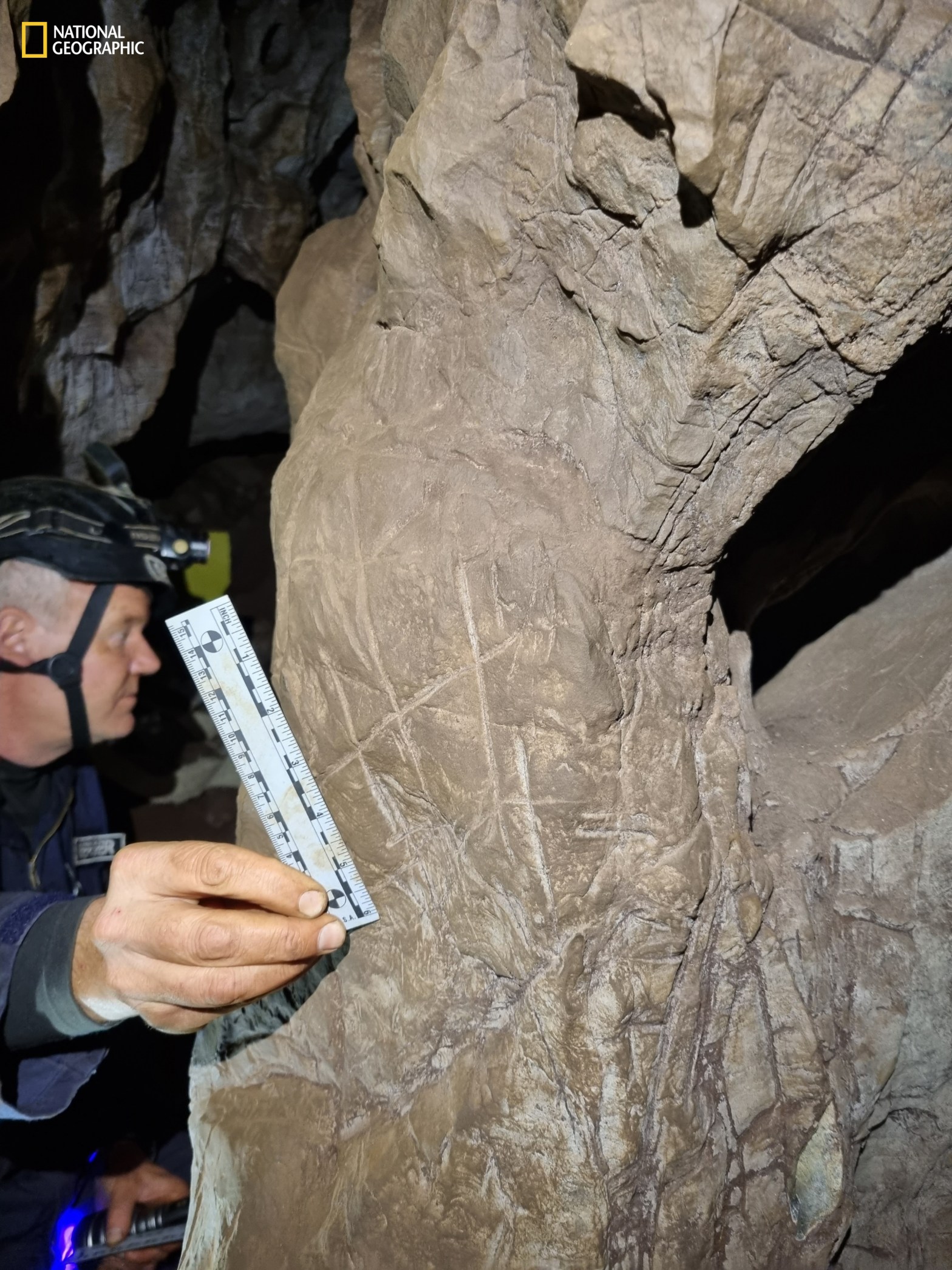
Update: As per eLife’s publishing policy, here are the peer reviews, I implore you to read, and digest all of this info! Co-Authored with Genevieve von Petzinger As I sit here watching the Press Release on the new naledi findings, I can’t help but feel captivated, excited, and at the edge of my seat aboutContinue reading “New Discovery in South Africa Unearths a New Chapter in Human Evolution”
Why is Science Communication Important?
Written with the Help of AI in Google Docs Science communication is the process of sharing scientific information with the public. It can be done through various channels, including news media, social media, public talks, and educational materials. Science communication is essential for several reasons. First, it helps to build public understanding of science. PeopleContinue reading “Why is Science Communication Important?”
Homo naledi on its way to Copenhagen?

Homo naledi is a mysterious human relative that lived in South Africa about 300,000 years ago. It had a mix of primitive and modern features, such as a small brain, a human-like foot, and complex social behavior. It also had a unique way of disposing of its dead: it deliberately carried them into a deep,Continue reading “Homo naledi on its way to Copenhagen?”
The First Homo?
What was the first Homo species? Was it K. platypus, the Lomekwian toolmakers, or the 1470 fossil ancestor? How do we know? Read my blog post to find out! #paleoanthropology #humanorigins #Homo
 World of Paleoanthropology