Richard Erskine Frere Leakey, born to the famous paleoanthropologists Mary and Louis Leakey, passed away shortly after the start of the new year on January 2nd, in Kenya. Per the family’s wishes, we send our thoughts and well wishes to the Leakey family, and respect their request for distance, and time for mourning. We send them our most sincere condolences for the loss of such a grand gentleman who has changed the world over, and for the better.
You can read the statement put out by Samira, Richard’s youngest daughter, on behalf of the Leakey family here,
“On Sunday 2 January, we lost a true warrior, an individual so large in presence that he left a void that can never be filled. He has been described as iconic, and a force of nature, but to us he was Richard, Dad, and Babu.
As a family, we are enormously grateful for the outpouring of warmth and support that we have received from so many friends here in Kenya and across the world. It brings us great comfort to know how much his life meant to so many.
As we struggle to come to terms with our loss, we are respectfully asking for a few moments of privacy so that we can mourn as a family before we celebrate his extraordinary life as a son of Kenya. We are also conscious of the Covid19 protocol rules that have been advised by our national health authorities and so at this time, given the vulnerability of Richard’s widow Meave, we will not be allowing any visits to the home. The family also requests no flowers.
Arrangements have been made to have a condolence book at the offices of the National Museum and the KWS, where anyone wishing to express their condolences can visit. Tributes commemorating Richard can also be left online, using the following link to the ForeverMissed memorial site – https://www.forevermissed.com/richard-leakey/tributes
In keeping with Richard’s wishes, we, this afternoon, interred his body at a place of his choosing, on his favorite ridge overlooking the majestic Rift Valley that he so loved.
We will share our plans for celebration of his life in the coming days.
Samira Leakey
On behalf of the Leakey Family”
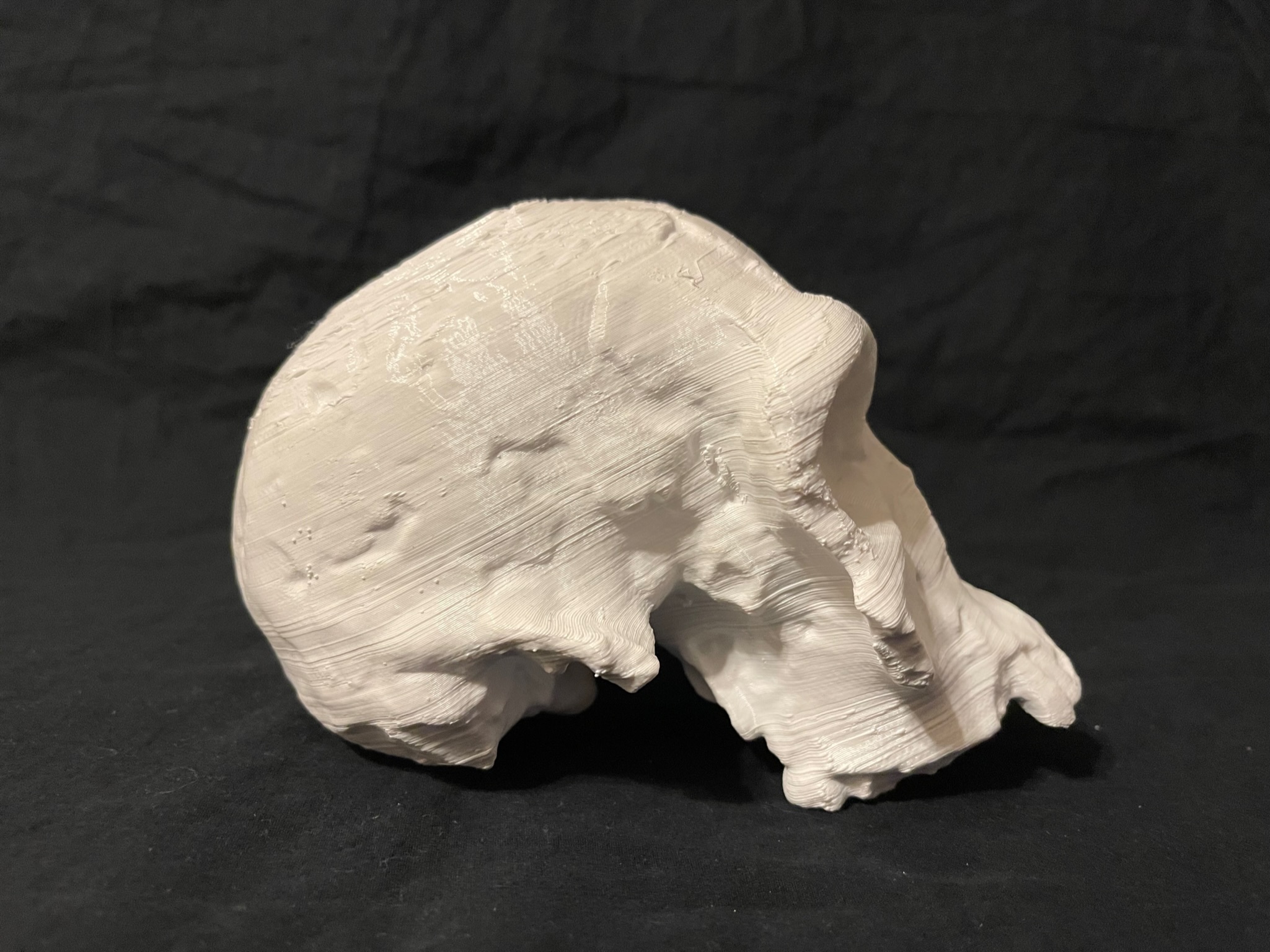
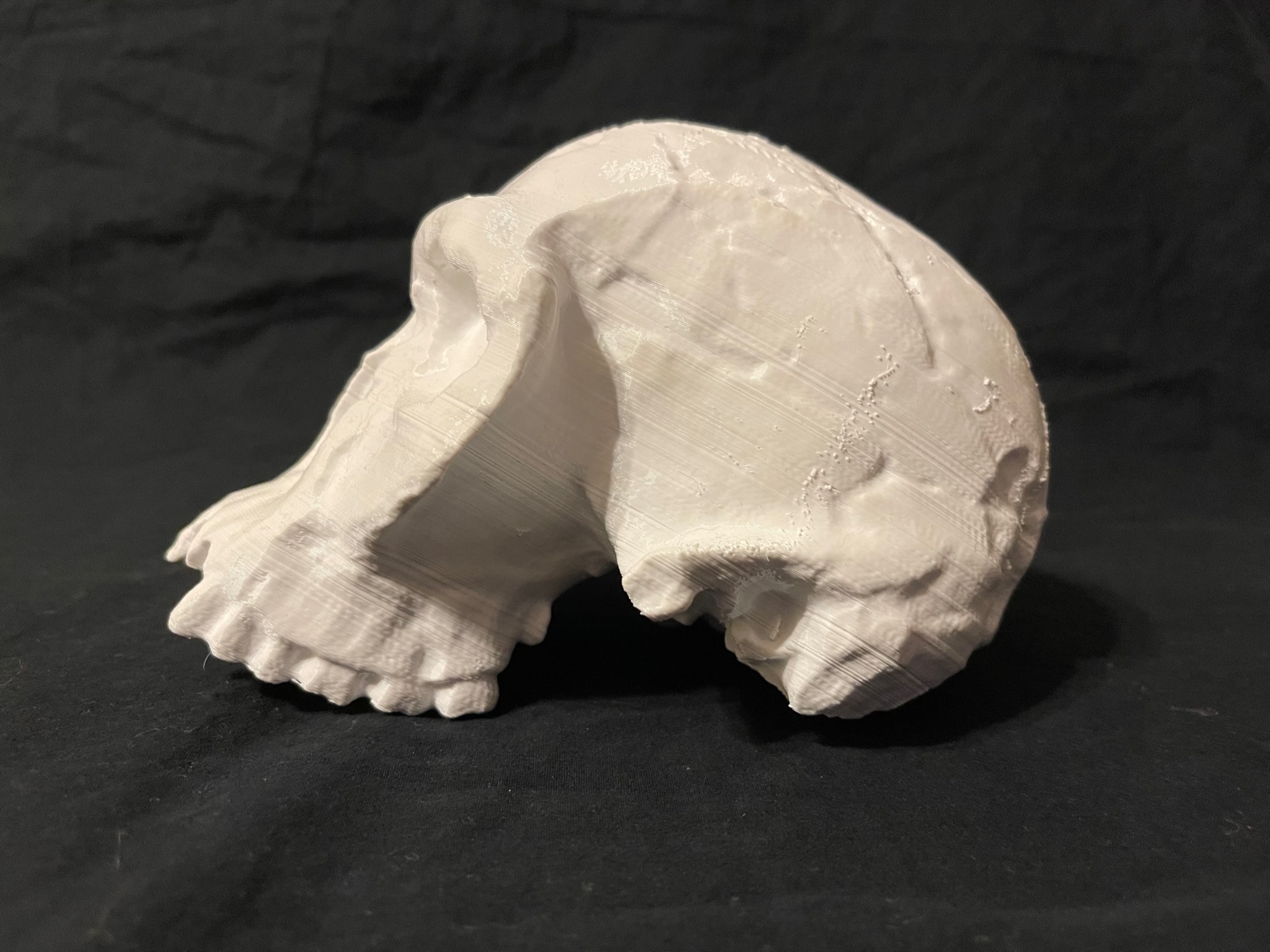
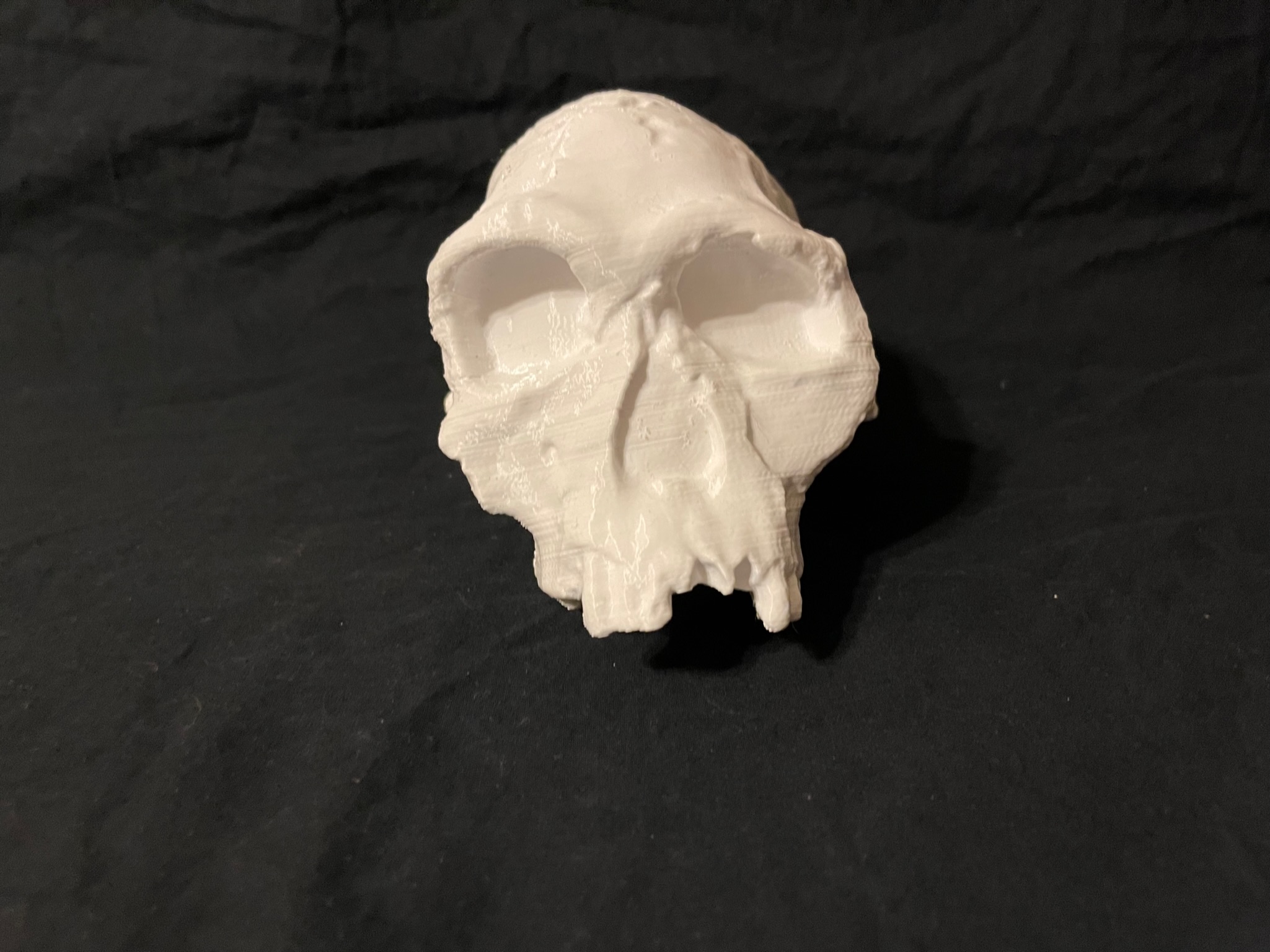
Richard lived a long, challenging, but very fruitful life that has been felt around the world, from his astonishing work in human origins, leading the teams that discovered such famous fossils as the nearly complete 1.6 million-year-old Homo erectus skeleton dubbed “Turkana Boy” KNM-WT 15000, as well as the “Black Skull” of Paranthropus aethiopithecus or KNM WT-17000 and the sapiens, remains at Omo Kibish, as well as stone tools finds at Lomekwi dating to 3.3 million years ago, making them the oldest stone tools yet found. His teams are also responsible for many finds at Koobi fora,
Aside from his paleoanthropological career, Dr. Leakey was known for his political and conservation know-how. Starting as a Safari guide, and finally becoming, and creating the Kenyan Wildlife Service in 1990, Richard was not only at the forefront of battling poachers and other challenges and dangers to the beauties of the Kenyan landscape, also fighting for the rights of the land, and the animals that inhabited it all over the continent. Fighting for elephants’ and rhinos’ existence in particular.
Almost meeting an early death on more than his fair share of occasions, Dr. Leakey passed away yesterday at the comfortable age of 77, survived by his wife Maeve, and daughters Anna, Louise, and Samira.
Per Dr. Lesley’s request, he has been laid to rest on a ridge overlooking possibly one of his most beloved places, a place made famous by his parents, and known now by the world as the birthplace of our species.
*Update, as I start to write my most interesting discoveries of 2022, I am looking back on the many great things that have happened in the following years just right behind us! Take a look, get updated on the latest in the field, and participate and help me create this year’s list! *
If you can, and would like, join us in conversation over on Academia.edu! Here is the link.
The Scientific World is that of an ever-changing landscape. Of a desert turned lush forest, to the Savannah, and back again. The field is ever-changing, ever-adapting. Within the STEM fields, some are more active than others, with some fields breaking the headlines with discoveries daily, while others on a more, centurion basis. Paleoanthropology, or the study of human origins, is one of the fastest-changing fields in Science. It seems that every time something is discovered, or a question answered and settled upon, some new evidence or idea comes around that throws near everything up in the air, changing the landscape once again. Just in the last decade, the field as we know it is has changed so abruptly that it is near unrecognizable to what it was just fifty years ago! And this is a good thing! Science should not be stagnant, which means it is not science, for science is the act of experimenting, and finding out about the world around you! If you stop doing that, you are no longer a scientist. There will never be a point where we ‘know everything. As is my motto, “there is always more to learn!”
So, today I would like to gather your attention, as we near the coming of the end of 2021, to some of the biggest discoveries in the field of Paleoanthropology to occur. I had a very rough time choosing the following, and while there are ten, and this is a ‘Top Ten List’ the ones in this list are in no particular order. I do not view that any find is necessarily “better” than any other, as they all have their importance in their ways. So appreciate them all on their merit! What was your favorite event from 2021, let me know in the comments below! I would love to hear it!
Let’s get started!
Number One: A Child out of the Darkness of Rising Star…
To start off this list, I think it is fair enough, to begin with, my personal favorite. Again, this find is not necessarily more important than any other on this list, it just happens to be my personal favorite! Before we get into this portion, some background is needed.
In 2013, Lee Berger and his team of ‘Underground Astronauts’ (A team of thinly built women, perfect for fitting and squeezing into tight cave spaces) conducted one of the now most famous Anthropological excavations in history; for discovered in the deep recess of the Rising Star Cave system, in the Cradle of Humankind, South Africa, was a new type of human. Homo naledi.
Eventually, over 2,000 individual fossil fragments would be excavated, from over fifteen individuals, including the partial skeleton of Neo, a near-complete specimen found in the Lasedi chamber, a few years after the initial excavation. H. naledi is a very unique hominin, displaying a mosaic of features, and dating to only 240-320 kya. These hominins even show signs of advanced behavior, and even possible understanding of, and purposeful burial within the cave system.
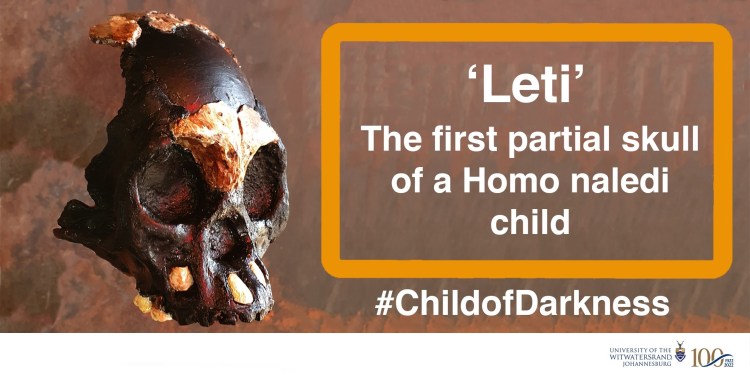
In November of 2021, two papers were published in Nature, (Brophy et al./Elliott et al.) detailing the discovery, and recovery of 28 skull fragments from a small crevice, 15cm wide, 80cm long, that would turn out to be the partial skull of a Homo naledi child. Aged four to six years old, with a brain cc of 480-610 this adolescent would have had nearly the size of an adult brain by the time it died, and was interned even deeper within the cave, in a chamber dubbed the ‘Chaos Chamber’
The specimen was dubbed “Letimela” or “Leti” for short meaning ‘Lost one’ in Setswana. The discovery of Leti, adds another layer to the hypothesis that naledi was using the Rising Star cave system as a burial ground, something unobserved in earlier hominins. This could change our understanding of death, and how it evolved, understanding where our beliefs surrounding originated can help us understand our fears, and challenges with it today.
Number Two: Australopithecus sediba walked like a human, but climbed like an ape!
Another discovery coming out of Lee Berger, well, technically his son at the age of nine years old in 2008 discovered what would soon be named Australopithecus sediba a new species of hominin. The discovery was made at Malapa, in the Gauteng Province, once again in the Cradle of Humankind, South Africa. Originally, two individuals were discovered, MH1, dubbed ‘Kurabo’, a beautiful skull of an adolescent. And MH2, a female.
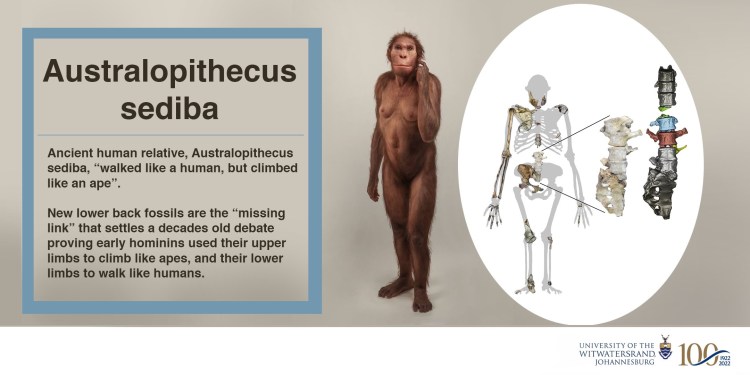
The remains dated to about 2 mya, well older than Berger’s later work with naledi. The limbs of sediba made it clear, at least at the time, that this hominin was an arboreal primate, that it lived in the trees for most of its time, and most likely spent little time on the ground walking bipedally. However, as published in November 2021 as well, with Berger as the lead author, a block of breccia that was recovered from the original site in 2015, was placed in a high-resolution micro-CT scanner, and it was revealed that in this block, there were five lumbar vertebrae belonging to MH2, even showing a lumbar lordosis.
While the upper limbs of sediba were outfitted for life in the trees, the lower spine of sediba was evidence that this hominin was also an obligate terrestrial biped! This sheds light on the origins of bipedality, and when we left the trees for life on the ground! While behavior does not fossilize, and we cannot know for sure just how sediba acted and lived its life, we do have a much more interesting look now that we have these fossils.
Now that we possess the near complete lower spine of MH2, Berger felt it was time to give the partial skeleton a name, ‘Issa’ meaning “protector” in Swahili, as it seems she may have been of the younger Kurabo.
Number Three: Stone Tools in Oldupai Gorge Pushed Back to Two Million Years Ago!
Oldupai Gorge, formerly known as Olduvai Gorge, made famous by the Leakey’s in the 1970s, is home to many hominin-related fossils, from the discovery of H. habilis and Zinj, to many stone tools, such as the entire Oldowan Stone Tool Complex. This is a very famous site, and for a long period of time, was considered to be the very birthplace of humankind. While this is debatable now, it is clear that there is a great his- tory here. This year, new tools were discovered in the 28-mile long gorge, by Michael Petraglia and the Max Plank Institute for Science of Human History. This predates the Oldowan industries for the Eastern side of the basin by 180,000 years. Pushing stone tool use to near 2 mya. It has become clear that “rapid environmental change is the catalyst for human evolution”. Stone tools and their use for them adapted relativity quickly in the scheme of things, and allowed our ancestors to do things that no other animal had ever been able to do, or since. Published in Nature by Mercader et al, this paper details the new dating of the stone tools, and reveals that as usual, we do not know the entire story and that there is always more to learn!
Number Four: Humans in North America 23 kya!
For the next item on our list, we have something quite special, for decades now, anthropologists have debated on where, when, and how humans got to the New World, the Americas. There have been many prevailing hypotheses based on current evidence, starting with the Bearing Land Bridge, and the Clovis people, to people crossing the Atlantic Ocean and landing on the East Coast of the Americas. There have been oh so many ideas and theories, with various endings and evidence. Some even support humans on the continent 120 kya butchering mammoth! While this find, in San Diego has been highly disputed, the recent find at Lake Ohro, White Sands National Park, New Mexico. As described by Dr. Matthew Bennet et al., this confirms the presence of humans in the Americas 21-23k years earlier than the typical scientific consensus, confirming their presence in North America 23 thousand years ago!
Created during a warm period in the last interglacial period, the last glacial maximum, the paper published in Science, details the new prints and how they were dated. Tom Higham, from the University of Vienna, an expert in radiocarbon dating, who was not involved in the study, was very impressed by the work that was done, saying that he was “very confident in the results”. Comprising of nearly 60 fossilized prints, mostly from those of adolescents, the footprints are a truly remarkable discovery.
Number Five: A new human relative, Homo longi?
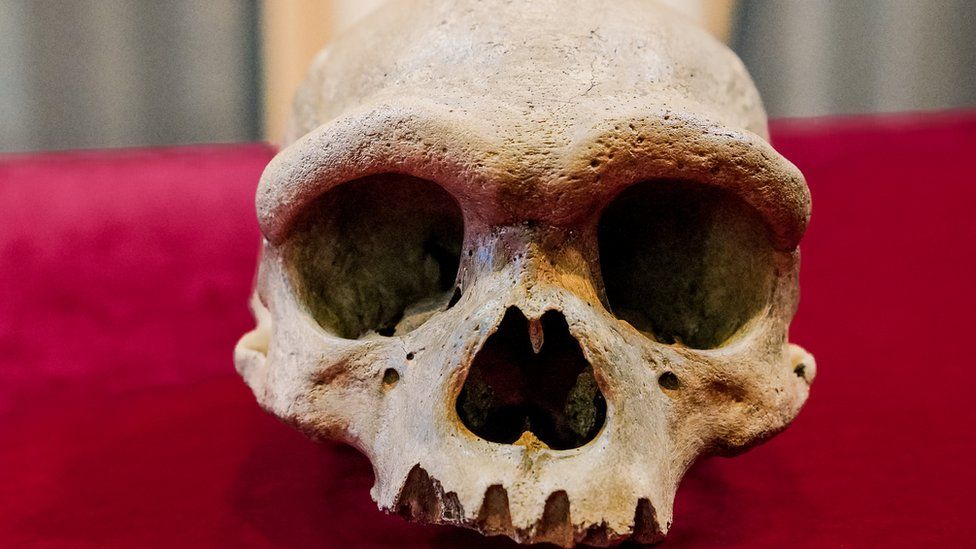
One of the most exciting discoveries of the year, and I know, I am probably saying that about most of these, was the re-discovery and announcement of the Harbin Skull. Originally discovered in the early 1900s and hidden down a well to protect it from invaders, the Harbin skull was located near the Dragon River, in Harbin, Northeast China. Being in near perfect condition, the preservation for this near 146 thousand-year-old cranium is very impressive. According to Prof. Qiang Ji from Hebei GEO University, this is a representative of an archaic homo sapiens, with a very large cranium, a cc of 1,420, well within the range of modern-day humans and Neanderthals.
With impressively large, square eye orbits, this cranium has warranted the name of a new species, and has been dubbed ‘Homo longi’ this, however, according to Chris Stringer may not be appropriate for a few reasons, as a close team member who worked on the Harbin Cranium over the last few years before these papers were published, Dr. Stringer has a unique insight on the skull. We even had him on the show to talk about it. Be sure to check out that episode of The Story of Us!
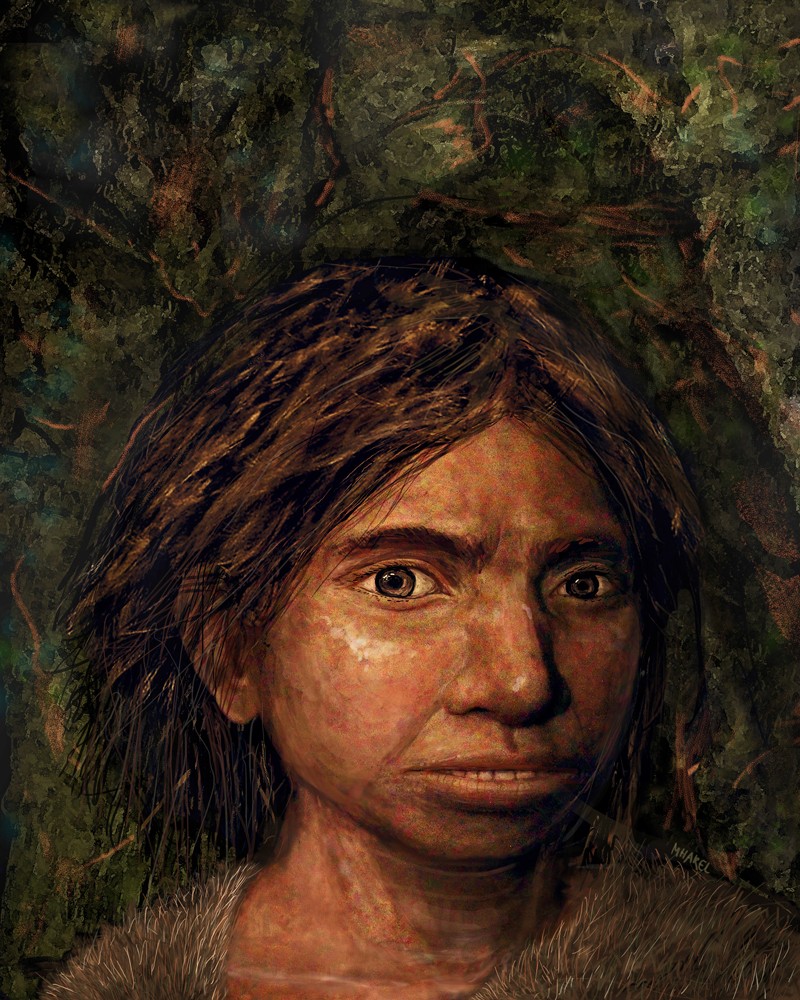
Nicknamed ‘Dragon-Man’, this specimen could even be physical remains of the previously mostly known by DNA species, the Denisovans. Since we have not found a complete skull or any cranial fragments to mention, we are unsure if the Harbin cranium ought to belong to a new species, or to the Denisovans, which have yet to be given an official taxonomic designation themselves. Being the second-largest cranium in the fossil record, many mysteries are remaining surrounding this skull.
Thought to be around a fifty-year-old male, who lived 138-309 kya, this fossil, if a Denisovan, would be more genetically related to us than even Neanderthals, as shown by other archaic DNA research done by the Max Planck Institute for Evolutionary Sciences. Could this be a new sister group to H. Sapiens? Until we can get DNA from the cranium itself, it will be hard, if not impossible to tell without knowing where the skull originated from since it was not found in situ but rather in said well! But it is sure fun to think that we may have a whole new relative represented by this cranium, which does share resemblances and morphological features with other Asian hominin fossils, such as the Dahli skull.
Only time will tell!
Number Six: New Analysis of ‘Track A’ Prints at Laetoli, Tanzania!
While this discovery is not new per-say, the analysis of what was already there has revealed some very interesting, and enlightening information! The Laetoli Footprints are a very famous archaeological site in Tanzania, discovered by Mary Leakey in the 1970s, thanks to an elephant dung fight! What Mary Leakey discovered, were a set of tracks, that were later determined to be those belonging to A. afarensis aka the species that Lucy belongs to. These tracks, among 18,400 total animal prints, dating back to 3.66 mya, were then reburied and left to be analyzed at a later time.
One set of the tracks, the ‘A Track’ was quite curious. The prints did not belong to A. afarensis, as they differed quite drastically not only from the other prints themselves but of other hominin feet we have found thus far.
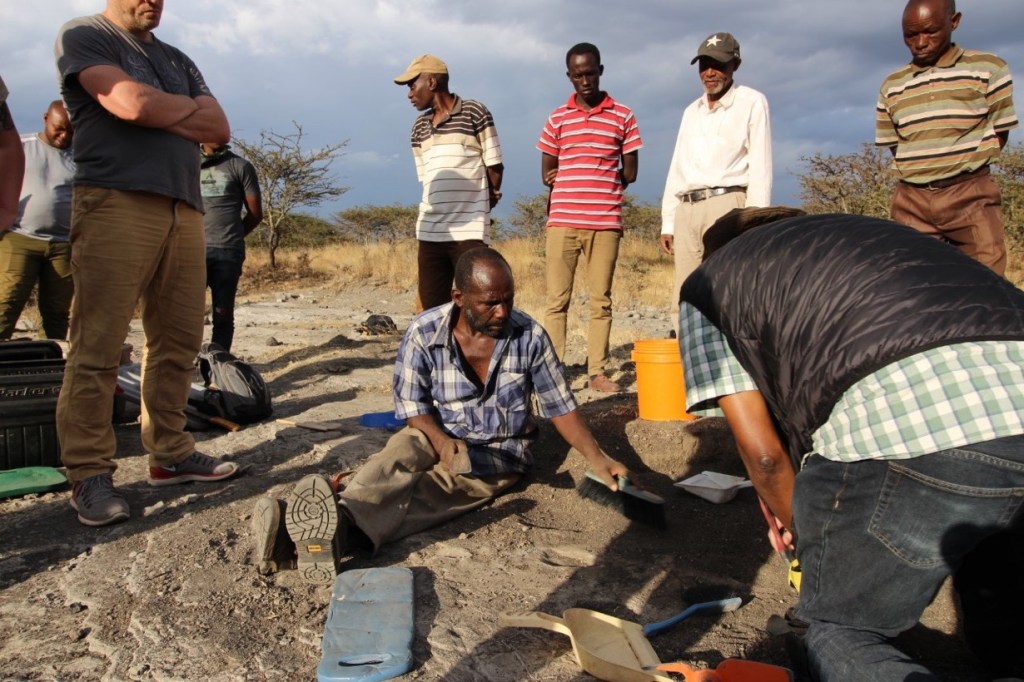
In a new paper, published in Nature by Dr. Ellison McNutt et al. another guest of our show (you can view that episode to learn all about this find!), sent a team back to Laetoli to find, and re-excavate the ‘Track A’ prints. Amazingly, thanks to the great and detailed maps that Mary made, Prof. Jeremy DeSilva (yet another friend of the show!) And the team was able to find the original tracks!
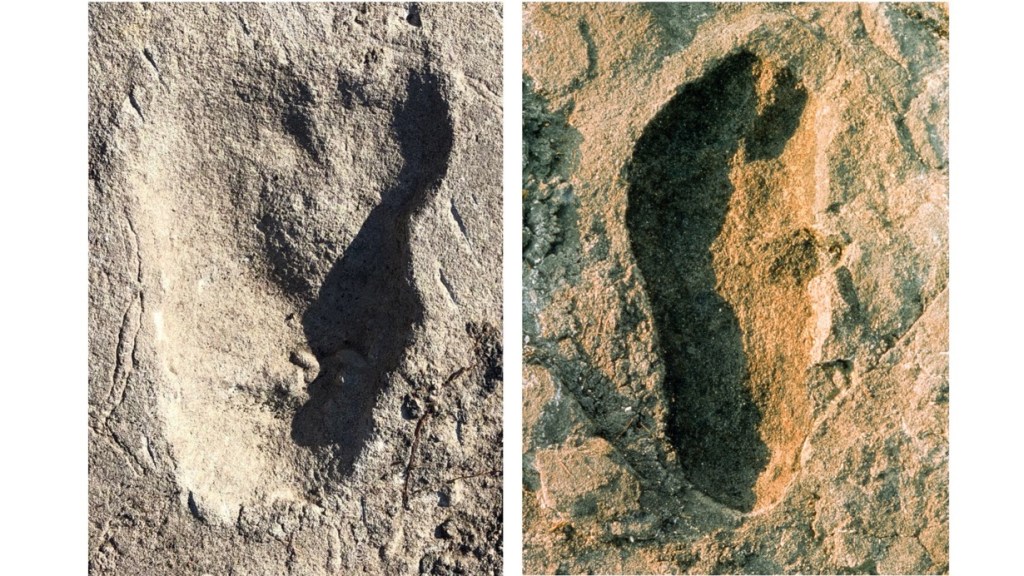
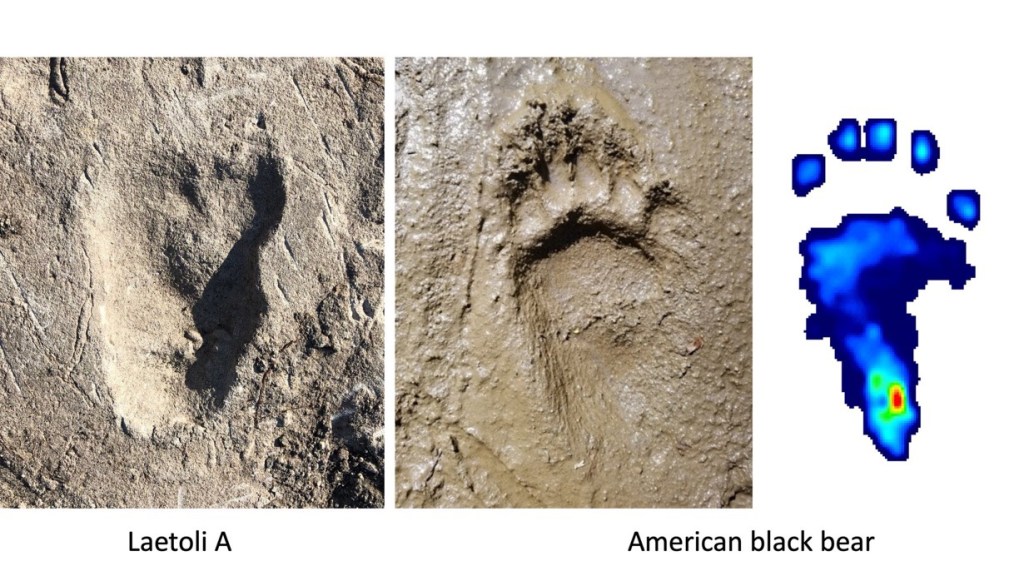
After new analysis, the five prints that were discovered, that were originally attributed to some kind of upright walking bear, were determined to be none other than that of a hominin! While there is no way to know just which hominin these tracks belong to, not without some fossil evidence, it is clear that this is a different species than the ones made by afarensis. This is significant because the tracks were made in volcanic ash, which is why they were so well preserved. However, this also means that all of the 18k+ tracks were made in a short period. Meaning, these two different species of hominin could have looked across the field at each other! Who knows what they saw! We may never know! What we do know, is this lends more evidence to the “muddle in the middle”, the idea, and what is becoming more of a fact, that multiple hominin species were coexisting and living in the same place, and time as each other!
There is going to be very exciting news coming out of Laetoli in the future, I just know it!
Number Seven: Neanderthal Terraforming?
I know you might be saying to yourself, “Did I read that correctly?” At least that is what I found myself doing when this paper was published only in the last few weeks! Terraforming, to me, seems to be something we do on other worlds, on planets in science fiction movies, not on Earth, and even if it is, surely it is done by modern humans. Wrong! Or so it would seem!
Firstly, I think it is important to define what we are talking about, no we are not talking about changing entire planetary atmospheres to make living on an entirely inhospitable planet possible. Rather, changing local environments over time to make them more beneficial to the population currently calling that area home.
At the German site of Neumark-Nord, there is evidence of a continuous 2k year population of Neanderthals who transformed the area from woodland to grassland! This was found out by tracing the pollens in the different layers of sediment, and it was very clear that the pollens changed drastically during this two thousand-year period, far faster than they ever would have naturally.
We know by the stone tools and other archaeological and fossil evidence that Neanderthals occupied this site 125 kya. Not only does this show that Neanderthals, and not just modern humans were capable of making drastic changes to their local landscape, but also gives evidence of sustained Neanderthal living in larger groups than previously thought. Meaning that different populations and groups possibly lived in different manners, depending on where they were within the wide range that the Neanderthals called home.
Number Eight: Nesher Ramla, a Second New Member of the Family Tree for 2021?
For many decades now, it has been known to evolutionary biologists, that the Levant, or an area of the Middle East, has been a passageway, and home to many hominids over the last million years or so. From Homo erectus to Neanderthals, and our very own ancestors, modern humans. And now, there is evidence that another hominin not only passed through this way but called it home and possibly adapted to the local environment in some unique and special ways.
Published in Science by Israel Hershkowitz and Yossi Zaidner, the analysis of various cranial remains, that were once designated to belong to Neanderthals at the site of Nesher Ramla. The fossils date to between 120-420 kya and have some unique features, that almost appear to be a mix between modern humans and Neanderthals! While we cannot know that for sure without DNA evidence (which I am sure they are attempting to gather as we have done with Denisovans and Neanderthals) but that will remain to be seen.
Some scientists disagree with the new designation, citing that the changes fall within regular late Pleistocene human variation. What this does suggest though however, is that there was likely heavy gene flow between eastern Neanderthals, and anatomically modern Homo sapiens as they came up north out of Africa.
Along with any organic fossils remains that were found, there were also six thousand stone tools found at the site! So whoever was here, clearly had a well-adapted and advanced culture.
Number Nine: A Third New Member of the Human Family Tree? Not so fast…
We are almost getting to the end of the list! If you have made it this far, I commend you! What a journey through the many discoveries of 2021 this has been! Let’s keep going and finish strong!
While this is not necessarily about a new discovery, it is about new analysis and proposal that has been put forward in the Journal of Evolutionary Anthropology. The idea is that H. hiedelbergensis and H. rhodensiensis taxonomic names should be thrown out, and rather than that, combined, and placed in the new taxonomic designation “Homo bodoensis”. The paper continues on to say that some of the fossils classified to those two branches should be adjusted, such as the Sima de los huesos hominins, which many argue were Neanderthals to begin with, such as Chris Stringer, who also goes on to note that this is highly debatable because this may only add to the “muddle in the middle” as anthropologists call it. A period of time in the middle of the Pleistocene where the fossil record is sparse, and there is much to learn.
The problem with naming these hominins this way, and placing them within their taxonomic clade, is that there have been other taxons named first that these proposed fossils would belong to, instead of this new name. The law of taxonomy states that the first name is given, is to be the scientific name. So to remain these, without good reason, and to something wholly new while other names already exist, is hard to establish.
Despite this, many anthropologists are loving the idea, basing it on the Bodo Cranium, claiming it is ancestral to AMH (Stringer does not agree). The paper goes on to cite evidence that may support the idea that Asiatic hominins had a different evolutionary path as well, leading to Denisovans, or others later on. However, some anthropologists do not agree with the idea that the Bodo cranium has ancestral features to modern humans.
So while this is big news, and since much of the scientific community has accepted this, it is clear it will not be going away any time soon! Again, while not a discovery, this new idea could change how we view cladistics, and how we operate concerning unknown species, and the muddle in the middle!
Number Ten: Denisovan DNA From Cave Sediments!
To round off the list, we have something very exciting, and something that seems like it is straight out of science fiction! This year, for the first time, we have been able to recover hominin DNA straight from sediments in which they occupied millennia ago! While DNA extraction from sediments and other such materials is not new, it is the first time it was successfully applied in this way.
According to what was found in the sediments at Denisova Cave, Siberia, Russia, hominins continually had a presence at the cave for over 300,000 years. These were not all the same species, however, but rather Neanderthals, Modern Humans, and Denisovans, at least that we know of so far. There is even evidence of cohabitation between species at different times.
According to Michael Shakov in Nature, and covered by Science Daily, this is the largest sediment analysis of DNA at a single site. MtDNA was recovered from all three species mentioned above in groundbreaking studies led by the Max Planck Institute, and lead author Elena Zavala. The different layers showed varying levels of technology depending on which species was present at the time. Denisovans hold the longest run at the cave, arriving first, followed by Neanderthals, and lastly by us.
This new find is going to answer plenty of questions about the interactions between the three sister groups, as well as hopefully provide archaeological methods that will help in the recovery of DNA from other areas, perhaps from the sediments of Rising Star? One can only hope and dream!
Looking Forward:
What an absolutely amazing year it has been for Human Evolution Studies! It seems that the more we explore, the more we learn and discover the more and more there is to learn! If we answer a burning question that we have, five more arise in its absence. It is truly an ever-growing, and one of the fastest-moving fields that I know of. So many amazing, and utterly groundbreaking discoveries over the last year have shaped and prepped the field for a big year in 2022. While the pandemic has ranged around the world and put a halt to so many things, nothing can stop the burning desire to learn and discover. Hopefully, you learned a great deal not only about just what was discovered over the last year but about Paleoanthropology in general, at least that is my hope. I know this article is a tad long…but I figure we can all enjoy it over the Holidays!
What are your favorite finds from 2021? Share in the comment section!
Whatever you celebrate, wherever you are, whoever you are, remember we are all human, we are all in this together, be happy, be merry, and Happy Holidays!
Here is to a bright, and powerful New Year for us all!
Be sure not to miss our upcoming Neanderthal Symposium in January 2022!!!
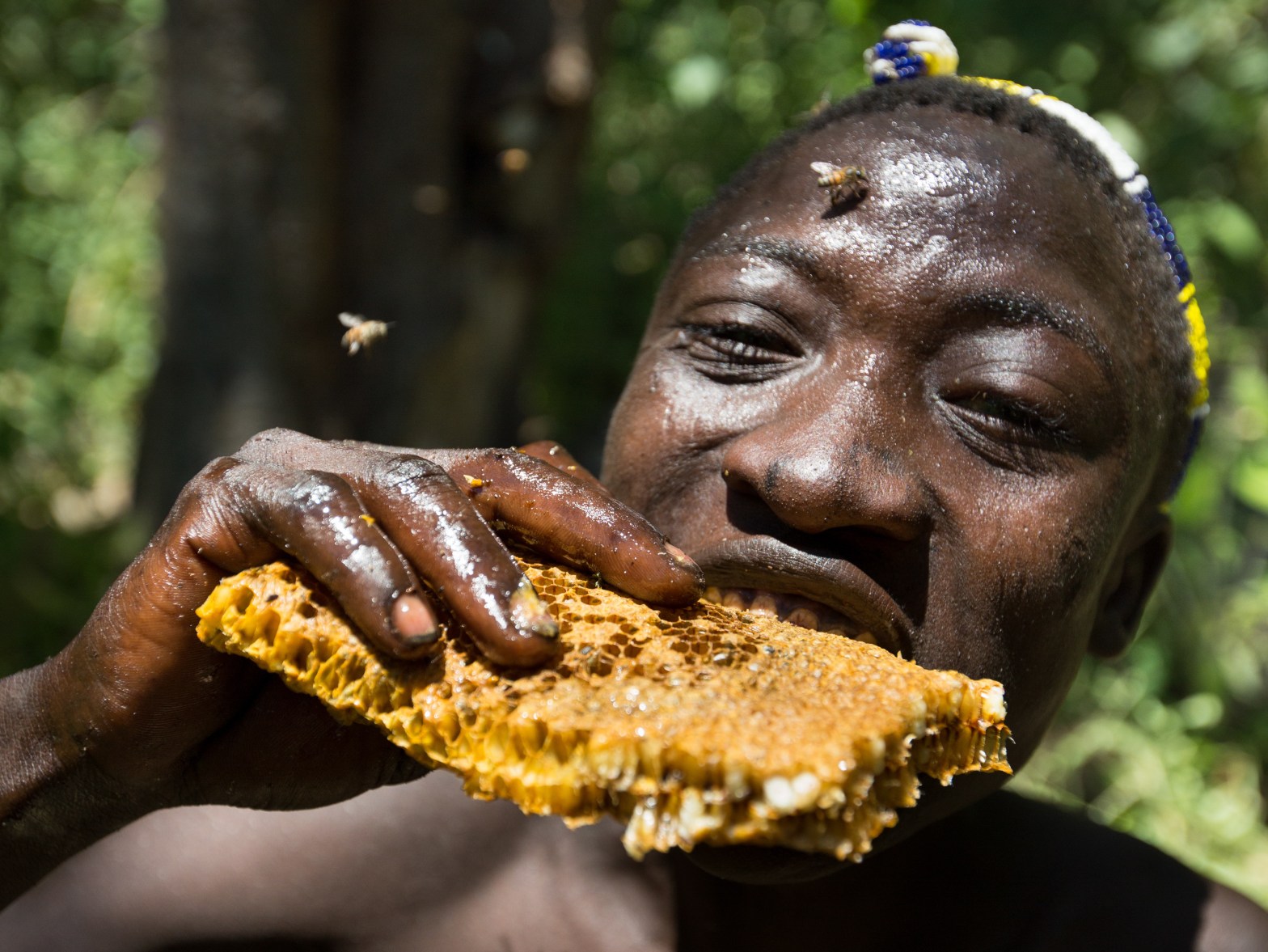
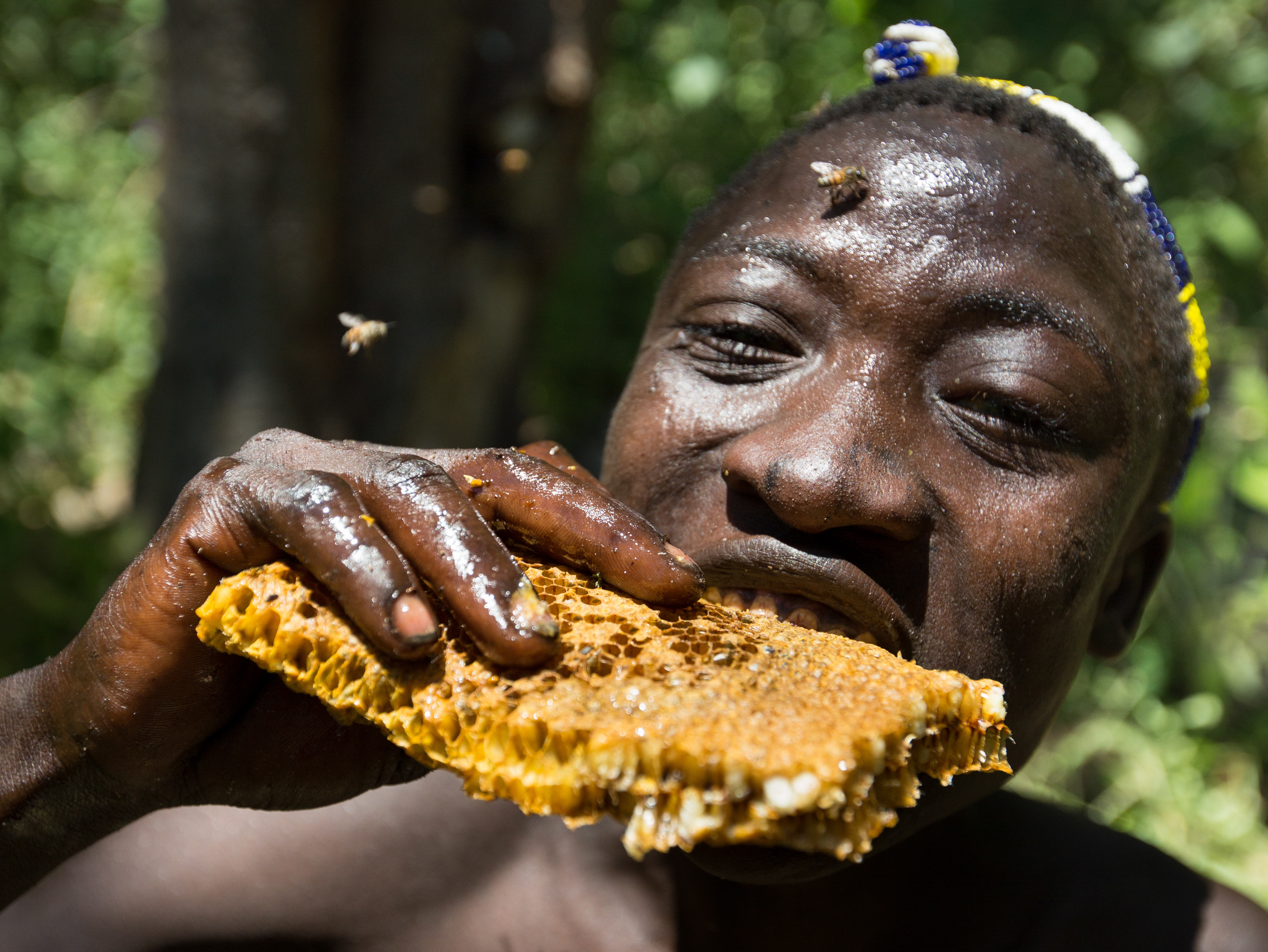
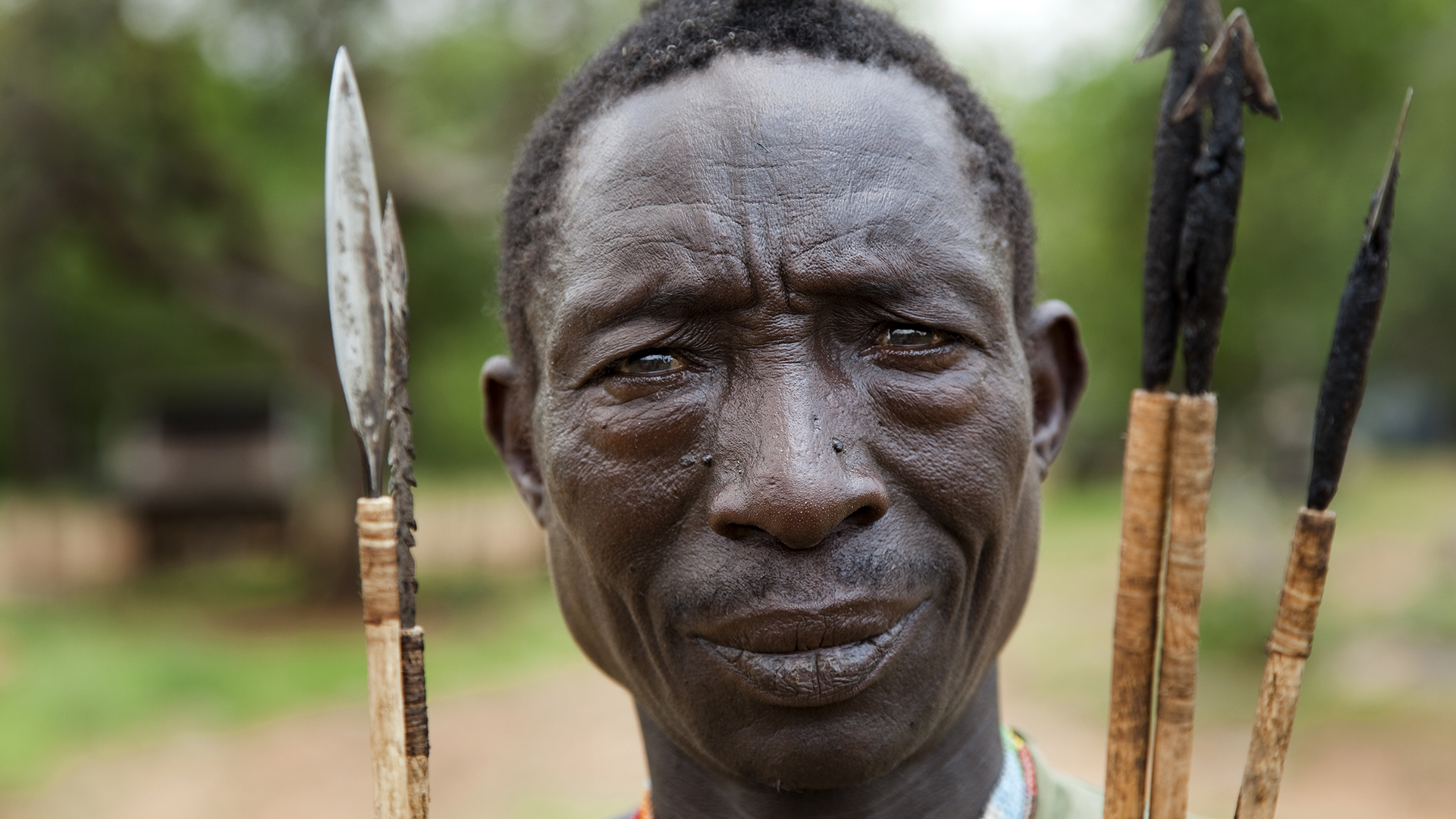
There are few people alive today, who can truly say that they understand the ways of our forefathers and mothers, of our ancestors. We live in a society that is so wrenched away from the natural world, in favor of our modern world, that we have lost touch with almost all things that make us “Human”. A big reason for this is our separation from our food and where it comes from, from the land itself. Animals, as we all know, belong in the wild. So many of us have lost the wisdom of knowing just what it means to be Human. So many, but not all! “The Hadza of Tanzania are one of the very few societies anywhere in the world who still live by hunting and gathering.” The fact that there remains such a group of people in our day and age, is a testament to their skills of survival, and knowledge of their environment. “Hunter-gatherers are people who forage for wild foods, practicing no cultivation or animal husbandry.” This lifestyle is very rare in the world today and is only found in other similar geographies, such as places around the equator, including areas in the Amazon Rain Forest. A big reason for what is considered to be rare behavior is quite interesting and involves the way in which Agriculture evolved within our species in general; which we will get into. Why are the Hadza so different? “Was there some sort of “failure” in the collective learning of the people there? Why didn’t the first farms, the first cities, and the first empires emerge in sub-Saharan Africa, where our ancestors had roamed and innovated for hundreds of thousands of years?” The culture of the Hadza people is very unique, and one that allows us to learn a great deal about not only ourselves now, but where we came from as a species, learning also where we are headed to. As one of the last hunter-gatherer groups in the world, and in fact genetically one of the oldest lineages, we can learn a great deal about what our contemporaries may have lived like, how they gathered and hunted for food, and how they lived culturally and economically amongst themselves. Can any light be shed on early populations of Homo sapiens, if not other species of hominin? We will explore these questions and find out.
The Hadza People, whose locality ranges from the Cradle of Humankind, deep in Northern Tanzania, near Lake Eyasi. (Which they call Balangida) By the time of the writing of the book where some of this information comes from (2009) there was near 1,000 Hadza people living in this area. However, while they may be used to having free rein over the Savannah, aside of course from rival groups, their territory is now shrinking. The reason for this is the encroachment of that which they exactly are not, farmlands, farming, and agriculture. As with most of the wild places left on Earth, the land itself is endangered by the encroaching “concrete jungle” of modern life. Of course, this also has a strong effect on their economy and the way in which they interact not only with each other, but other groups, either tribesman or “city dwellers” as well. Typically, the Hadza trade in goods that they make themselves, gather, or find. They are fantastic artists, and storytellers, retailing visitors with the tales of their ancestors and of the history of humankind according to their sages. Of course, one of the biggest commodities that comes with a hunter-gatherer society is food. There is nothing more valuable nor rare. For a person of the Hadza people to share, or trade a parcel of food, it must be for a good reason! Mainly, at least when they are amongst themselves, is trading services for other needed services, as they work within an as-needed, economic community, as we believe most hunter-gatherers societies have always done throughout Homo sapiens history.
The Hadza, also known as the Hadzapi, Hatsa, Tinder, Watindiga, Kindiga, Kanegeju, and the Wahi, speak a completely “unique to them” language, which is spoken by no other people in the world. This language is dubbed Hadzane by the Hadzabe (as they call themselves) is a defining feature of their culture. It is used to determine whether someone belongs to their tribe, or is an outsider, is by whether or not they speak Hadzane. This language is currently endangered with only 1-2000 speakers worldwide. Now considered an isolate language, there are no other languages that are used that have any connections or relatedness to Hadzane, making it critically endangered. This is why, if someone is a fluent speaker, there is a good chance that the person is of the Hadzabe people, chances are one, if not both of their parents are of the people. If that is the case, then they are considered to belong to the Hadza.
The religious views of the Hadza people are, as most things with them, very unique. WE can imagine, that their beliefs are something like that out of our ancestor’s worldview, and we would probably not be wrong. Pinning down exactly what they believe as a whole is not as simple as it may seem, or in reality is, with other cultures. The Hadza believe different things depending on the person. They of course have certain traditions that they follow, especially when it comes to body deposition and burial. Anthropologists have described the Hadza as “having no religion”.
Among the thousand or so Hadza, monogamy is the way to go, with only “4% of men having two wives at once, and those marriages do not last long,”. The median age for marriage is 21 for men and around 17 years of age for women. Marriages are not arranged, and both sexes are free to choose their spouses. The act of marriage, is simply of two people living together for a period of time, but before a woman is considered married, she may seek a mate in various men, and this can lead to violent conflict, and even fatalities among the young men, leading others to intervene, “asking that the female decides on her mate”. Gender appears to be mostly understood as binary within the Hadza, although there have not been many cases of gender fluid, or non-binary individuals who have announced themselves. Thus there is little understanding of their view, if they have any.
One of the most interesting things about the Hadza, is what separates them so much from any other culture on the planet, being the oldest, and final true hunter-gatherer society on Earth, we can learn so much about our early behavioral and cultural evolution from them. They are, or so we believe, near unchanged over the millennia. Living exactly, or near to, how our ancestors lived prior to leaving the African continent. Knowing how we evolved culturally, into the first Homo sapiens, and to the Anatomically Modern Humans that we are today. We have come a long way, but to be able to have a window into the past, where we can see the way the Hadzabe live, is a great gift of time.
The Hadza are a fascinating people, a population that is near extinct, with their entire culture facing being wiped off of the face of the Earth. With less than 2,000 native speakers of the language, which is the way in which the population is determined, isolation, land, and loss of their food sources, is leading to smaller and smaller ranges for the Hadza People to travel and collect food, barely enough to survive. There are many conservational agencies and groups that are attempting to do their best to preserve the Hadzane language, but there is no way to know if their efforts will be fruitful or not. Only time will tell. For now, we must do all that we can to keep their unique, and special culture safe from extinction and the effects of globalization. While of course there are many benefits, keeping things special, is always a nice touch.
Baker, David . “The Origin of Agriculture in Africa.”
Frackowiak, Tomasz, Anna Oleszkiewicz, Marina Butovskaya, Agata Groyecka, Maciej Karwowski, Marta Kowal, and Piotr Sorokowski. “Subjective happiness among Polish and Hadza people.” Frontiers in Psychology 11 (2020): 1173-73. https://doi.org/10.3389/fpsyg.2020.01173.
IRM. “General Info .”
Lake Forest College. “The Hadzabe .”
Marlowe, Frank. The Hadza: Hunter-Gatherers of Tanzania (Volume 3) (Origins of Human Behavior and Culture). First ed. University of California Press, 2010.
———. “What explains Hadza food sharing?” In Socioeconomic aspects of human behavioral ecology. Emerald Group Publishing Limited, 2004. https://doi.org/10.1016/S0190-1281(04)23003-7.
Newenham, Newenham-Kahindi, Aloysius, and Charles E Stevens. “Ecological sustainability and practical wisdom from the Maasai and Hadza people in East Africa.” In Practical Wisdom, Leadership and Culture, 13-33. Routledge, 2020. https://doi.org/10.4324/9780429055508-3.
“The History of Ancient Civilization.”
Woodburn, James. “Stability and flexibility in Hadza residential groupings.” In Man the hunter, 103-10. Routledge, 2017. https://doi.org/10.4324/9780203786567-14.
Today we are very excited to have a wonderful new guest on the show! Today we are featuring Dr. Ellison McNutt Head author on a new paper that provides a new look and analysis of the track A trace fossil footprints at Laetoli, Tanzania.
While these tracks are not newly discovered and have been known to science for over forty years, this new analysis brings something new to the table. What was thought to be Ursid (Bear) tracks walking bipedally for a few steps, has now proven to be something else….something far more human.
Check out this episode to find out all the news about the Laetoli Footprints! We had a wonderful chat and hope that you will join us, and enjoy with us!
The Creative Spark, How Imagination Made Humans Exceptional, an Analysis
Seth Chagi
California State University Northridge
Anth 423 Human Behavioral Evolution
Dr. Christina Campbell
December 13th, 2021
The Creative Spark, How Imagination Made Humans Exceptional, an Analysis
The Creative Spark, How Imagination Made Humans Exceptional by Dr. Agustin Fuentes, is a fantastic look back through the deep Human journey into why, and how we are who we are today as Anatomically Modern Humans. Published in 2017, this book discusses the biological evolution of our species, from the start of the hominin family to Homo sapiens. We discuss art, language, cooking, hunting, and just about everything that makes a Human a Human, and what makes us similar to our Non-Human primate relatives. A great deal of our evolution and coming about is based on our genetics, and the evolution of our DNA, but so much of it is based on our environment, and the simple, yet astonishing ingenuity of the Human, and Pre-Human species. We are like no other animal, living or extant, and there are many possible reasons for this, as we expand the fossil record and learn more about our closest living relatives, certain ideas become more clear. But there is still much to learn. What do we have to learn from Dr. Fuentes, and what do our ancestors have to tell us about what makes us “exceptional”?
The important aspect that Prof. Fuentes would like us to understand for us to begin, is just what Paleoanthropology is, and how Human Origins and Evolution works, as it is understood today. About 7 MYA hominins split from our common ancestor with the Great Apes, somewhere in Africa, we believe in North Africa. Since then, there have been many fossil discoveries, depending on whom you ask, there are over twenty-five known hominin species today (others will contest this very strongly). Each one is a “missing link” in the braided human family stream. We are a mosaic of evolution, some parts of us are derived, other parts are more modern, more adapted to our environments. The study of all of this, and how we came to be how we are biologically, is dubbed ‘Paleoanthropology’. We learn what made early hominins different from our ape cousins and ancestors, and how our behavior adapted to go along with our physical changes. Being creative, as discussed thoroughly by Prof. Fuentes as the main theme of this book, is importantly pointed out as the main reason for what makes us different, what makes us truly unique. The ability to craft abstract thoughts and ideas, to communicate at such an advanced level, that no other animal that we know of can compare. It has been a long road for us Humans, and we may have a long way to go, but as we learn more about our past, it will enlighten our future.
Creativity is the force that has led and caused our evolution to continue to be spurred forward. Unlike our Ape relatives and ancestors, we think abstractly, meaning that we can have an image in our head of something that is not right in front of us, we can imagine. We can think of ways to use items around us to create other items, such as tools, advanced tools unlike any other animal had made before. Our advancements grew quickly as we soon discovered the many uses of fire. We do not know how it came to be, but there is no doubt that it was our Human curiosity and creativity that lead to our experimental use of fire, leading to our use of it in cooking. Cooking, as we learned from the Wrangham book, made it possible for us to achieve higher rates of nutrition from our raw foods and vegetables. It allowed us time to gather around, and interact with each other, form and create language to communicate, and maintain social bonds in large groups for extended periods. With the added nutrients of cooked food, our brains expanded, as well as our faculties. Tools became more complex, we can assume language did as well, although this is near impossible to determine from the fossil record. Art was invented, and traces of it pop up around South Africa 60-100 KYA during what some call the ‘Neolithic Revolution’, at least the one in Africa. There was a massive behavioral shift at this time, that truly made us Anatomically Modern Humans, with modern behaviors. What would come next, would be a level of advancement of culture and sophistication and diversity that we have yet to see in any other species, including that of hominins. Homo sapiens are truly an exceptional species. Look simply at the caves of Chauvet, and there can be little doubt.
Today, it is not uncommon for us to take advantage of, or forget how impressive the world around us is. We are so separated from the natural world, by the one that we have built around us, that we have forgotten that we are a part of it. There are downfalls of course to being such an advanced species when compared to other animals on the Earth. Advanced is a questionable term when one considers we are also the only species to destroy our own environment with abandon. Modern Culture, as we understand it has taken a long time to develop. Millions of years of biological and behavioral evolution, from the forests and jungles of Africa to the plains of North America just a few thousand years ago, have come a long way. each step has taken its toll on our species, and more so the species around us. For we are the ‘Lone Survivor’ (Stringer, 2013, pp. 1-365), the last human species on Earth. Why that is, we are not entirely sure, as Neanderthals were known to be creative as well, possessing many of the “modern” features that we have as well. (Sykes, 2020, pp. 245-250).
So what makes us so different? There are many theories, hypotheses, and ideas. Our more recent development, and spread across the world, our speed and advancement, are unlike anything else. Our unique diets, advanced language, art, and development make us who we are today. Unlike our primate relatives, we can work together, learn, and pass down information to future generations. Knowledge gained, is not knowledge lost. While we can observe some specific individuals, such as Kanze the bonobo, who supposedly has a command of many English signs, and language understanding. While this is rare, even in our ape cousins, it still does not come to a level seen in modern Humans.
In Creative Spark by Dr. Agustin Fuentes, we learn about what makes modern humans special. We learn what makes us exceptional in fact, and how we are different from not only our modern-day Great Ape relatives but also from our hominin forebearers. Our brains have developed in a way that no other animals’ have before, and we need to be thankful for that; we would not be here, or at least not in the same way, that we are today. The use of art, language, culture, food, diet, hunting, living, and just about everything we do is special and unique among the animal kingdom. It is truly imagination that makes us extraordinary. While there are many reasons and possibilities that could have led to our exceptionality, as explored by Professor Fuentes, it becomes clear, that combined with the other books we have read this semester, that Human behavior cannot be discerned by one thing or another. Rather, it is an amalgamation of factors, both environmental, genetic, and sometimes it is down to just pure luck.
We may never know the answer to some of the current questions about why we are so special, so exquisite, and exceptional. Learning how to express our newfound emotions, thoughts, loves, fears, and hopes changed how we interacted with the world around us. it separated us from the natural world that some of us are not attempting so drastically to get back to. In the Creative Spark, How Imagination Made Us Exceptional by Dr. Agustin Fuentes, we learn about the biological and behavioral adaptations and revolutions that occurred throughout our multi-million-year history that has led to how we function as modern-day animals in our modern day societies. Our social structure, as advanced as it is, has its downsides, but as we learn more about our past, and how certain aspects of ourselves came to be, we can find resolutions to these issues, and hopefully create and provide a better world for all those involved today. Humans are, for lack of any better word; exceptional.
References
Fuentes, A. (2017). The Creative Spark: How Imagination Made Humans Exceptional. Dutton.
Stringer, C. (2013). Lone Survivors: How We Came to Be the Only Humans on Earth (First ed.). St. Martin’s Griffin.
Sykes, R. W. (2020). Kindred: Neanderthal Life, Love, Death and Art (Bloomsbury Sigma) (1 ed.). Bloomsbury Sigma.
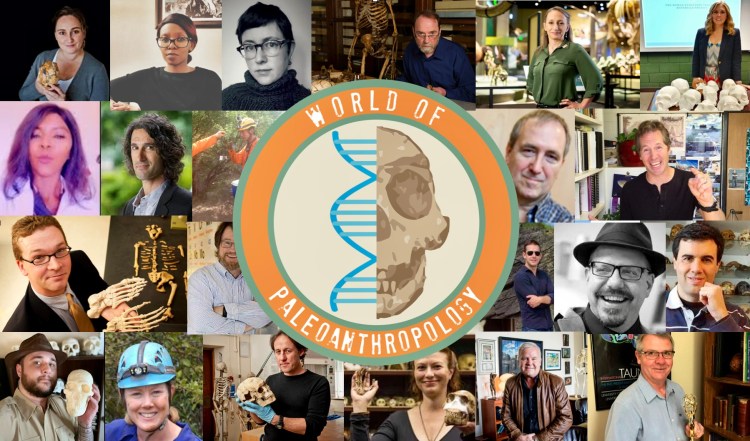
For much of Human history, including today in many areas and regions, there is a disconnect of sorts between the common person, and those in what we like to call the “Ivory Tower”, or the world of Academia. One is not better than the other, not by far, in fact, many think that the Ivory Tower is a group of stuck-up snobs who think they know better than everyone else. In many cases, both sides are correct. But it is when those in Academia, use their brain power, and what they learn and understand, to better humanity for the whole, and not just for themselves, or some sort of personal, or even financial gain. Those that are truly in it for the progression of the Human race as a species, set themselves apart from the rest of the pack. It is these individuals, who become what we deem “Science Communicators”, such as Professors, Teachers, Educators, Media Personalities (think Bill Nye, and Neil deGrasse Tyson, Carl Sagan, etc.). This paper is about the story of a science communicator, and their efforts in bringing a field of science, Paleoanthropology, one of the slowest fields to adapt to change in the STEM fields, and bring it to the modern world, to modern people, and not just to academics. Rather, to everyone who has an interest. By breaking down complex ideas and theories, we can help communicate specific ideas and thoughts to those anywhere, using the right tools and mindsets. SciComm (Science Communication) is one of the most effective ways to bring this knowledge out of the Ivory Tower, and down into the hands of the people, where it will be employed for the betterment (hopefully) of our species. Today, we will be discussing, as mentioned a particular field, and one project that is trying to bring SciComm to a whole new level. Today we will be discussing a project deemed “The World of Paleoanthropology” a science communication website, and a project that was founded, and run by myself, Seth Chagi, and has helped many people realize that yes, we (meaning all modern Humans (AMH)) share a common, and shared recent African origin. We are not different, there is no such standing for biological race, and so much more that is misunderstood and needs to be conveyed properly if our modern day societies are ever going to tackle some of our most prevalent problems, such as systemic racism, economic inequalities, negative stigmas that cause mistrust and seeds dissent within all ranks of our society. Using what we have learned about Human Evolution, our Origins, we can learn about not only our past, and where we are today, but about our future as well. It is crucial to communicate this future in terms that everyone can understand. But does it work? Will what I created have any lasting effect or presence once I am gone, or even just no longer operating it? We shall see in the following pages based on my observances from a non-biased, open point of view. Does the World of Paleoanthropology affectively communicate the complex ideas of human evolution to the public? Let us find out!
So to properly begin, I think it is important for us all to be on the same page, and that means understanding just exactly what Paleoanthropology is! Paleoanthropology is the study of Human Evolution or Human Origins. Now, what do I mean by that? Well, as some of you may know, we, being Homo sapiens, are Anatomically Modern Humans, but we are not the only “Humans” to ever walk this earth, not by a long shot, not even in the last 50,000 ka. (Years ago). There have been many species of “proto-human” named hominins taxonomically, to date (depending on whom you ask) there are twenty-five known species of hominin, with even more Hominids (which we will save for another paper). These creatures, while not all being ancestors of ours, are most surely cousins, just like we are cousins to the Great Apes of modern times, the Chimpanzees (Pan troglodytes), Bonobos (Pan paniscus), Gorillas and Orangutans of various species, as well as the Gibbon. All of these apes, share with us many common features, not only genetically, but in appearance, behavior and can reveal to us much about how our distant cousins and ancestors acted and how they survived to evolve unto us, or for the most part, to die out somewhere in the fossil record. Some of these hominins, we can determine are direct ancestors of our species, such as many of those in the Homo genus, H. habilis, H. erectus, etc A. afarensis, just to name a few. So to summarize, Paleoanthropology is the study of all of these creatures, their remains, whatever that may be, (genetic, fossil, or archaeological), and how they relate to us, modern-day humans, as well as dabbling into where we are headed as a species as well! Studying this science, this field, allows us to understand who we are, where we came from, and where we are going. It shows us who we are to each other, that we are not as different as was once believed. We are all Human.
Now that we have a general understanding of that, let us move on! Why is communicating this field, and the method in which we do it so critical? What is SciComm? Science Communication, it the challenging, but often very rewarding act of taking complex ideas, of a scientific nature, I.E the Theory of Gravity, or how a neutron star is formed, or, more about us in this situation, how Homo naledi evolved, and why it deposited (it is almost safe to say now, buried!) their dead deep in the caves of Rising Star! Biology and Evolution are by no means an easy set of topics to understand, and it does not help that they seem to change every other day as new and relevant discoveries poor in from the various fields that call Biology their home. Being able to explain these ideas, without delineating them, and taking out important aspects of their understanding is an important skill and talent for any researcher and scientist to have. And it is critical for educators to have, and to have access to said research, etc. through Open Access education. But again, that is for another paper. SciComm is how we learn about our world, how we fix our problems, and how we become informed about ourselves. How can we fix the problems that face us, those mentioned above, if we do not understand them, even from a basic level? By communicating those intense topics methodically in a way that anyone who wants can understand, and dare I say, find entertaining and even fun. Bill Nye, “The Science Guy” as my generation so fondly knows him, is one of the best examples of this, inspired by Carl Sagan, perhaps the greatest science communicator of modern times. And yet, despite these great individuals, this particular field has seemed to lack a champion of science communication. There have been many who have attempted to bring the field to light, and yet it was only this year that the majority of Americans have accepted Evolution as the origins of Man vs. creationism (ScientificDaily.com). This is of course a major step in the right direction, but there is much more work to do before we are even close to reaching the lofty goals of a well-educated and informed populous. SciComm, despite all the challenges that are faced, is the key to combatting these challenges, however.
So, one may be asking themselves at this point, how does a Science Communicator communicate science? What are the tools, and methods that are employed to help everyone, from children up to adults, learn about science, and in this case; Paleoanthropology. The number one thing that someone can keep in mind, according to the American Association of the Advancement of Science, is, “do not dumb the science down”. Often, scientists believe that they need to take an approach where they make things more simple for the “layperson” to understand. Everyone is capable of the same understanding and knowledge if given the right tools and education! Methods that can be employed, are making science fun, as Bill Nye is well known to do, Carl Sagan was known for making difficult information, such complex ideas, into easy to digest packages that never lost any of the detail that was involved. It has been shown by the National Institute of Biotechnology, that SciComm is an effective method of communicating science, and as we know, the more educated a population is, whomever they are, the better off they end up being, the more bright their future looks. Teaching SciComm is passing on the history of our species, all that we have discovered, learned, and created, to the next generation. It is one of the major things that makes us different from our non-human primate relatives. We can pass on information to our descendants, thousands of generations into the future. What we have discovered, and rediscovered throughout human history, is that Science, is a key to understanding the natural world around us, and without it, the world seems to be a much more bleak place.
“Have you ever sat, looked up at the stars and wondered, where did I come from?” (World of Paleoanthropology) This is often a question that many of us come to us at least one point in our lives, some of us spend our entire lives attempting to answer this question, not even just for themselves, but for our species together as a whole. Some people, rightly or wrongly, I will leave that up to you, the reader to decide, that evolution, and Human Origins are not something we need to spend time and resources worrying about. Rather we should spend time working on the problems we face today, and in the future. In the opinion of many STEM educators, is that we cannot combat the challenges that we face as a species today, without knowledge of the history of our people. Our people, as we are all one species, all with a recent African Origin, are not a mix and match of different animals, but cultures and societies. People need to know about our shared human origins, and we can share that using our tools and SciComm skills. We must support the continued use, and even the expansion of SciComm in our educational systems, and even in our everyday lives. So then, to answer the original question, what will the lasting effects of the World of Paleoanthropology be? Of course, I have no answer that I can give that is definite, but based on the ideas, opinions, and information shared with me from various Professors, and Researchers, famous Paleoanthropologists, and the like, this is something different, that has not been offered before. That the World of Paleoanthropology fills a niche gap that has been there since Anthropology became a study. The future, to me, for W.O.P.A as this project is known, is bright. People are interested, and the audience grows and grows, as more and more people become interested in learning about what makes us alike, versus what makes us different. It is time for people to come together, and to stop tearing each other apart. We can only do this once we understand who we are and where we came from, using the tools that SciComm provides, and the knowledge and information of those involved with W.O.P.A, we are effectively educating people all over the world in a way that will be remembered for years to come. It is our hope, and our goal to educate people in such a way that things are fun and memorable, easy to understand, but full of information. To that end, I think we have succeeded.
A new, and exciting announcement coming from Dr. Ellie McNutt and Dr. Jeremy DeSilva et al found in Nature! The following is taken from Prof. DeSilva’s Twitter and explains the findings quite well!
Today, Dr. Ellie McNutt & a large team announced in @nature the discovery of 3.66-million-year-old footprints at Laetoli, Tanzania. These tracks are different from the famous site G trail–evidence of a 2nd species of bipedal hominin at Laetoli!
Footprints at Laetoli were discovered by Mary Leakey’s team in 1976 after Kay Behrensmeyer, Andrew Hill, and others famously had an elephant dung fight. Ultimately 18,400 footprints were documented at site A from different mammals, birds, insects. Image by K. Behrensmeyer.
In September of 1976, Philip Leakey and Peter Jones found 5 consecutive tracks made by a bipedal mammal at site A. Mary Leakey and Dick Hay proposed in the pages of @nature that they were made by a hominin with a “somewhat shambling” gait. Image by J. Reader.
But, the footprints were strangely shaped and, if from a hominin, were from one that was crossing the left foot over the right while walking, like a model on a runway.
In 1978, the famous trackway at site G was discovered by Paul Abell and Ndibo Mbuika. These footprints were clearly hominin. Photo by John Reader
So, what were the strange site A prints? Some wondered if they might have been made by a bipedal bear. Prof. Russ Tuttle found that the trackway and footprints showed some affinities with bears. Dismissed as non-hominin, the site A prints fell into obscurity.
BUT… Tuttle also wrote, “until detailed, naturalistic biometric and kinesiological studies are performed on bipedal bears and barefoot humans, we will have to defer choosing among the hominid and ursid hypotheses on Laetoli individual A.”
And the site A prints were never fully excavated. Tim White and Gen Suwa wrote, “reliable identification of these enigmatic prints at Laetoli site A will be impossible until they are more fully cleaned and followed laterally.”
Up here in the woods of @Dartmouth, we have a lot of bears. Dr. McNutt worked with Dr. Ben Kilham—a black bear expert—and collected footprint data on black bears whose feet were about the same size as the footprint maker at Laetoli site A.
Up here in the woods of @Dartmouth, we have a lot of bears. Dr. McNutt worked with Dr. Ben Kilham—a black bear expert—and collected footprint data on black bears whose feet were about the same size as the footprint maker at Laetoli site A.
Bear heels are narrow, they have fan-shaped toes, and they sometimes leave claw marks. The Laetoli site A prints preserve none of those features.
Plus, bears cannot balance on a single leg easily and wobble back and forth when they walk bipedally, leaving widely spaced prints. Chimpanzees do this, too.
In fact, the easiest way to produce a trackway with one foot directly in front of the other is to have an abductor mechanism and/or valgus knees. These are key characteristics of hominins and hinted to us that the site A prints were not from a bear.
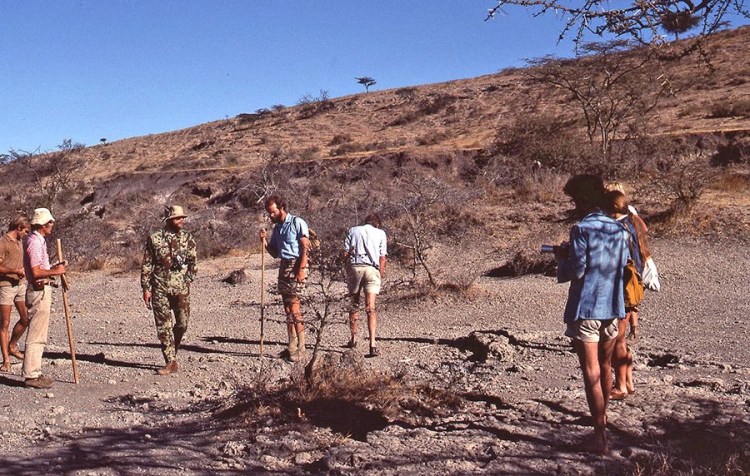
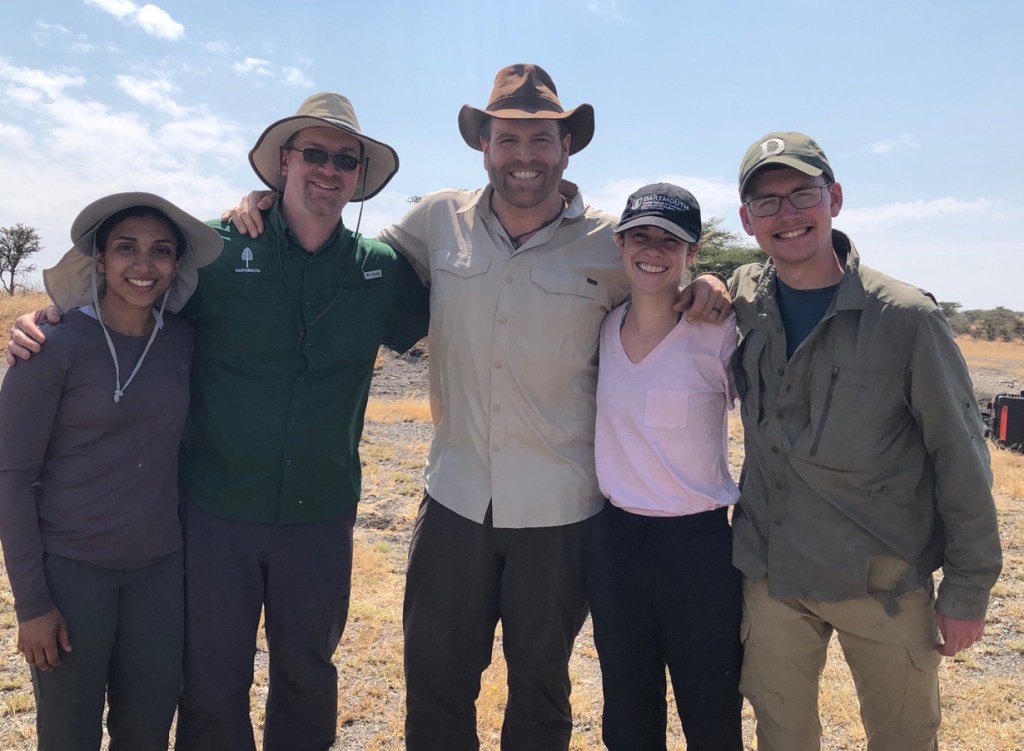
In June 2019, Prof. Charles Musiba @CUDenver led a team to Laetoli to, in part, search for these prints. It is not easy to get to the outcrops.
We were even joined by Joshua Gates from @ExpeditionUNK for a day.
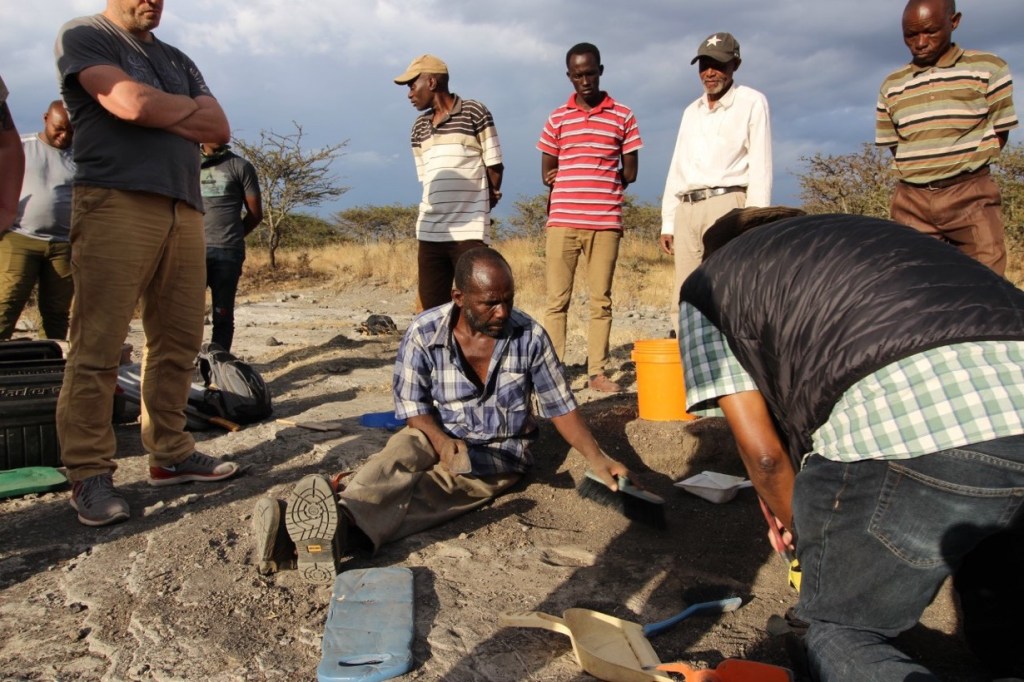
We used Mary Leakey’s maps to measure to the exact spot where the A prints should be (if still preserved), and luckily found the juvenile elephant prints that ran parallel to the bipedal trackway, before Kallisti Fabian uncovered the first print.
Seasonal rains had not washed the prints away. It had pulled enough sediment on top of them to preserve them for forty years. We brushed them clear of matrix, uncovering details that were still obscured in 1977.
The team found the original 5 prints and excavated back into the hillside but could not find any more prints, unfortunately. We plan to return to search for more. Image by Shirley Rubin.
We laser scanned the trackway and took enough photos to do photogrammetry. These were tools unavailable to researchers in the 1970s.
Kevin Hatala worked his magic and showed that the shape of the site A footprints are as different from the prints at sites G and S as a chimpanzee footprint is from a human’s.
And then there is just the eyeball test.
There is growing evidence that multiple hominin species coexisted during the Pliocene of Eastern Africa. The Burtele foot from Woranso-Mille, Ethiopia demonstrates that different kinds of hominins were walking differently from one another at this time, too.
Not only were different hominins coexisting—some of them shared the same landscape. The Laetoli footprint tuff captures a snapshot in time. As the site A hominin was walking north, a group of A. afarensis—2km to the west—were trudging that way, too.
Skeptical of our interpretation? That’s ok. Science is not about belief—we welcome other teams to assess our findings and attempt to replicate our results. That can only happen if fossils/footprints are available for study.
To that end, you can find high-resolution 3d scans of the footprints on morphosource.org. They are great for teaching, too! @Evo_Explorer @WrldOfPaleoAnth
One question that remains for me is what hominin made the site A prints? In our paleoanthropological Cinderella story, what foot will fit the proverbial slipper? There are secrets still hiding in the ancient ash at Laetoli.
Hello and welcome to not only the next episode of our previously known “interview series”, and welcome to the full blown show, “The Story of Us!” This is the first episode to bear such a name and we are so excited to be bringing this to you!
We have some great guests on this time, Gabriel and Ryan, and they have some awesome stuff to share with us! This episode is a little different than our usual, and I really hope you all enjoy it, and learn a great deal from it! I know I did!
Watch to learn all about Pio-Pleistocene hominin reconstructions. Mainly dealing with the cranial features, at least for now; Ryan and his partner Gabriel are testing and developing a new way to create reconstructions of all, and any hominin based on features that we all share as apes. Using modern humans and non human primates, along with the fossil record, they try to show the world what these long dead creatures may have looked like.
Check it out!
If you like what you see, please like, share, and subscribe! We would also love to hear any questions that you have (leave them in the comments below!) and would love to hear what you think!
Until next time!
Thanks!
Seth Chagi
Project Director
World of Paleoanthropology
P.S I misspoke at the part where I said it was the anniversary of the discovery of the Lucy skeleton! It was actually the anniversary of the publication of the Origin of Species by Charles Darwin! Ooops!
In the hopes of creating more conversation, and community with our readers/viewers, I would like to introduce you to our brand-new Discord Channel!
Please come on by, I will admit I am not too familiar with Discord, but we can all learn along together! But I am sure we can have some amazing, and interesting discussions, and all learn together! For we all have different things to teach from our amazing, and varied experiences, for is that not what makes us human?
Well! Here we are again, finally! I am so glad to welcome you to our next Morphology video, the next episode in our show The Story of Us, and I hope you enjoy your time and learn a great deal! If you do, let other people know about us! We post new content, and keep up on the news all of the time!
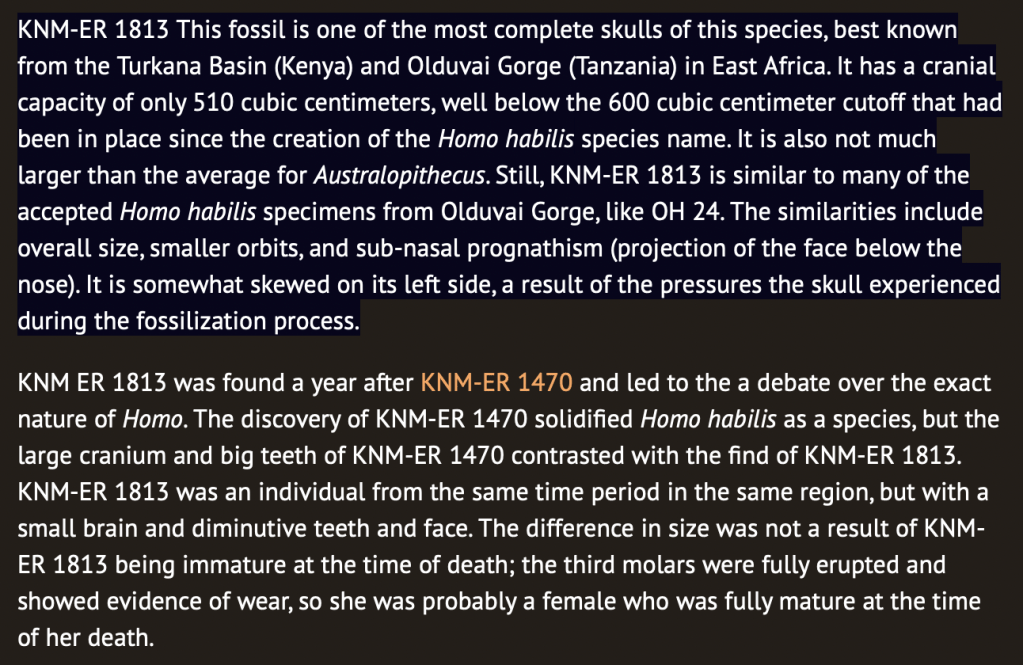
On this episode, we explore the fossil KNM-ER 1813, one of, if not the best and most well known Homo habilis cranium. The following is a brief description provided by the Human Origins Institute:
Read what esteemed Paleoanthropologist John Hawks has to say not he matter, and especially in relation to another species that we did not discuss today, A. sediba that actually just made headlines last week with the announcement of the first near complete lower spine of a hominin found! You can read all about that in our “News” section, so be sure to check that too! Catch his blog post here: https://johnhawks.net/weblog/fossils/habilis/er/er-1813-africanus-malapa-2010.html!
I would like to remind everyone that this is but an introductory video/ post to this species, there is of course so much more to learn and discover about this species, that even the experts in the field are not sure about yet! Please, do your own research, allow this only to be one of many tools in your kit, as you learn about Human Origins, and the roots of our shared humanity! We will be going more in depth about this species, and this particular specimen at a later time. But for now, I hope that this will suffice as a good introduction to habilis, and that you have indeed learned something from my efforts!
If you have a spare moment, please be so kind as to comment, like, share and most importantly SUBSCRIBE to stay up to date with all of our major going ons! We produce content regularly, and the more interest/ help we get, the more we are able to do it! So please, show your support! There are many ways to do so!
Thank you, and I look forward to seeing you next time!


















 World of Paleoanthropology